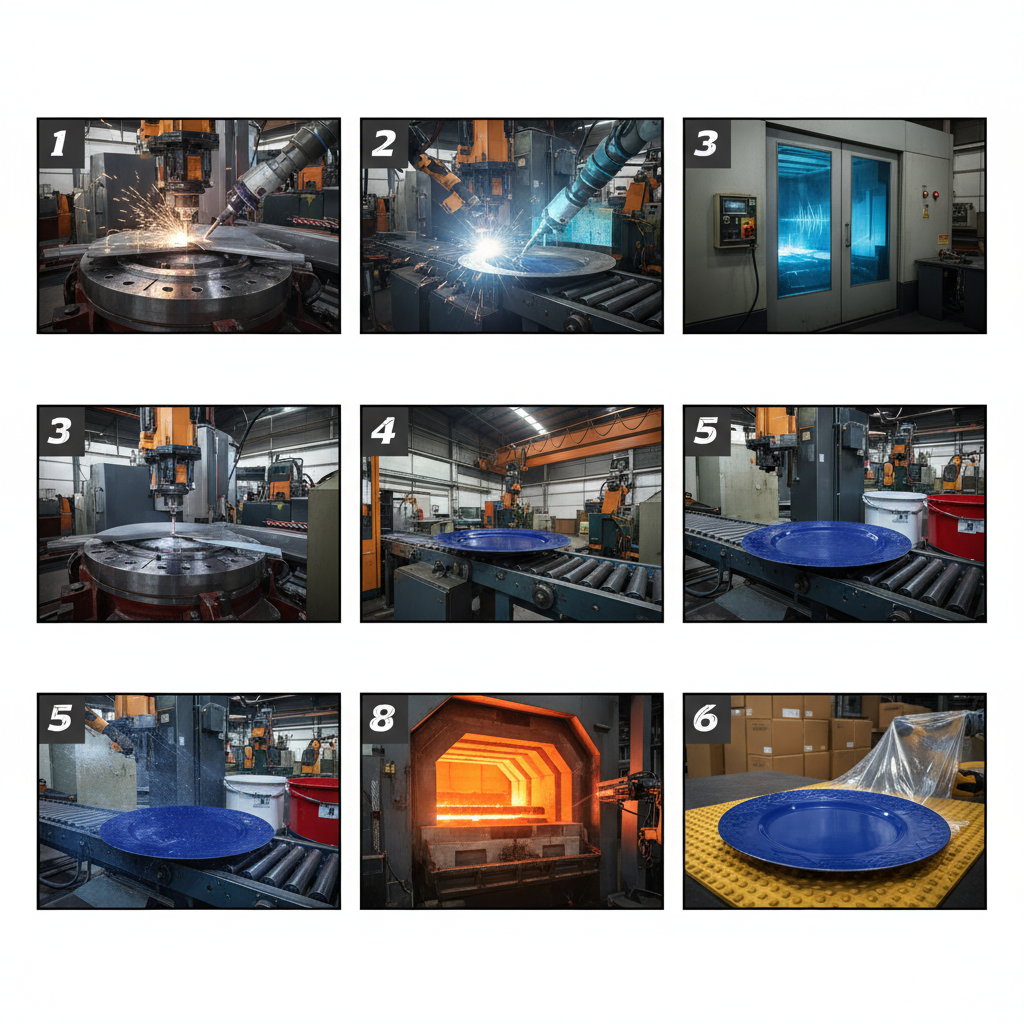
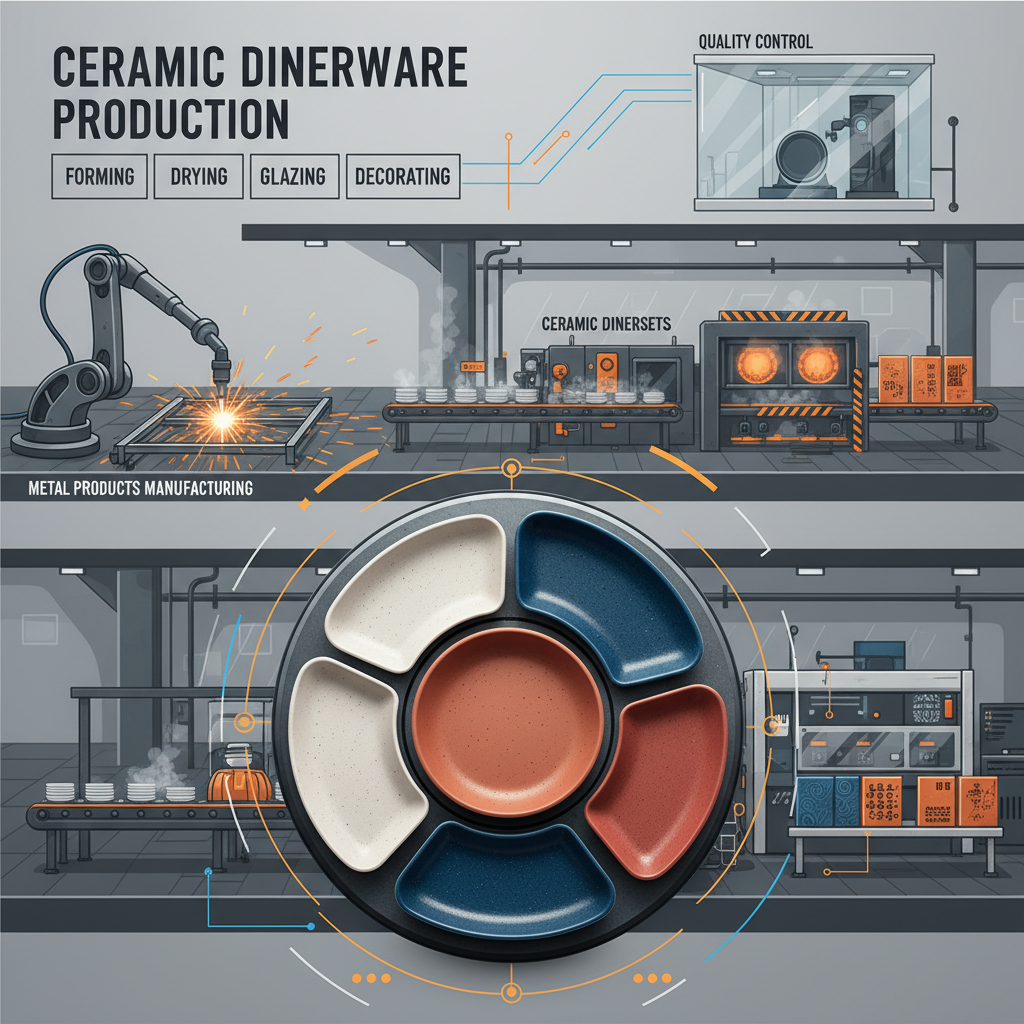
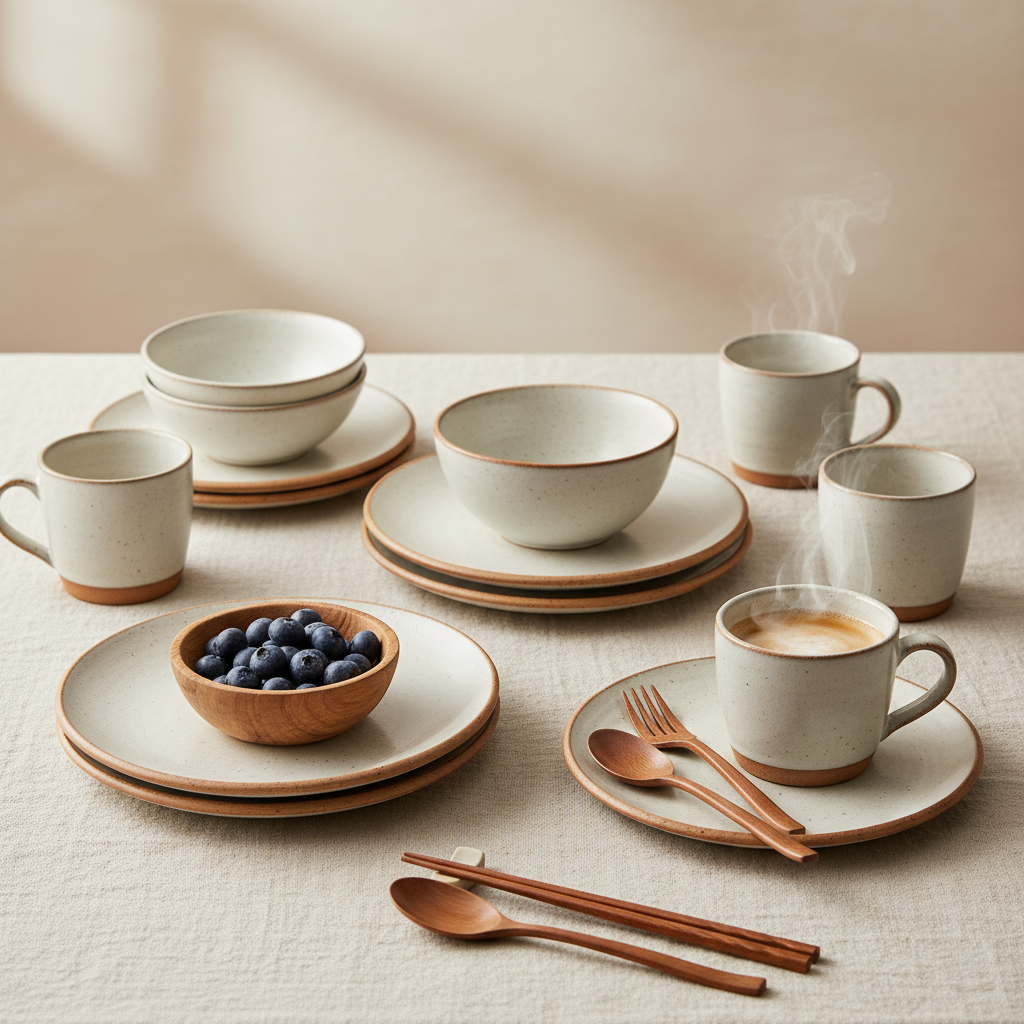
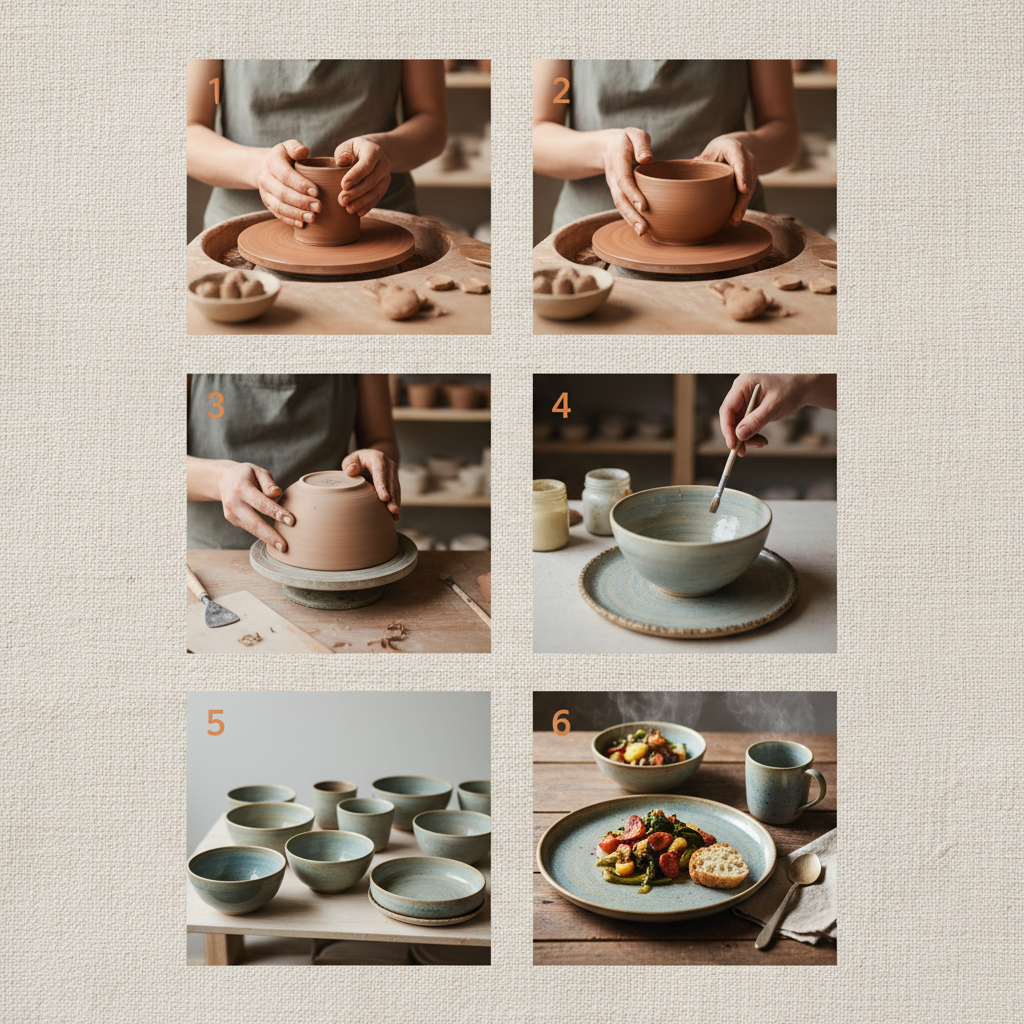
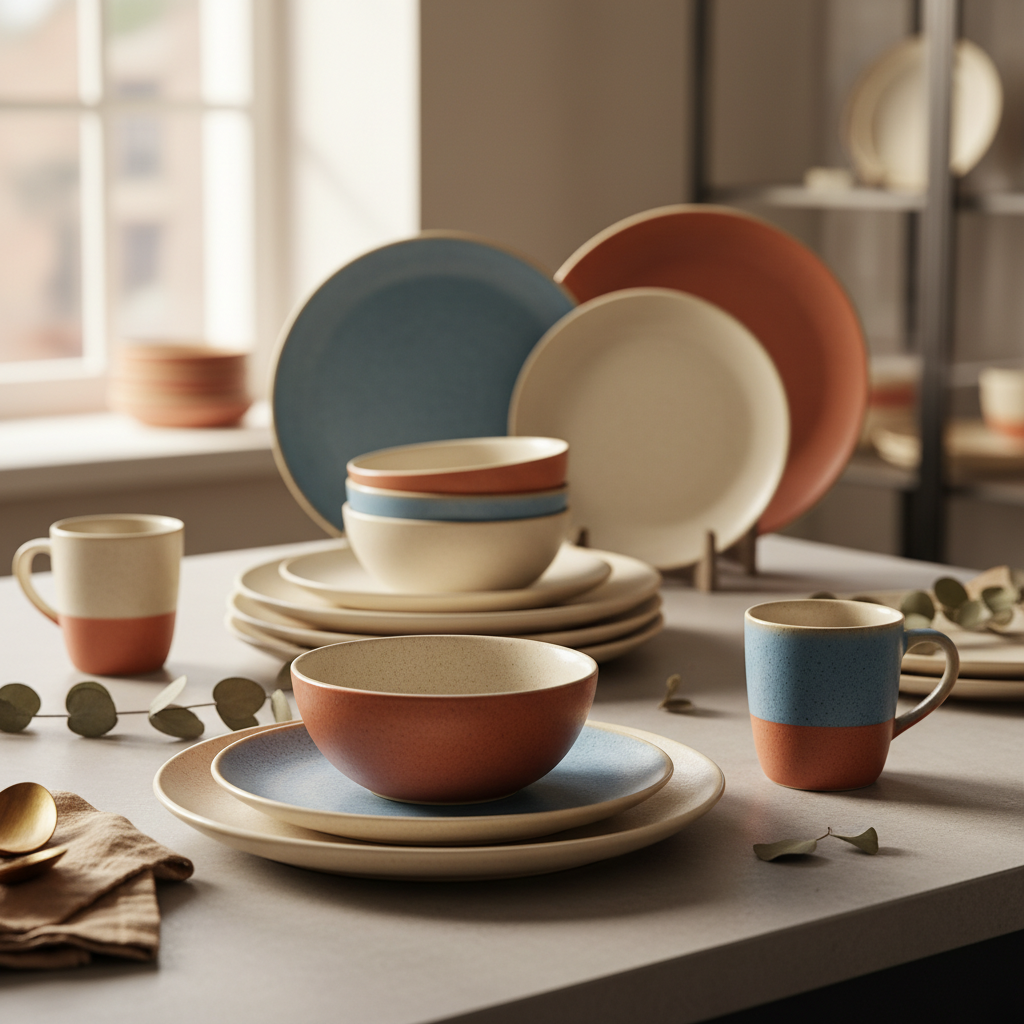
The culinary world has seen a significant resurgence in the appreciation of artisanal tableware, where pottery dinner plates stand as a bridge between ancient craftsmanship and modern dining aesthetics. Unlike mass-produced plastic or standard porcelain, pottery offers a tactile, organic quality that enhances the sensory experience of a meal, making every dinner an occasion of art and culture.
Globally, the shift toward sustainable living and "slow food" has propelled the demand for earth-based ceramics. From high-end restaurants in Paris to cozy home kitchens in Tokyo, the use of these plates reflects a desire for authenticity and a connection to the natural materials of the earth, prioritizing longevity over disposable convenience.
Understanding the nuances of pottery—from the firing temperature to the glazing process—allows consumers and businesses to make informed choices. By integrating these pieces into a dining set, one not only invests in durable kitchenware but also supports a legacy of manufacturing that values human skill and geological heritage.
The Global Significance of Pottery Dinner Plates
The global market for ceramics has evolved from purely functional vessels to sophisticated design elements. According to industry trends aligned with ISO quality standards, the shift toward non-toxic, lead-free glazes in pottery dinner plates has made them a primary choice for health-conscious consumers worldwide. This movement is driven by a rejection of synthetic materials in favor of natural clay and mineral-based finishes.
However, the industry faces the challenge of balancing artisanal beauty with industrial scalability. While hand-thrown pieces are prized, the global demand requires precision manufacturing that maintains the "human touch" while ensuring that every plate is microwave and dishwasher safe, bridging the gap between traditional art and modern convenience.
Defining Pottery in Modern Tableware
In simple terms, pottery dinner plates are crafted from natural clay that is shaped and then hardened by heat in a kiln. Unlike bone china, which uses bone ash for translucency, pottery is generally more opaque and possesses a denser, more substantial feel. This characteristic makes it exceptionally grounded and visually warm, fitting perfectly into rustic, bohemian, or minimalist interior designs.
From a manufacturing perspective, pottery connects the raw geological resources of the earth to the humanitarian need for safe, sustainable food service. By utilizing local clays and traditional firing methods, manufacturers can reduce the carbon footprint associated with transporting exotic raw materials, aligning the production of dinnerware with ecological preservation.
In the context of modern industry, these plates are no longer just "dishes" but are viewed as functional art. The integration of embossed textures and glazed finishes allows for a level of customization that transforms a simple meal into a curated experience, meeting the emotional needs of consumers who seek comfort and stability in their home environments.
Core Components of High-Quality Pottery
Durability is the cornerstone of premium pottery dinner plates. The strength of a plate is determined by the vitrification process—where the clay particles fuse together during high-temperature firing—reducing porosity and preventing the plate from absorbing liquids or odors from food.
Thermal shock resistance is another critical factor. High-quality pottery is engineered to withstand rapid temperature changes, such as moving a plate from a warm oven to a cool countertop, without cracking. This is achieved through precise mineral blending and controlled cooling cycles in the kiln.
Finally, the glaze composition ensures both safety and aesthetics. A professional-grade glaze creates a non-reactive barrier that protects the clay body and provides a smooth, easy-to-clean surface. Whether it is a matte finish for a contemporary look or a high-gloss glaze for elegance, the chemical stability of the glaze is paramount for food safety.
Practical Performance Metrics
When evaluating the utility of different ceramic styles, we look at specific performance indicators such as chip resistance, heat retention, and surface hardness. These metrics determine how a piece of dinnerware will fare in a high-volume commercial kitchen versus a residential setting.
For instance, stoneware-based pottery is often preferred for its superior hardness, while earthenware is valued for its artistic versatility. Below is a comparative analysis of different pottery dinner plate methods and their performance ratings.
Performance Ratings of Pottery Dinner Plates by Method
Global Applications and Use Cases
In the commercial hospitality sector, pottery dinner plates are used to create "themed" dining experiences. For example, farm-to-table restaurants in North America often utilize matte-finished, organic-shaped pottery to emphasize the freshness and raw nature of their ingredients, enhancing the guest's psychological connection to the food.
Beyond luxury dining, these ceramic solutions are applied in community-based projects in Southeast Asia and Africa, where local pottery cooperatives provide sustainable dinnerware for regional markets. This not only supports local economies but also provides households with a durable alternative to plastic, significantly reducing environmental pollution in remote industrial zones.
Long-Term Value and Sustainability
The investment in high-quality pottery pays off through an extended product lifecycle. Unlike synthetic materials that degrade or leach chemicals over time, a well-fired ceramic plate can last for decades. This reliability reduces the need for frequent replacements, offering a logical financial advantage for both homeowners and large-scale catering businesses.
From an emotional perspective, pottery provides a sense of dignity and timelessness. The weight and texture of a ceramic plate evoke a feeling of stability and trust. In a world of fast-paced consumption, owning a set of plates that feel permanent and crafted is a form of mental wellness, anchoring the dining experience in tradition and quality.
Furthermore, the sustainability angle is undeniable. Since pottery is made from earth-derived minerals, it is inherently more biodegradable (in its raw state) and recyclable than plastic or melamine. By choosing pottery, consumers participate in a circular economy that respects the earth's limits while maintaining a high standard of living.
Future Trends in Ceramic Innovation
The future of pottery dinner plates lies in the intersection of material science and digital manufacturing. We are seeing the rise of 3D-printed ceramics, which allow for complex geometric shapes that were previously impossible to achieve with a potter's wheel. This digital transformation enables hyper-customization for luxury brands and architects.
Sustainability policies are also driving the adoption of "green kilns" powered by hydrogen or electricity instead of natural gas. This shift toward carbon-neutral firing processes ensures that the production of dinnerware does not come at the cost of the planet, making the entire supply chain from clay pit to dining table eco-friendly.
Additionally, the integration of antimicrobial glazes—using silver ions or other safe mineral additives—is becoming a trend in medical and high-hygiene dining environments. This ensures that the beauty of pottery is matched by cutting-edge safety standards, protecting users from cross-contamination in public eating spaces.
Analysis of Material Innovations in Modern Pottery
| Material Type |
Innovation Tech |
Durability Score |
Eco-Impact |
| Advanced Stoneware |
Nano-Glazing |
9.5 |
Low Carbon |
| Recycled Clay Mix |
Circular Sourcing |
7.0 |
Very Low |
| 3D Printed Ceramic |
Additive Mfg |
8.0 |
Medium |
| Bone-Free Porcelain |
Synthetic Alumina |
9.0 |
Low |
| Bio-Polymer Hybrid |
Organic Binding |
6.5 |
Zero Waste |
| High-Fire Terra |
Rapid Cooling |
7.5 |
Low |
FAQS
Most modern pottery dinner plates are designed for convenience. However, safety depends on the firing temperature and the glaze. High-fire stoneware is typically microwave and dishwasher safe. Always check for a "microwave safe" label to ensure the plate doesn't overheat or crack due to moisture trapped in a porous clay body.
The primary difference is translucency and density. Porcelain is more refined, white, and often translucent when held to light. Pottery is more opaque, usually has a heavier feel, and often showcases natural color variations in the clay, giving it a more organic and rustic appearance compared to the pristine look of porcelain.
Pricing is driven by the quality of raw materials, the complexity of the glazing process, and the labor involved. Hand-thrown pieces require skilled artisans, while specialized high-temperature kilns used for professional-grade durability increase production costs. Unique artistic designs and non-toxic, premium glazes also add to the overall value.
Only if they are made with low-quality, lead-based glazes. Reputable manufacturers follow strict safety standards (like FDA or ISO) to ensure glazes are lead-free and cadmium-free. When purchasing, always ensure the product is certified food-safe to guarantee that no harmful chemicals migrate from the plate to your meal.
To extend the life of your plates, avoid stacking them directly without protection; use felt or paper dividers. Avoid using metal cutlery aggressively on matte finishes, as this can cause "metal marking." Finally, avoid extreme temperature shocks, such as placing a frozen plate directly into a hot oven.
Yes, significantly. Pottery is made from natural earth minerals and is far more durable than plastic, reducing the frequency of waste. Unlike plastics, they do not release microplastics into the environment or the food. When properly managed, the production process can be highly sustainable, especially with the shift toward green energy kilns.
Conclusion
In summary, pottery dinner plates represent a perfect harmony of utility, art, and sustainability. By focusing on key factors such as vitrification, non-toxic glazing, and thermal resistance, these pieces offer a long-term value that exceeds the temporary appeal of mass-produced alternatives. From their application in high-end gastronomy to their role in promoting eco-friendly living, pottery remains an essential element of a conscious and aesthetic lifestyle.
Looking forward, the integration of 3D printing and green energy in ceramic production will only further enhance the appeal of pottery. We encourage consumers and business owners to embrace the tactile beauty and reliability of ceramics to elevate their dining experiences. For those seeking the highest quality in artisanal and industrial dinnerware, we invite you to explore our curated collections. Visit our website: www.maixin-kitchenware.com