Ceramic tableware wholesale is a crucial component of the global hospitality and retail industries, facilitating the provision of durable and aesthetically pleasing dining solutions to businesses of all sizes. The demand for ceramic tableware is driven by factors such as population growth, increasing disposable incomes, and evolving consumer preferences towards dining experiences. Understanding the intricacies of ceramic tableware wholesale – from sourcing and manufacturing to logistics and quality control – is essential for businesses seeking to optimize their supply chains and offer competitive pricing.
The industry is experiencing a shift towards sustainable and ethically sourced materials, coupled with a growing emphasis on design and customization. Wholesale suppliers are adapting to these trends by offering a wider range of eco-friendly options, personalized branding services, and streamlined ordering processes. Successfully navigating this landscape requires a keen awareness of market dynamics, technological advancements, and evolving customer expectations.
Ultimately, a robust and efficient ceramic tableware wholesale sector underpins the smooth operation of restaurants, hotels, catering companies, and numerous retail outlets worldwide, contributing significantly to the global economy and enhancing the overall dining experience for millions.
The Global Significance of Ceramic Tableware Wholesale
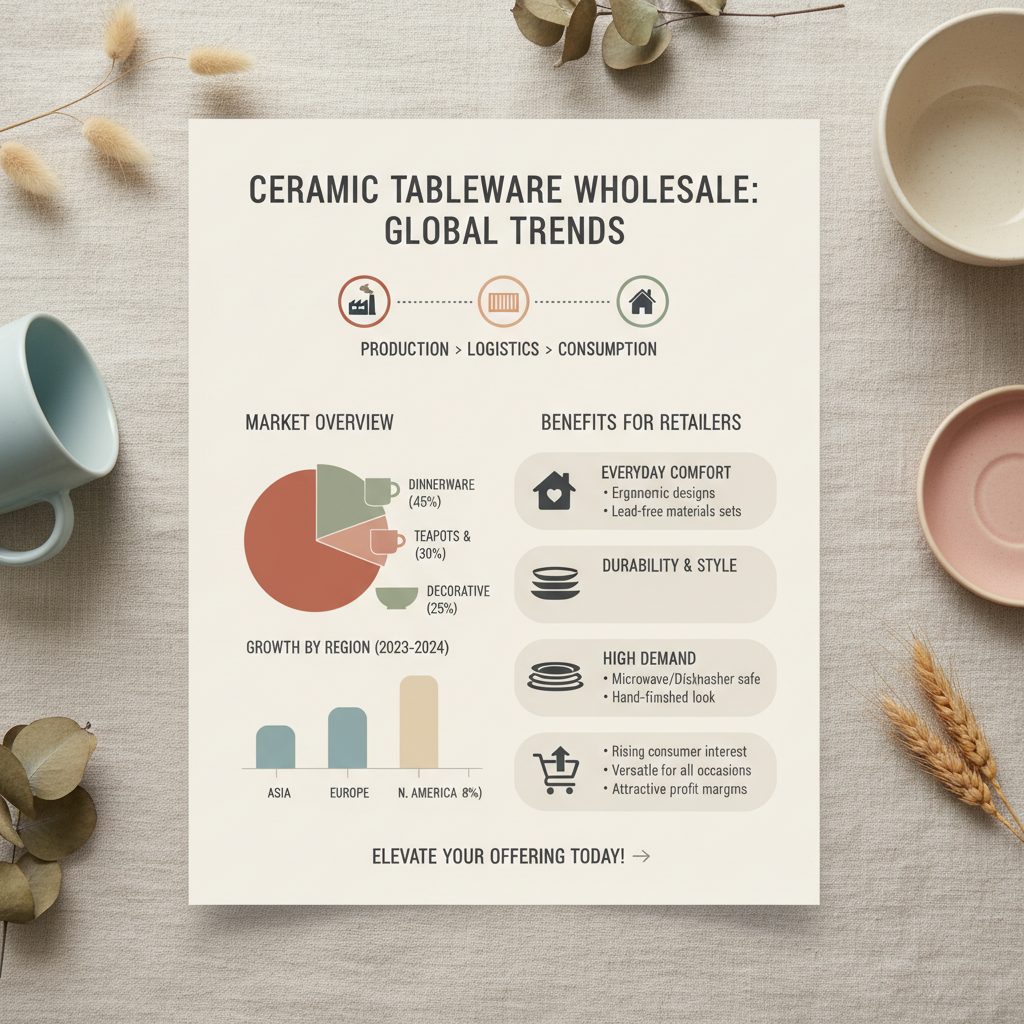
The ceramic tableware wholesale market is a multi-billion dollar industry, impacting numerous sectors globally. According to UN Comtrade data, international trade in ceramic tableware consistently exceeds $20 billion annually, indicating a sustained demand. The ISO standards for ceramic materials and manufacturing processes demonstrate the industry's commitment to quality and safety. This global network supplies restaurants, hotels, and retailers worldwide, enabling them to deliver consistent dining experiences.
A significant challenge within the industry is maintaining consistent quality control across geographically diverse manufacturing locations. Fluctuations in raw material costs and logistical complexities further contribute to potential disruptions. Efficient ceramic tableware wholesale strategies are crucial for mitigating these risks and ensuring reliable supply chains, particularly for businesses operating on a global scale.
Defining Ceramic Tableware Wholesale
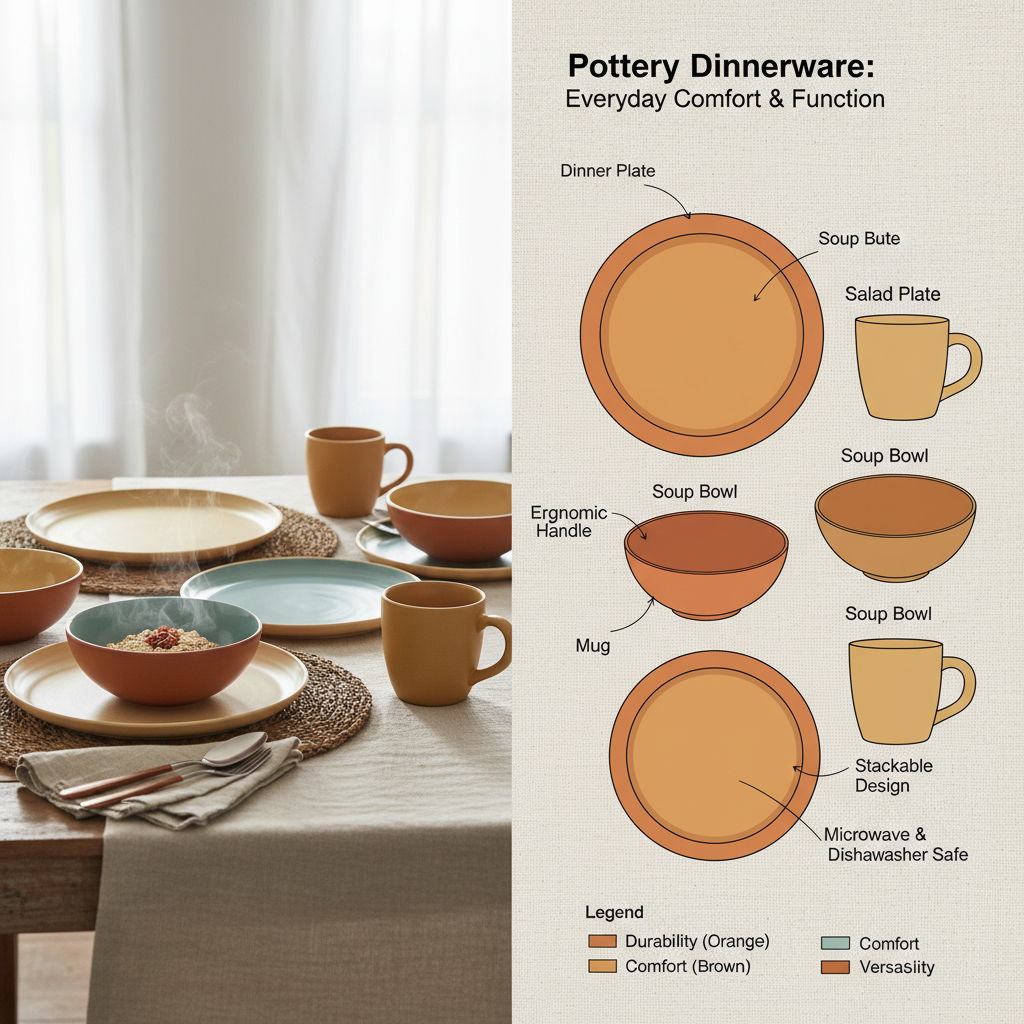
Ceramic tableware wholesale refers to the sale of ceramic plates, bowls, cups, mugs, and other dining essentials in bulk quantities directly to businesses, rather than individual consumers. Wholesale suppliers typically source products from manufacturers, often located in regions with abundant clay resources and skilled labor, such as China, India, and Vietnam. These suppliers then distribute the tableware to restaurants, hotels, catering companies, event planners, and retail stores.
This model differs significantly from retail sales, emphasizing volume discounts, customized orders, and long-term business relationships. The purpose of ceramic tableware wholesale serves both economic and practical needs. It streamlines the procurement process for businesses, enabling them to acquire necessary supplies efficiently and cost-effectively.
Furthermore, it supports the broader manufacturing sector by creating a stable demand for ceramic products, contributing to economic growth and job creation. Successful wholesale operations often prioritize supply chain optimization, quality assurance, and responsive customer service.
Key Factors in Ceramic Tableware Wholesale
Several key factors influence the success of ceramic tableware wholesale operations. Durability is paramount, as businesses require tableware that can withstand repeated use and industrial washing. High-quality ceramic materials, such as porcelain and stoneware, are essential for ensuring longevity and reducing replacement costs.
Scalability is also critical. Wholesale suppliers must be able to accommodate varying order sizes and adapt to fluctuating demand. This requires robust inventory management systems, efficient logistics, and strong relationships with manufacturers capable of scaling production quickly. Offering a diverse product range is another important factor.
Cost Efficiency directly impacts profitability for both the supplier and the buyer. Negotiating favorable pricing with manufacturers, optimizing transportation costs, and minimizing waste are crucial for maintaining competitive prices. Finally, Design Versatility is increasingly important. Customers are seeking tableware that reflects their brand identity and enhances the dining experience, necessitating a wide range of styles, colors, and customization options.
Applications Across Industries
The applications of ceramic tableware wholesale are widespread and diverse. The hospitality industry, including hotels and restaurants, represents a significant consumer base, requiring large volumes of durable and aesthetically pleasing tableware. Catering companies rely heavily on wholesale suppliers to equip events of all sizes, from small gatherings to large-scale weddings.
Retail stores, including department stores and kitchenware boutiques, purchase ceramic tableware wholesale to stock their shelves and offer customers a variety of options. Additionally, the tourism sector, including resorts and cruise lines, also constitutes a key market. In remote industrial zones, ceramic tableware wholesale provides essential dining solutions for worker accommodation facilities and company cafeterias.
Ceramic Tableware Wholesale Demand by Sector
Advantages and Long-Term Value
Choosing ceramic tableware wholesale offers a range of tangible benefits. Significant cost savings are achieved through bulk purchasing and direct sourcing from manufacturers. Furthermore, the durability of ceramic materials translates to reduced replacement rates, minimizing long-term expenses. The consistent quality ensures a professional presentation, enhancing the dining experience for customers.
Beyond the financial advantages, ceramic tableware wholesale promotes sustainability by supporting durable products designed for repeated use. Ethically sourced ceramic tableware can also contribute to responsible consumption. These elements build trust with customers and enhance brand reputation, fostering long-term loyalty.
Future Trends in Ceramic Tableware Wholesale
The ceramic tableware wholesale industry is poised for continued innovation. A growing trend is the adoption of smart manufacturing technologies, such as 3D printing, to create customized designs and reduce production lead times. Increased emphasis on eco-friendly materials, including recycled ceramics and bio-based glazes, reflects a commitment to sustainability.
Digital transformation is also playing a key role, with wholesalers increasingly utilizing e-commerce platforms, data analytics, and automated inventory management systems to streamline operations and improve customer service. The demand for unique and artisanal tableware is expected to rise, driving demand for smaller, specialized wholesale suppliers offering handcrafted products.
Challenges and Solutions in Wholesale Supply
One major challenge facing ceramic tableware wholesale is maintaining consistent quality control across diverse global supply chains. This can be addressed through rigorous supplier vetting processes, independent quality inspections, and the implementation of standardized testing protocols. Another obstacle is managing fluctuating raw material costs.
Building strong relationships with multiple suppliers and negotiating long-term contracts can mitigate price volatility. Logistical complexities, such as shipping delays and customs regulations, can be overcome by utilizing experienced freight forwarders and optimizing supply chain routes.
Finally, ensuring ethical sourcing practices and responsible manufacturing is crucial. Transparency in the supply chain, adherence to fair labor standards, and commitment to environmental sustainability are essential for building a reputable and resilient wholesale business.
Summary of Challenges and Solutions in Ceramic Tableware Wholesale
| Challenge |
Impact Area |
Solution |
Implementation Difficulty (1-10) |
| Quality Control Variability |
Product Reputation, Customer Satisfaction |
Rigorous Supplier Audits & Testing |
7 |
| Raw Material Price Fluctuations |
Profit Margins, Pricing Stability |
Long-Term Contracts & Diversified Sourcing |
6 |
| Logistical Delays & Costs |
Delivery Times, Operational Efficiency |
Optimized Routes & Freight Forwarders |
5 |
| Ethical Sourcing Concerns |
Brand Reputation, Consumer Trust |
Supply Chain Transparency & Auditing |
8 |
| Competition from Low-Cost Producers |
Market Share, Pricing Pressure |
Differentiation through Quality & Service |
7 |
| Changing Consumer Preferences |
Product Relevance, Sales Volume |
Innovation & Adaptable Product Lines |
6 |
FAQS
Minimum order quantities (MOQs) vary significantly between suppliers, but generally range from 500 to 1000 pieces per item. Some suppliers may offer lower MOQs for standard designs, while customized orders usually require higher volumes. Negotiating MOQs is often possible, particularly for established customers with a strong order history. Understanding a supplier's MOQ policies is crucial for budgeting and inventory planning.
Lead times for ceramic tableware wholesale orders vary based on factors like product availability, customization requirements, and shipping distance. Standard in-stock items typically ship within 1-2 weeks. Customized orders can take 4-8 weeks, or even longer for complex designs. Shipping times depend on the chosen method (sea, air, or land) and the destination country. Always confirm lead times with your supplier before placing an order.
Key quality certifications to look for include ISO 9001 (Quality Management System), ISO 1345 (Food Contact Safety) and FDA compliance (for US markets). These certifications demonstrate a supplier’s commitment to maintaining high standards of quality control and ensuring product safety. Additionally, inquire about the materials used, manufacturing processes, and any independent testing conducted.
Most ceramic tableware wholesale suppliers offer customization options, including logo printing, custom glaze colors, and unique designs. The level of customization available varies between suppliers. Expect to pay a premium for custom orders, and be prepared to provide detailed specifications and artwork. Confirm the minimum order quantity and setup fees for customization before proceeding.
Common payment terms include Telegraphic Transfer (TT), Letter of Credit (LC), and increasingly, online payment platforms like Alibaba Trade Assurance. Suppliers often require a deposit (typically 30-50%) upfront, with the balance payable upon shipment or delivery. Negotiating favorable payment terms is possible, particularly for long-term relationships.
Ensure your supplier uses sturdy packaging materials, such as corrugated cardboard boxes, bubble wrap, and protective foam inserts. Request detailed photos of the packaging process before shipment. Consider purchasing shipping insurance to cover potential damage during transit. Select a reliable freight forwarder with experience handling fragile goods.
Conclusion
In conclusion, ceramic tableware wholesale is a vital global industry, facilitating the provision of essential dining solutions to a wide range of businesses. Understanding the key factors – durability, scalability, cost efficiency, and design versatility – is critical for success. The industry is evolving rapidly, driven by trends such as sustainability, digital transformation, and customized designs. By embracing these advancements and proactively addressing challenges, businesses can unlock significant opportunities within the ceramic tableware wholesale market.
Looking ahead, a focus on ethical sourcing, transparent supply chains, and responsive customer service will be paramount. We encourage businesses to explore partnerships with reputable wholesale suppliers like ceramic tableware wholesale to ensure high-quality products, competitive pricing, and reliable supply. Investing in long-term relationships and staying abreast of industry trends will be essential for sustained growth and success.