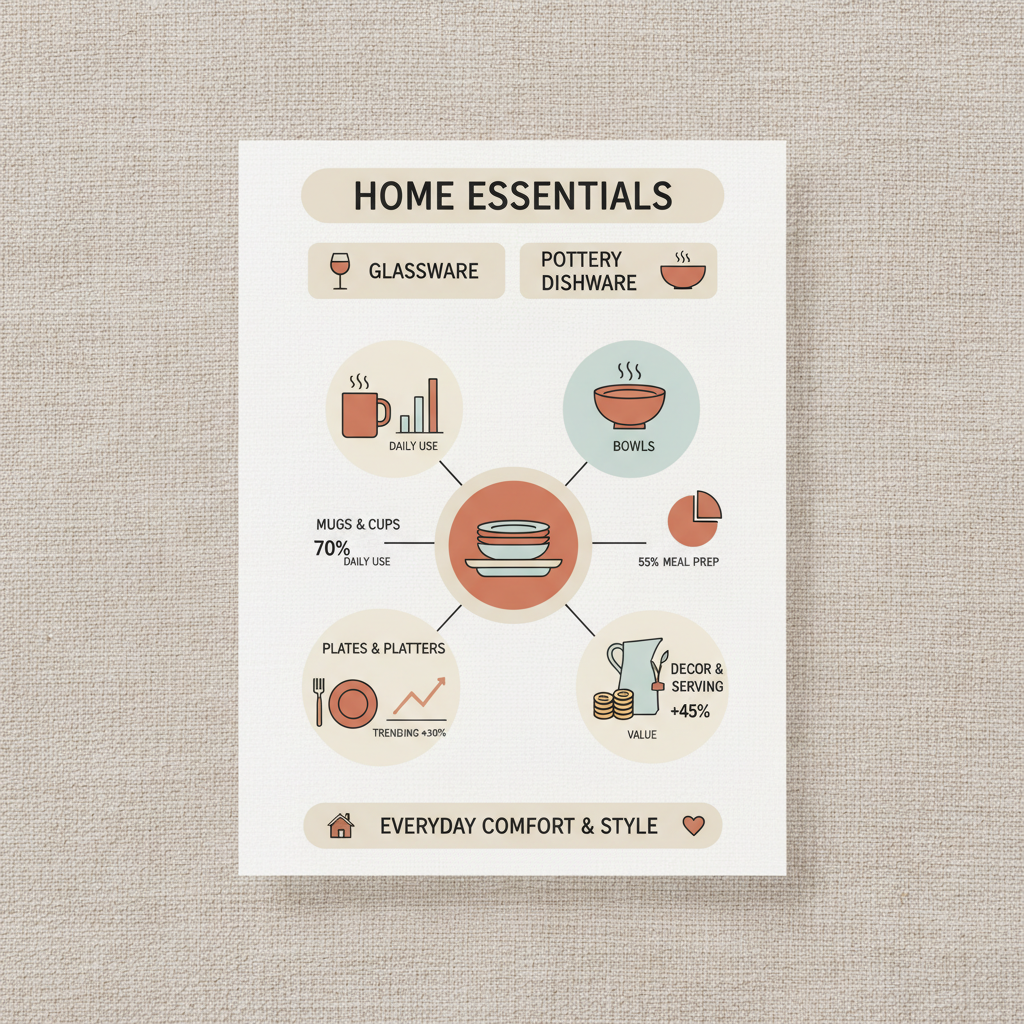
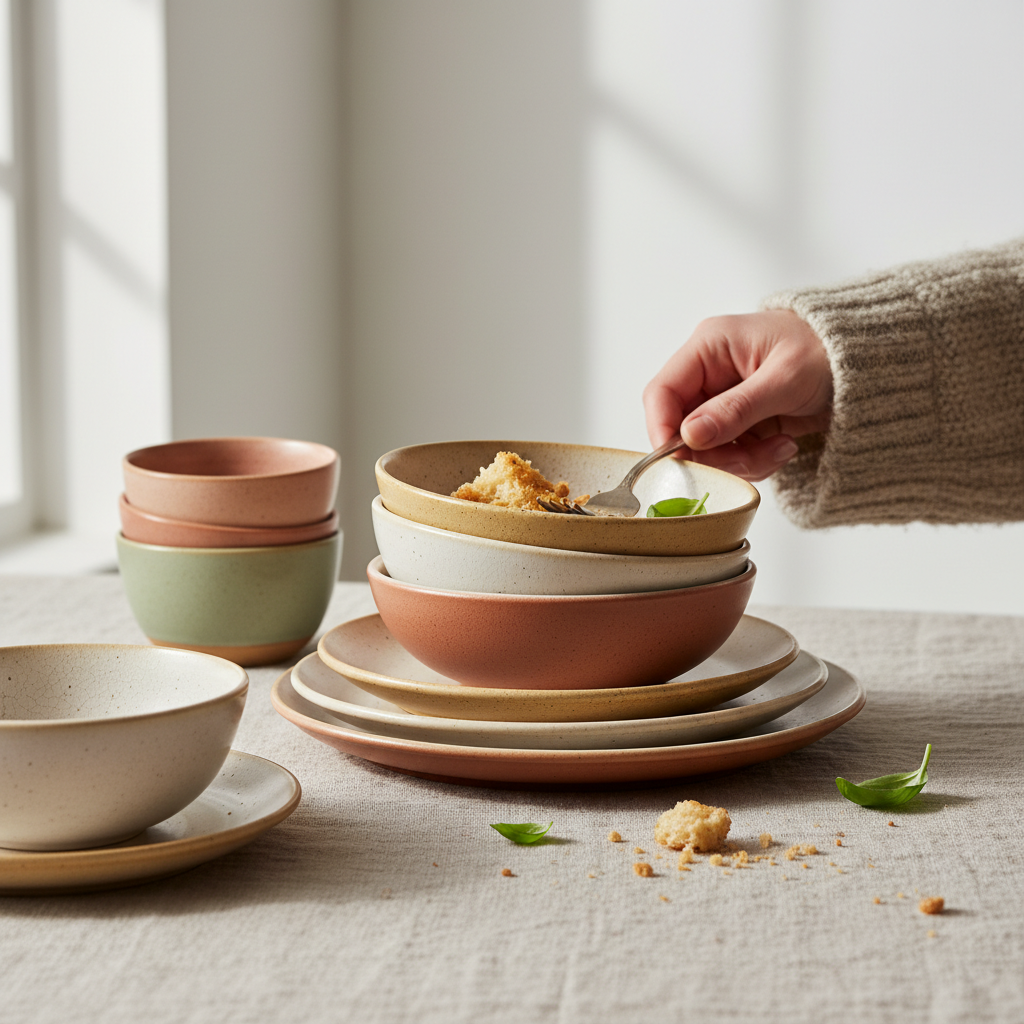
Pottery dishware, encompassing plates, bowls, cups, and serving pieces crafted from fired clay, represents a cornerstone of dining culture globally. Its enduring appeal stems from a unique blend of aesthetic beauty, functional durability, and historical significance. From ancient civilizations utilizing earthenware for daily sustenance to modern artisans creating bespoke designs, pottery dishware continues to evolve, adapting to changing tastes while maintaining its intrinsic connection to tradition. Understanding the nuances of pottery dishware – its materials, manufacturing processes, and design variations – is crucial for both consumers and professionals within the hospitality and retail industries.
The global market for tableware, of which pottery dishware constitutes a significant portion, is a multi-billion dollar industry, driven by factors such as population growth, rising disposable incomes, and a growing emphasis on home entertaining. According to recent reports, the Asia-Pacific region dominates the market, owing to its large population base and robust manufacturing capabilities. However, demand is steadily increasing in North America and Europe, fueled by a resurgence of interest in artisanal products and sustainable materials. The challenge lies in balancing affordability with quality and ethical production practices, ensuring that pottery dishware remains accessible to a broad consumer base.
In a world increasingly focused on conscious consumption, pottery dishware offers a compelling alternative to mass-produced plastic or melamine alternatives. It is a naturally sourced, often biodegradable material, and with proper care, can last for generations. Choosing pottery dishware isn't simply about selecting a plate; it's about embracing a piece of history, supporting artistic craftsmanship, and making a sustainable choice for the future. pottery dishware continues to be a vital element in our daily lives.
The Historical Significance of pottery dishware
The history of pottery dishware is inextricably linked to the development of civilization itself. Archaeological evidence reveals that the earliest forms of pottery vessels, used for both cooking and serving food, date back over 20,000 years, originating in East Asia. These initial creations, often rudimentary in form, marked a pivotal moment in human history, enabling the storage of food and water, and facilitating more settled lifestyles. Over millennia, techniques evolved, leading to increasingly sophisticated pottery traditions across the globe, each reflecting unique cultural aesthetics and technological advancements. pottery dishware isn’t just a functional item, it's a tangible connection to our ancestors.
From the intricate porcelain of ancient China to the vibrant maiolica of Renaissance Italy, pottery dishware has consistently served as a canvas for artistic expression. The materials used, the firing processes employed, and the decorative motifs applied all tell a story about the values, beliefs, and technological prowess of the societies that created them. The ongoing relevance of traditional pottery techniques alongside modern innovations highlights the enduring appeal of this age-old craft.
Defining Pottery Dishware: Materials and Techniques
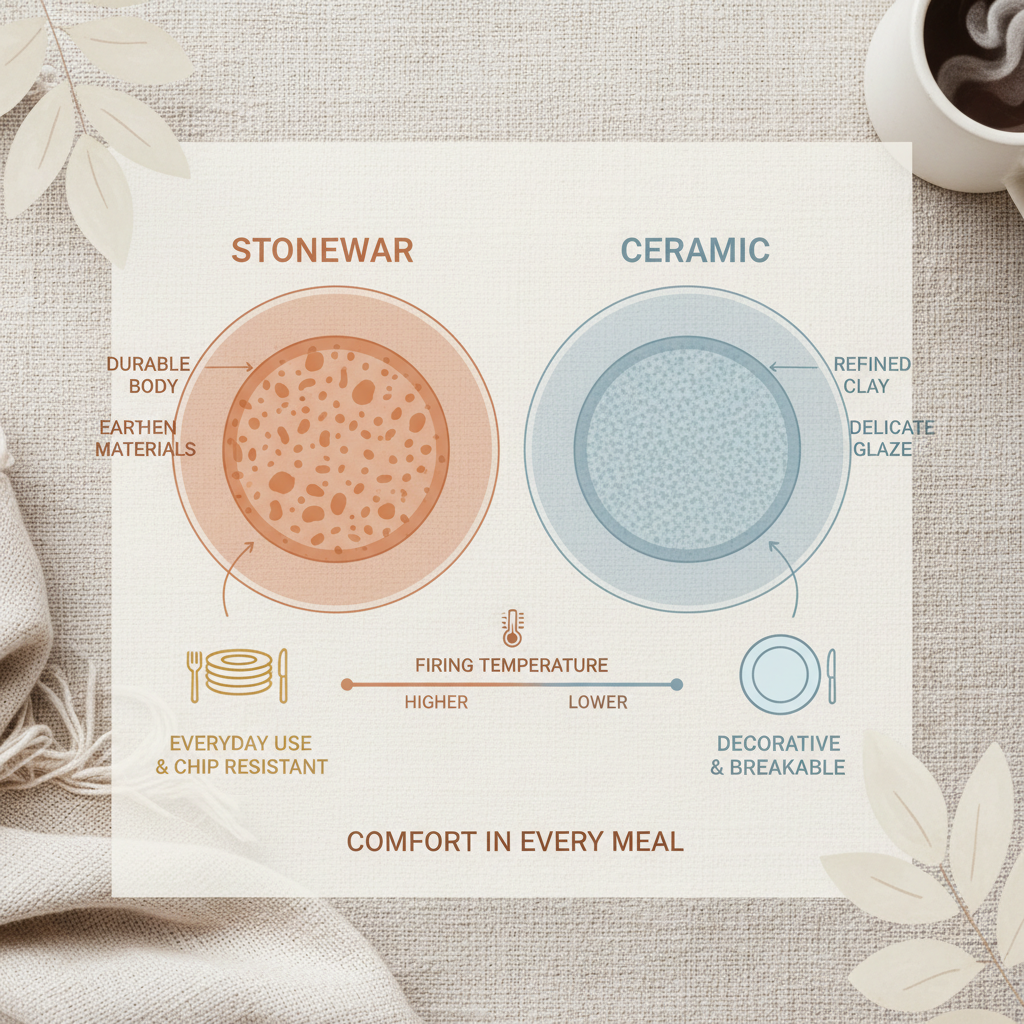
At its core, pottery dishware is created from clay, a naturally occurring material composed of hydrated aluminum phyllosilicates. Different types of clay – earthenware, stoneware, and porcelain – possess varying levels of plasticity, strength, and porosity, influencing the final characteristics of the finished product. Earthenware, typically fired at lower temperatures, is more porous and susceptible to chipping, making it suitable for decorative purposes or informal dining. Stoneware, fired at higher temperatures, is denser and more durable, ideal for everyday use. Porcelain, the most refined type of pottery, is exceptionally strong, translucent, and non-porous, often reserved for fine dining and heirloom pieces.
The process of creating pottery dishware involves several key stages: forming, drying, firing, and glazing. Forming can be achieved through various methods, including wheel throwing, hand-building, and slipcasting. Once formed, the pottery must be thoroughly dried to remove moisture, preventing cracking during firing. Firing in a kiln transforms the fragile clay into a durable ceramic material. Finally, glazing adds a decorative finish, enhances durability, and makes the pottery watertight.
The specific techniques and materials employed significantly impact the quality, aesthetic appeal, and functionality of the finished pottery dishware. Modern manufacturing processes often incorporate automated techniques to increase efficiency and consistency, while artisanal producers continue to rely on traditional methods, valuing the unique character and craftsmanship of each piece.
Core Characteristics of High-Quality pottery dishware
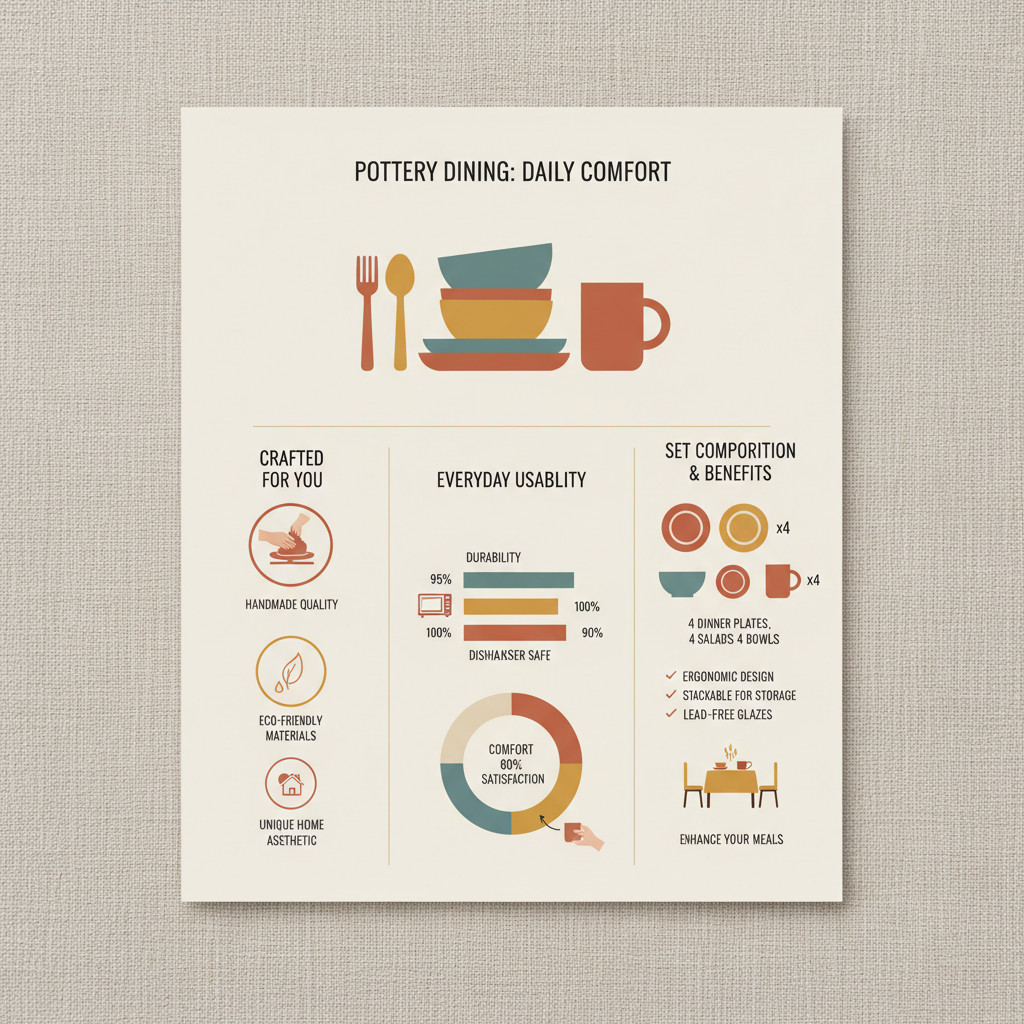
Several key characteristics define high-quality pottery dishware. First and foremost is durability – the ability to withstand regular use and resist chipping, cracking, or breaking. This is directly related to the type of clay used, the firing temperature, and the quality of the glaze. Second, thermal shock resistance is crucial, meaning the pottery can withstand sudden temperature changes without cracking. This is particularly important for dishes used in both the microwave and oven.
Another important characteristic is food safety. High-quality glazes should be lead-free and cadmium-free, ensuring that harmful chemicals do not leach into food. Finally, aesthetic appeal plays a significant role. Well-designed pottery dishware enhances the dining experience, adding a touch of elegance and sophistication to any table setting. These elements combine to define pottery dishware that is both functional and beautiful.
Beyond these core elements, consider the weight and balance of the pottery. Well-balanced pieces feel comfortable in the hand and are less prone to accidental spills. Also important is the consistency of the finish - even glazing and a smooth surface indicate attention to detail and quality control.
Global Production and Market Trends for pottery dishware
China remains the dominant force in global pottery dishware production, accounting for a substantial majority of the world’s output. This is due to several factors, including access to abundant raw materials, a skilled labor force, and established manufacturing infrastructure. However, other countries, such as India, Vietnam, and Thailand, are also emerging as significant producers, driven by lower labor costs and increasing investment in manufacturing technologies.
The market for pottery dishware is currently witnessing several key trends. Firstly, there's a growing demand for sustainable and ethically sourced products, prompting manufacturers to adopt more environmentally friendly practices. Secondly, consumers are increasingly seeking personalized and unique designs, driving demand for artisanal and handcrafted pottery. Thirdly, the rise of e-commerce has expanded access to a wider range of pottery dishware options, both from established brands and independent artisans.
Sales Volume by pottery dishware Style
Applications of pottery dishware Across Industries
The applications of pottery dishware extend far beyond the home kitchen. The hospitality industry, including restaurants, hotels, and catering services, relies heavily on durable and aesthetically pleasing pottery dishware to enhance the dining experience for their customers. The specific styles and designs chosen often reflect the branding and ambiance of the establishment.
Beyond hospitality, pottery dishware finds applications in institutional settings such as schools, hospitals, and corporate cafeterias. In these environments, durability, hygiene, and ease of cleaning are paramount considerations. Additionally, the catering and events industry utilizes large quantities of pottery dishware for banquets, weddings, and other special occasions.
Advantages and Long-Term Value Proposition of pottery dishware
Investing in high-quality pottery dishware offers a range of long-term benefits. Firstly, its durability translates to cost savings over time, as it reduces the need for frequent replacements. Unlike disposable alternatives, pottery dishware can last for decades with proper care. Secondly, its inherent aesthetic appeal enhances the dining experience, creating a more enjoyable and memorable atmosphere.
From a sustainability perspective, pottery dishware represents a more responsible choice compared to plastic or melamine alternatives. It is a naturally sourced material, and with proper disposal practices, can be recycled or composted. Finally, owning well-crafted pottery dishware adds a touch of sophistication and elegance to any home, reflecting a commitment to quality and timeless style.
Future Innovations and Sustainability in pottery dishware Manufacturing
The future of pottery dishware manufacturing is likely to be shaped by several key trends. Firstly, advancements in materials science are leading to the development of new clay formulations with enhanced strength, durability, and thermal shock resistance. Secondly, 3D printing technology is emerging as a promising method for creating custom-designed pottery dishware with intricate details.
Sustainability will continue to be a major focus, with manufacturers exploring ways to reduce their environmental footprint through the use of recycled materials, energy-efficient kilns, and water conservation techniques. Furthermore, the integration of digital technologies, such as AI-powered quality control systems, will help to optimize production processes and minimize waste.
These innovations promise to deliver pottery dishware that is not only beautiful and functional but also environmentally responsible and economically viable.
FAQS
To maximize the lifespan of your pottery dishware, avoid subjecting it to drastic temperature changes. Hand washing is generally recommended, especially for delicate pieces. When using a dishwasher, select a gentle cycle and avoid overcrowding. Avoid abrasive cleaners and scouring pads, as these can damage the glaze. Store pottery dishware carefully to prevent chipping and breakage.
The microwave and oven safety of pottery dishware depends on the type of clay and glaze used. Generally, stoneware and porcelain are more heat-resistant than earthenware. Always check the manufacturer's instructions before using pottery dishware in the microwave or oven. Avoid using pieces with metallic decorations, as these can spark in the microwave.
Reputable manufacturers will clearly label their pottery dishware as lead-free and cadmium-free. If the labeling is unclear, it’s best to err on the side of caution and choose pottery from trusted brands. Look for certifications from recognized testing agencies, indicating that the pottery has been tested for harmful substances.
Earthenware is porous and best for decorative purposes. Stoneware is more durable and chip-resistant, ideal for daily use. Porcelain is the most refined, strongest, and non-porous, often used for formal dining. Firing temperatures and clay composition define these distinctions.
While not typically accepted in standard curbside recycling programs, pottery dishware can often be recycled at specialized ceramics recycling facilities. Alternatively, broken pieces can be crushed and used as aggregate in landscaping projects.
Consider your needs and lifestyle. Choose durable materials for daily use and prioritize food safety. Check for even glazing, smooth surfaces, and balanced weight. Also, think about the style and how it will complement your existing decor.
Conclusion
In conclusion, pottery dishware represents a remarkable blend of history, artistry, and functionality. From its ancient origins to its modern applications, it continues to be an integral part of dining culture worldwide. Its durability, aesthetic appeal, and sustainable qualities make it a valuable investment for both individuals and businesses. Understanding the nuances of materials, techniques, and market trends is crucial for making informed choices and appreciating the true value of this timeless craft.
As we move forward, embracing innovation and sustainability will be key to ensuring the continued relevance of pottery dishware in a rapidly changing world. By supporting ethical manufacturing practices, exploring new materials, and celebrating the artistry of skilled artisans, we can ensure that pottery dishware remains a cherished part of our lives for generations to come. For all your pottery dishware needs, visit our website today: www.maixin-kitchenware.com.