Borosilicate glassware represents a significant advancement in material science, offering unparalleled thermal shock resistance and chemical durability. This unique combination of properties has propelled its use across a diverse range of applications, from laboratory equipment and cookware to pharmaceutical packaging and even artistic creations. Understanding the nuances of borosilicate glass is critical for industries demanding high performance, reliability, and safety in their materials. The global demand for specialized glassware continues to rise, driven by innovation in science, healthcare, and consumer products.
The increasing complexity of modern research and manufacturing processes necessitates materials capable of withstanding extreme conditions. Borosilicate glassware addresses this need by maintaining its structural integrity when exposed to rapid temperature changes and harsh chemical environments. This resilience minimizes the risk of failure, ensuring the accuracy of experiments, the safety of contents, and the longevity of equipment. Investing in a deeper comprehension of this material translates to reduced downtime, enhanced product quality, and ultimately, improved operational efficiency.
Furthermore, the growing emphasis on sustainability and environmentally conscious manufacturing has positioned borosilicate glassware as a preferred alternative to certain plastics and other less durable materials. Its inherent recyclability and resistance to leaching contribute to a more circular economy and minimize environmental impact. As such, appreciating the properties and applications of borosilicate glassware is not merely a technical consideration, but a strategic imperative for businesses seeking to thrive in a rapidly evolving world.
Introduction to Borosilicate Glassware
Borosilicate glassware is a type of glass containing boron trioxide, renowned for its exceptional resistance to thermal shock. This characteristic allows it to withstand significant and rapid temperature changes without cracking, making it ideal for applications involving heating or cooling. Borosilicate glassware stands apart due to this unique property.
Its versatility stems from its chemical inertness, resisting corrosion and contamination, crucial in scientific and medical contexts. Beyond practicality, its clarity and aesthetic appeal have led to its adoption in consumer goods like cookware and laboratory items.
The Science Behind the Strength
The superior thermal shock resistance of borosilicate glassware is rooted in its chemical composition and the way it responds to temperature fluctuations. Unlike soda-lime glass, commonly used for windows and bottles, borosilicate glass has a lower coefficient of thermal expansion. This means it expands less when heated and contracts less when cooled, reducing internal stress.
The addition of boron trioxide (B2O3) significantly alters the glass structure, decreasing its susceptibility to cracking under thermal stress. The boron network reduces the tendency for localized stresses to build up during rapid temperature changes, enhancing the material’s overall durability. This controlled expansion and contraction are fundamental to its performance.
Furthermore, the amorphous nature of glass, lacking a crystalline structure, contributes to its isotropic properties—meaning its characteristics are consistent in all directions. This uniformity enhances its resistance to stress concentration, contributing to its overall robustness.
Composition and Manufacturing Processes
Typically, borosilicate glass contains around 5-13% boron trioxide (B2O3), alongside silica (SiO2), sodium oxide (Na2O), and aluminum oxide (Al2O3). The precise composition varies depending on the desired properties and intended application. Adjusting these proportions allows manufacturers to fine-tune the glass’s thermal expansion coefficient, chemical resistance, and mechanical strength.
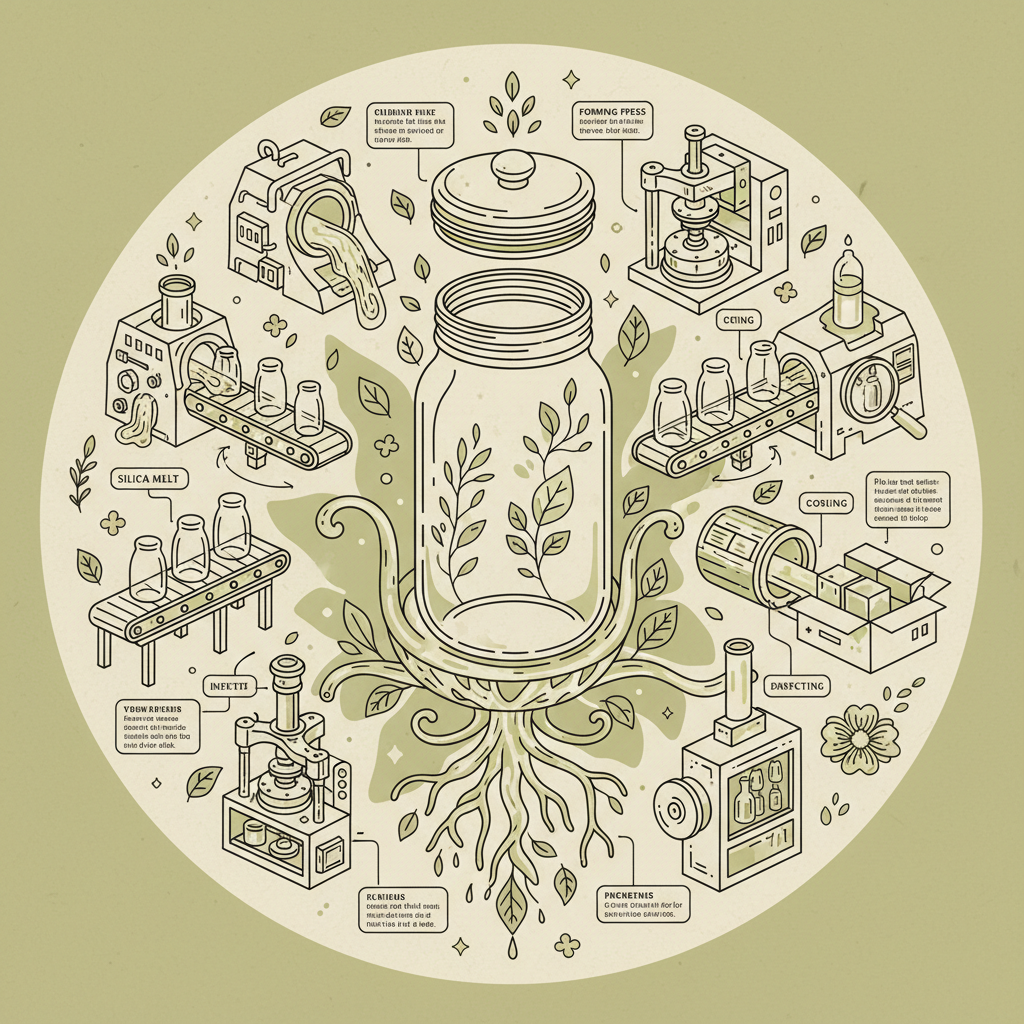
The manufacturing process typically begins with melting the raw materials at high temperatures (around 1500-1600°C). This molten glass is then shaped using various techniques, including blowing, pressing, or drawing. Precise control over the melting and shaping processes is crucial to ensure homogeneity and minimize defects within the borosilicate glassware.
Following shaping, the glass undergoes annealing—a controlled cooling process that relieves internal stresses and enhances its durability. This step is critical for preventing cracking and ensuring the long-term reliability of the final product. Quality control measures throughout the entire process are vital to guarantee consistent performance.
Key Properties of Borosilicate Glassware
Borosilicate glassware exhibits a remarkable set of properties that distinguish it from other types of glass. Beyond thermal shock resistance, its high chemical inertness is a cornerstone of its widespread use in laboratory settings. It resists attack from most acids, bases, and organic solvents, maintaining the purity of contained substances.
Its low coefficient of thermal expansion, coupled with a high softening point, contributes to its exceptional durability and longevity. This allows for repeated heating and cooling cycles without significant degradation or risk of failure.
Comparison of Key Properties of Different Glassware Types
Global Applications Across Industries
The exceptional properties of borosilicate glassware have led to its adoption in a remarkably diverse range of industries. In the pharmaceutical sector, it’s crucial for vials, ampoules, and syringes, ensuring drug purity and compatibility. Similarly, in the food and beverage industry, it's favored for cookware, storage containers, and specialized processing equipment.
The scientific community relies heavily on borosilicate glassware for laboratory glassware, including beakers, flasks, test tubes, and condensers, where precise measurements and chemical resistance are paramount. Furthermore, its use extends to lighting applications—particularly in high-intensity discharge lamps—where thermal stability is essential.
Benefits and Long-Term Value Proposition
Investing in borosilicate glassware offers significant long-term benefits beyond its immediate functional advantages. Its durability reduces the need for frequent replacements, lowering lifecycle costs. The chemical inertness minimizes contamination risks, leading to more reliable results in research and manufacturing.
From an environmental perspective, its recyclability and reduced reliance on disposable plastics contribute to a more sustainable footprint. Moreover, the safety and reliability inherent in its design foster trust and confidence among users, whether in a laboratory, a kitchen, or a manufacturing facility.
These combined advantages translate to increased operational efficiency, reduced risk, and a commitment to responsible environmental practices, making it a strategic asset for any organization.
Future Trends and Innovations in Borosilicate Glassware
Ongoing research focuses on enhancing the properties of borosilicate glassware through novel manufacturing techniques and compositional adjustments. Efforts are underway to improve its strength, reduce its weight, and enhance its optical clarity. Nanotechnology is playing an increasing role, with researchers exploring the incorporation of nanoparticles to impart unique functionalities.
Sustainable manufacturing practices are gaining prominence, with a focus on reducing energy consumption and minimizing waste during production. Furthermore, the integration of digital technologies—such as advanced sensors and automated quality control systems—is streamlining processes and ensuring greater consistency.
The exploration of new applications in emerging fields like advanced energy storage and biomedical devices promises to further expand the role of borosilicate glassware in shaping a more innovative and sustainable future.
Summary of Key Challenges and Solutions in Borosilicate Glassware Production
| Challenge |
Impact on Production |
Proposed Solution |
Expected Outcome |
| High Energy Consumption |
Increased Production Costs |
Implementation of Energy-Efficient Furnaces |
Reduced Energy Bills and Carbon Footprint |
| Defect Rate |
Material Waste and Reduced Yield |
Automated Quality Control Systems |
Improved Product Consistency and Reduced Waste |
| Raw Material Sourcing |
Supply Chain Disruptions and Price Volatility |
Diversification of Supplier Network |
Enhanced Supply Chain Resilience |
| Maintaining Uniformity |
Variation in Glass Properties |
Precision Mixing and Melting Control |
Improved Consistency in Final Product |
| Annealing Process Control |
Residual Stress and Potential for Cracking |
Optimized Cooling Schedules |
Reduced Stress and Enhanced Durability |
| Skilled Labor Shortage |
Difficulty Maintaining Quality |
Training Programs and Automation |
Increased Workforce Competence |
FAQS
Borosilicate glassware offers significantly superior thermal shock resistance, meaning it can withstand rapid temperature changes without cracking. It also exhibits higher chemical durability, resisting corrosion from most acids, bases, and solvents. While soda-lime glass is more affordable, it lacks these critical properties, making borosilicate the preferred choice for applications requiring reliability and safety in harsh conditions. Its improved durability translates to lower replacement costs and enhanced long-term value.
Cleaning borosilicate glassware is generally straightforward. Avoid abrasive cleaners or scouring pads, as these can scratch the surface. Warm soapy water and a soft sponge or brush are usually sufficient. For stubborn residues, a mild solvent like isopropyl alcohol can be used. Avoid sudden temperature changes during cleaning, and ensure the glassware is thoroughly dried before storage to prevent water spots or corrosion. Proper handling, avoiding impacts, also extends its lifespan.
Yes, borosilicate glassware is generally considered safe for food and beverage contact. It’s chemically inert, meaning it doesn’t leach harmful chemicals into food or alter its taste. However, it's important to ensure the glassware is free from cracks or chips, as these can create potential points of contamination. Look for borosilicate glassware certified to meet relevant food safety standards.
Numerous industries rely heavily on borosilicate glassware. These include pharmaceutical (vials, ampoules), laboratory research (beakers, flasks), food and beverage (cookware, storage), chemical processing (reaction vessels), and lighting (high-intensity lamps). Its unique combination of thermal shock resistance, chemical inertness, and clarity makes it indispensable in applications demanding high performance and safety.
The manufacturing of borosilicate glassware is more complex and energy-intensive than that of standard glass, driving up its cost. The higher melting temperatures required and the need for precise control during shaping and annealing contribute to increased production expenses. However, the long-term benefits – durability, reduced replacement costs, and enhanced safety – often offset the initial price difference.
Yes, borosilicate glassware is recyclable, although it often requires separate collection and processing from standard glass. Because of its different chemical composition, it can contaminate standard glass recycling streams. Its durability and resistance to degradation also contribute to its sustainability, reducing the need for frequent replacements. Choosing borosilicate is a more environmentally sound option compared to some plastics.
Conclusion
In conclusion, borosilicate glassware stands as a testament to materials science innovation, offering a unique combination of properties—thermal shock resistance, chemical inertness, and durability—that make it indispensable across a vast spectrum of industries. Its versatility extends from critical scientific applications to everyday consumer goods, consistently delivering reliability and safety. Understanding its benefits and potential is paramount for professionals and consumers alike.
Looking forward, continued advancements in manufacturing techniques and materials science promise to further enhance the capabilities of borosilicate glassware, unlocking new applications and contributing to a more sustainable future. We invite you to explore the extensive range of high-quality borosilicate glassware products available on our website and discover how we can meet your specific needs.