When sourcing storage solutions for a commercial kitchen or a retail line, the balance between material safety and aesthetic appeal often dictates market success. For businesses looking for glass spice jars with bamboo lids wholesale, the priority is typically finding a container that preserves the potency of aromatic herbs while fitting into the modern, eco-conscious "minimalist pantry" trend. The shift away from plastic toward sustainable materials has made the combination of borosilicate glass and natural bamboo a gold standard for high-end kitchenware.
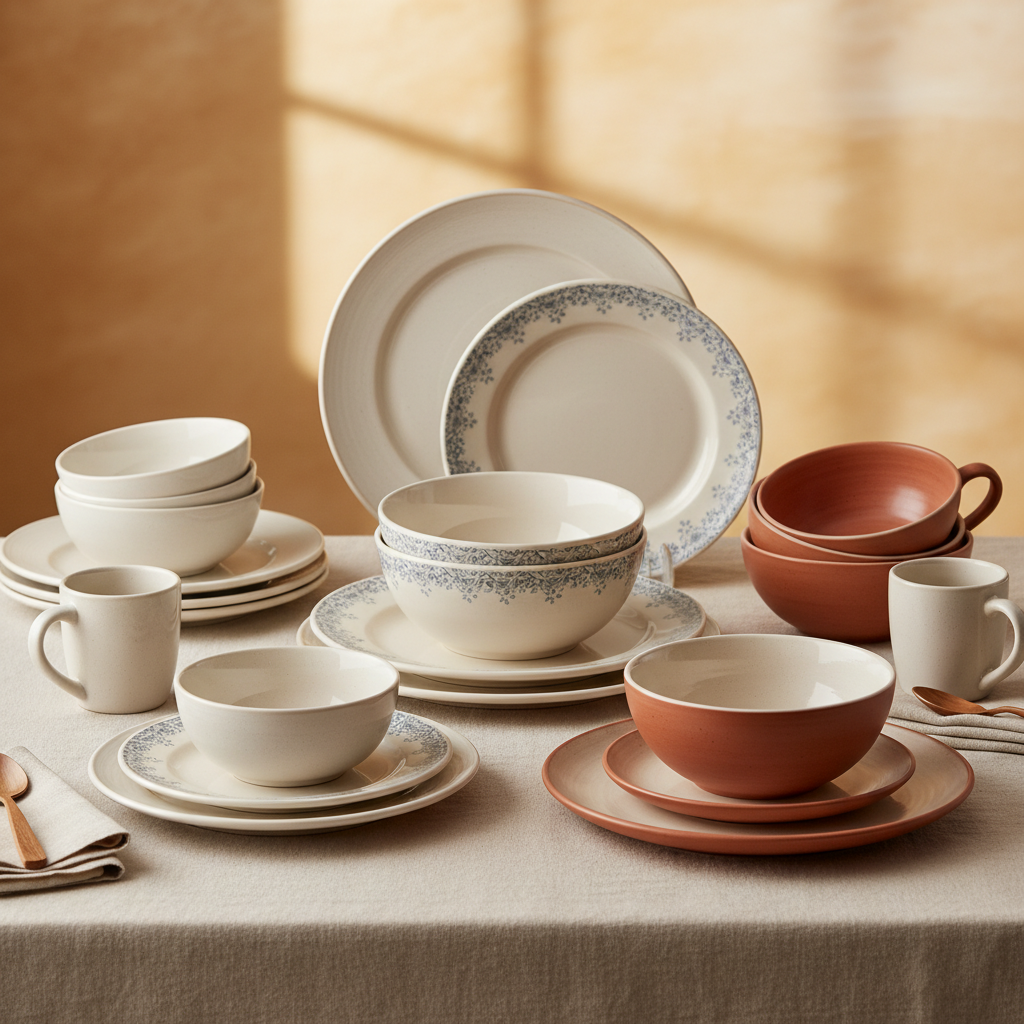
The importance of this specific material pairing extends beyond looks; it is about the chemical stability of the vessel. High borosilicate glass is non-reactive, ensuring that acidic spices or pungent oils do not leach chemicals or absorb odors, which is a critical requirement for food safety standards across North America and Europe. When integrated into a broader product range including ceramic dinnerware and glass pitchers, these jars provide a cohesive, professional look that enhances the perceived value of the stored goods.
Choosing the right wholesale partner requires an understanding of both the technical specifications of the glass and the durability of the sealing mechanism. This guide analyzes the critical factors in selecting high-quality storage jars, from thermal resistance to airtight integrity, helping buyers make informed decisions. For those seeking professional-grade options, exploring glass spice jars with bamboo lids wholesale provides a foundation for sustainable and safe food preservation.


High-quality spice jars are typically constructed from high borosilicate glass, a material engineered to withstand significant thermal expansion and contraction. Unlike standard soda-lime glass, borosilicate glass incorporates boron trioxide, which enhances its resistance to temperature shocks. This makes the jars suitable for various environments, from refrigerated storage to the warmth of a kitchen counter near a stove, without the risk of cracking.
The lids are crafted from sustainable bamboo, often paired with a food-grade silicone seal to ensure an airtight environment. This combination creates a barrier against humidity and oxygen, which are the primary drivers of spice degradation. By preventing moisture ingress, the bamboo lid helps maintain the volatile oils and aromatic compounds that give spices their flavor and potency over long periods.
When evaluating glass spice jars with bamboo lids wholesale, buyers must look beyond the visual finish. The first key indicator is the clarity and thickness of the glass wall; consistent thickness prevents weak points that could lead to breakage during shipping or daily use. Furthermore, the precision of the lid's fit is paramount; a lid that is even a fraction of a millimeter off can compromise the airtight seal, leading to premature spoilage of the contents.
Thermal stability is another non-negotiable factor. Borosilicate glass should be verified for its ability to handle both high and low temperatures, allowing the jars to be transitioned from a pantry to a refrigerator safely. This versatility is essential for businesses that store a wide variety of ingredients, including those that require chilled storage to prevent oxidation.
Finally, the finishing of the bamboo lids should be scrutinized. High-quality lids are sanded smooth and treated with food-safe coatings to prevent splintering or mold growth in humid kitchen environments. The integration of a high-density silicone ring ensures that the seal remains tight even after repeated opening and closing, which is a critical metric for long-term product durability.
The primary value of utilizing borosilicate glass in food storage lies in its chemically inert nature. Many spices contain strong acids or oils that can react with certain plastics or lower-grade metals, leading to off-flavors or the leaching of harmful chemicals into the food. Glass eliminates this risk entirely, providing a pure environment that preserves the original taste and aroma of the ingredients.
Non-reactive glass ensures zero chemical interaction with acidic, spicy, or salty foods, making it the safest choice for long-term storage of pickles, dried herbs, and fermented vegetables while maintaining complete olfactory neutrality.
From a sustainability perspective, the use of bamboo and glass reduces the reliance on single-use plastics. This not only appeals to the environmentally conscious consumer but also aligns with global regulatory trends pushing for a circular economy. For the wholesaler, offering a product that is both durable and biodegradable in its lid component increases the product's lifecycle value and marketability.
Selecting the appropriate glass type depends on the intended use case and the required level of durability. While soda-lime glass is cost-effective for short-term storage, borosilicate glass offers superior performance in professional settings due to its thermal resistance and higher purity. This difference is most evident when jars are subjected to sterilization processes or extreme temperature shifts.
In a wholesale context, the trade-off between initial cost and long-term durability is a key decision point. Borosilicate glass, though slightly more expensive to produce, significantly reduces the rate of breakage and replacement, offering a better return on investment for the end-user and a more premium brand image for the supplier.
In professional culinary environments, these jars are used for the efficient organization of "mise en place." Chefs rely on the transparency of the glass to quickly identify ingredients without opening multiple containers, which speeds up the cooking process. The airtight bamboo lids are essential in high-heat kitchens where steam and humidity could otherwise penetrate and clump fine powders like cinnamon or garlic powder.
For residential use, the trend toward "aesthetic organization" has driven demand for matching sets of jars. Homeowners utilize these containers not just for spices, but for bulk pantry staples such as granola, seeds, and baking ingredients. The neutral tone of the bamboo lid complements various interior design styles, transforming functional storage into a decorative element of the kitchen.
The kitchenware industry is moving toward a holistic approach to sustainability, where the entire product lifecycle is considered. We are seeing a shift toward "zero-waste" packaging in wholesale, where the glass jars themselves serve as the primary packaging for the spice, eliminating the need for secondary plastic bags or boxes. This integration reduces the carbon footprint associated with shipping and waste.
Technological advancements in glass tempering are further enhancing the impact resistance of borosilicate containers, making them more viable for high-traffic commercial environments. Additionally, the exploration of biodegradable alternatives to silicone seals is an active area of development, aiming to make the entire jar 100% compostable or recyclable.
Moreover, the integration of smart labeling—such as QR codes etched into the glass—is becoming a trend. This allows users to track the purchase date and expiration of their spices digitally, reducing food waste and improving inventory management for both home cooks and professional chefs.
Maintaining the longevity of glass storage jars requires a basic understanding of material care. While the glass body is dishwasher safe and highly resistant to stains, the bamboo lids must be handled differently. Because bamboo is a natural porous material, soaking lids in water can lead to warping or the growth of mold. Hand-washing with a damp cloth and immediate drying is the recommended protocol.
To remove stubborn odors from the glass, a mixture of baking soda and vinegar is highly effective. This natural cleaning method avoids the use of harsh chemicals that could leave residues, ensuring that the next batch of spices is not contaminated by the scent of the previous contents.
Storing jars away from direct sunlight is another critical factor. While the glass does not degrade, UV exposure can cause the organic compounds in spices to break down, leading to a loss of color and flavor. Utilizing a cool, dry pantry area maximizes the shelf life of the ingredients.
| Feature | Borosilicate Glass | Soda-Lime Glass | Plastic Containers |
|---|---|---|---|
| Thermal Shock | Excellent | Moderate | Poor |
| Chemical Inertness | Complete | High | Low/Variable |
| Odor Retention | None | Minimal | High |
| Eco-Impact | Low (Recyclable) | Low (Recyclable) | High (Pollutant) |
| Lid Compatibility | Bamboo/Silicone | Plastic/Metal | Plastic |
| Lifecycle Value | Very High | High | Low |
Yes, glass storage jars are highly safe and suitable for a wide range of food items. Because glass is non-reactive, it does not interact with acidic, spicy, or salty foods, which can be a concern with some metal or plastic containers. This makes glass an excellent material for storing pickles, dried herbs, baking ingredients, or leftover sauces.
Bamboo lids should be washed by hand to maintain their integrity. Use a soft sponge and mild detergent to remove residue, and avoid soaking them in water, as this can cause warping or mold. Ensure the lid is completely dry before placing it back on the jar to prevent moisture buildup inside.
High borosilicate glass jars can typically withstand high temperatures and may be used for reheating or baking, but only without the bamboo lid. Always check the specific manufacturer guidelines before placing any glass in an oven to ensure the thermal rating is sufficient for the intended temperature.
Borosilicate glass has a lower coefficient of thermal expansion, meaning it is much less likely to crack when exposed to sudden temperature changes. It also offers superior chemical resistance, ensuring that no leaching occurs, which is critical for maintaining the purity of food-grade storage.
An airtight seal created by the combination of a bamboo lid and a silicone ring prevents air and humidity from entering the jar. This is vital because oxygen and moisture accelerate the oxidation of volatile oils in spices, which leads to a loss of flavor and potency over time.
Look for suppliers who provide certification for food-grade materials and demonstrate consistency in glass thickness and lid precision. A reliable partner should also have a proven export track record to regions with strict safety standards, such as North America and Western Europe.
The transition toward sustainable, non-reactive food storage is more than a design trend; it is a commitment to food safety and environmental responsibility. High borosilicate glass jars with bamboo lids offer a professional solution that balances thermal durability with airtight preservation. By eliminating the risks associated with chemical leaching and moisture ingress, these containers ensure that the quality and integrity of ingredients are maintained from the wholesale warehouse to the end consumer's kitchen.
Selecting a supplier that prioritizes material purity and precision engineering is the key to ensuring long-term product success. Whether you are upgrading a commercial pantry or developing a retail product line, investing in high-quality glassware provides lasting value and operational efficiency. To explore a comprehensive range of innovative borosilicate and ceramic solutions, you are welcome to visit www.maixin-kitchenware.com for professional procurement options.