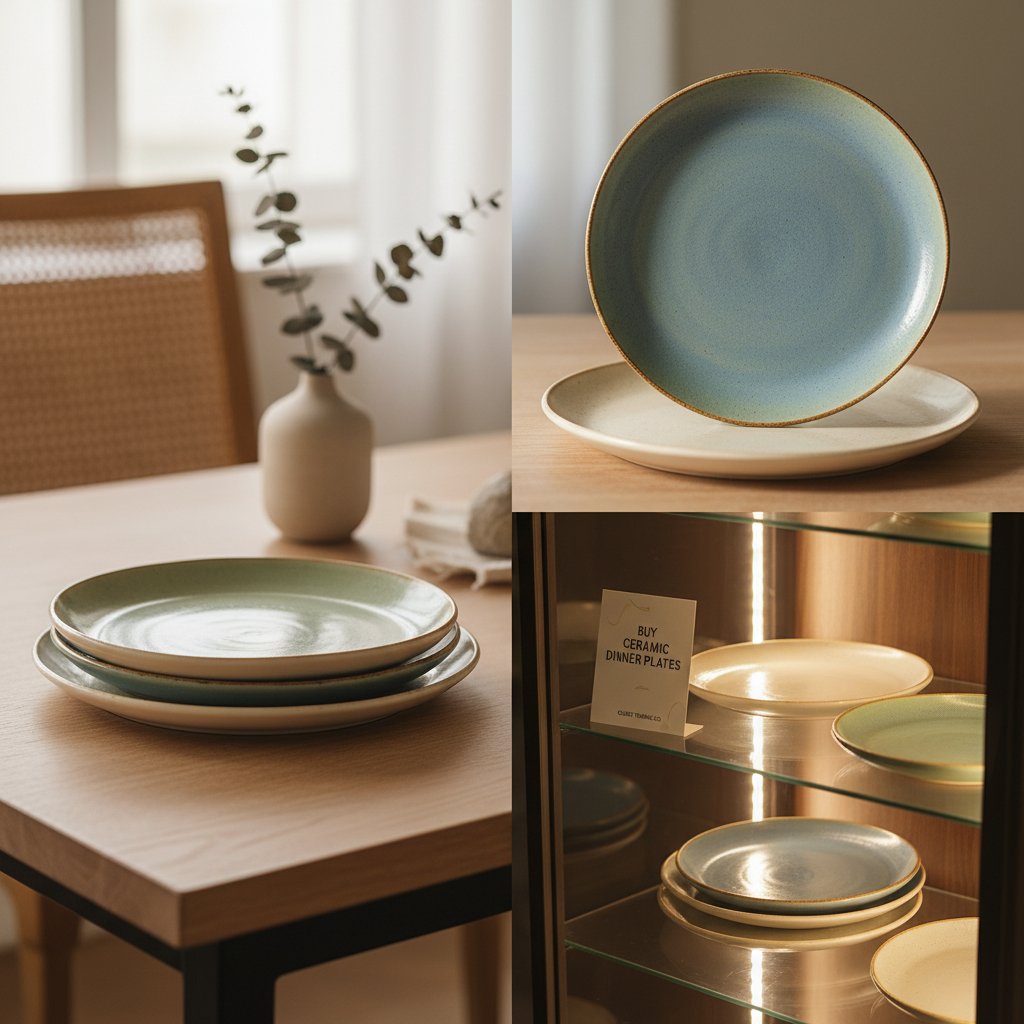
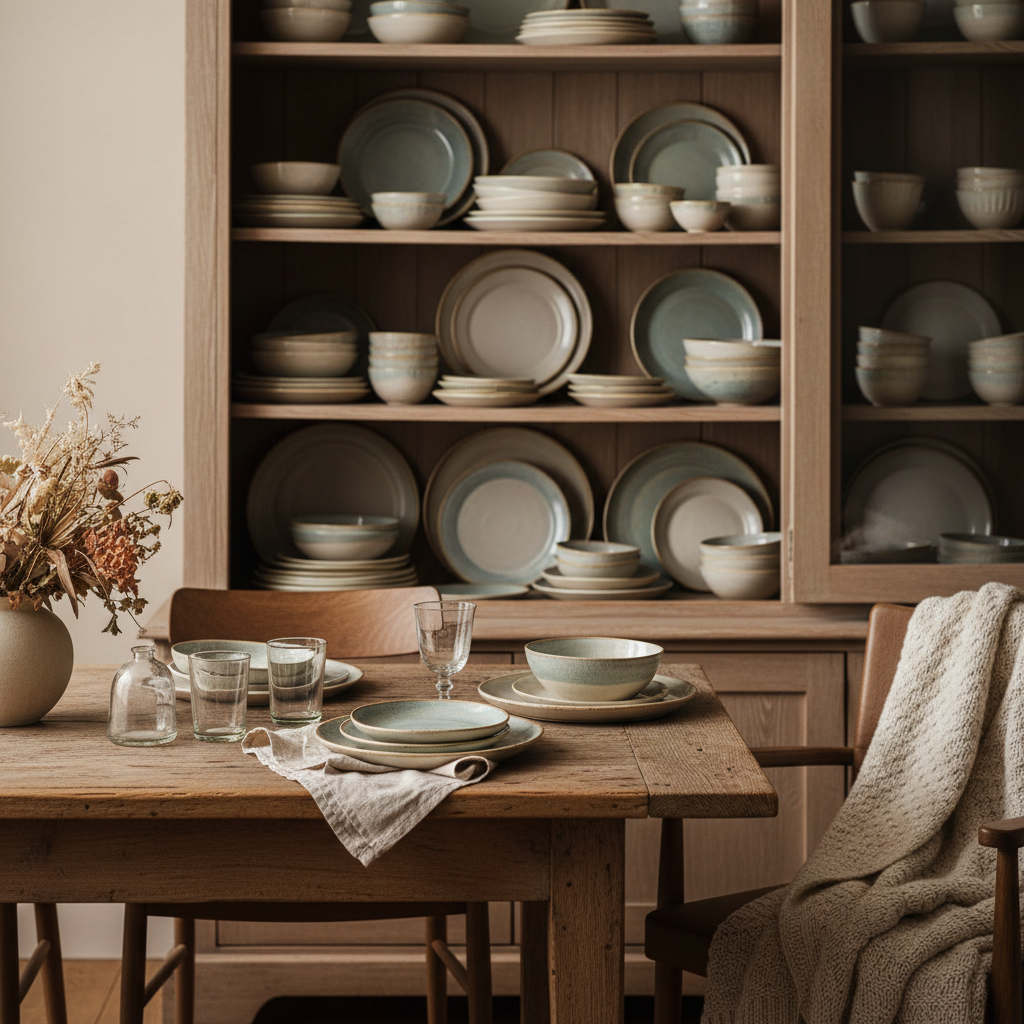
Look, I've been running around construction sites for fifteen years, and let me tell you, the whole ceramic dinnerware manufacturing scene…it’s changed. Used to be, it was all about mass-producing the cheapest stuff possible. But lately, there’s a real push for quality, for stuff that lasts, and frankly, looks good. It’s not just restaurants anymore, you know? More and more people are wanting that higher-end feel even in everyday dining. Been seeing a lot of investment in better clays, glazing techniques...
To be honest, the biggest change I've noticed is the demand for customization. Everyone wants something unique. A specific color, a logo, a slightly different shape. It's a pain, trust me, trying to coordinate with factories to get those small batches done right. But that’s the market now. It’s no longer about churning out a million identical plates; it's about delivering something special.
It’s funny, though. You’d think with all the fancy tech, the basics would be simple. But they're not. They’re never simple. Getting the clay mix just right, ensuring it doesn't crack in the kiln…that takes skill. And it takes experience. I've seen so many companies mess it up, producing plates that look beautiful but fall apart after a few washes. That's a nightmare.
The Evolving Landscape of Ceramic Dinnerware Manufacturers
Have you noticed the shift towards sustainability? It’s huge. Factories are starting to look at reducing water waste, using more eco-friendly glazes… it's a slow process, believe me. A very slow process. But the pressure from consumers and regulations is real. And it’s not just about being green, it’s about responsible sourcing. People want to know where their dinnerware comes from.
The competitive landscape is intense. You’ve got the big players in China dominating the low-end market, but more and more smaller manufacturers are popping up, focusing on niche markets and artisan craftsmanship. They’re competing on quality and design, rather than just price. Frankly, it’s good for the industry. It forces everyone to up their game.
Design Pitfalls and Common Mistakes
Oh, the design mistakes…where do I even begin? Strangely, the biggest problem I see is overcomplicating things. People want these intricate shapes, these delicate handles…but they forget that dinnerware needs to be functional. I encountered this at a factory in Thailand last time. They were trying to make a plate with a built-in sauce compartment. Sounded great on paper, but it was a nightmare to clean and the sauce always overflowed.
Another common mistake is underestimating the importance of glaze consistency. A poorly applied glaze can lead to chipping, cracking, and uneven heating. And nobody wants a chipped plate, right? It just looks cheap. And don't even get me started on the weight distribution. A plate that’s too heavy or unbalanced feels awkward to use. It's those little details that make or break a product.
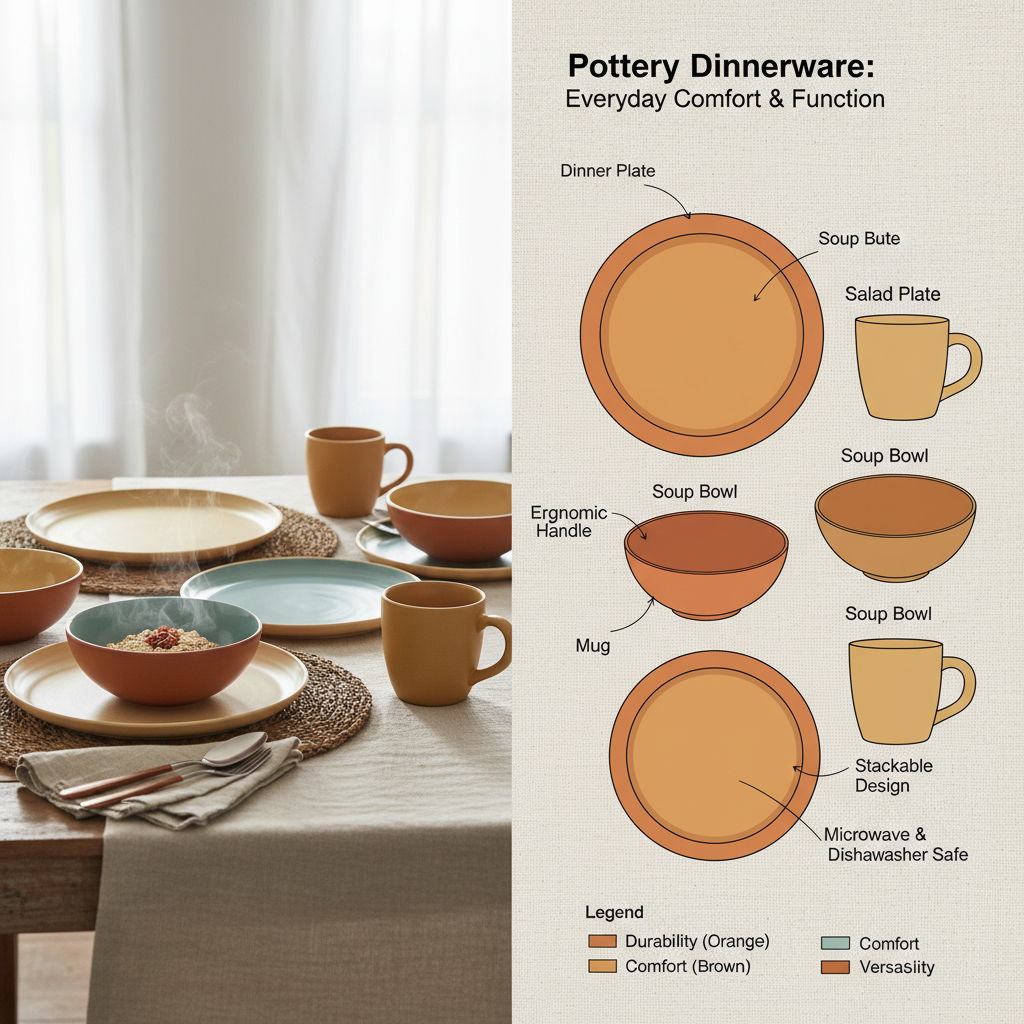
I’ve also seen a lot of designers focus too much on aesthetics and forget about stacking. Plates that don’t stack neatly are a pain for restaurants and caterers. It's a small thing, but it can make a big difference.
Materials: It’s Not Just About the Clay
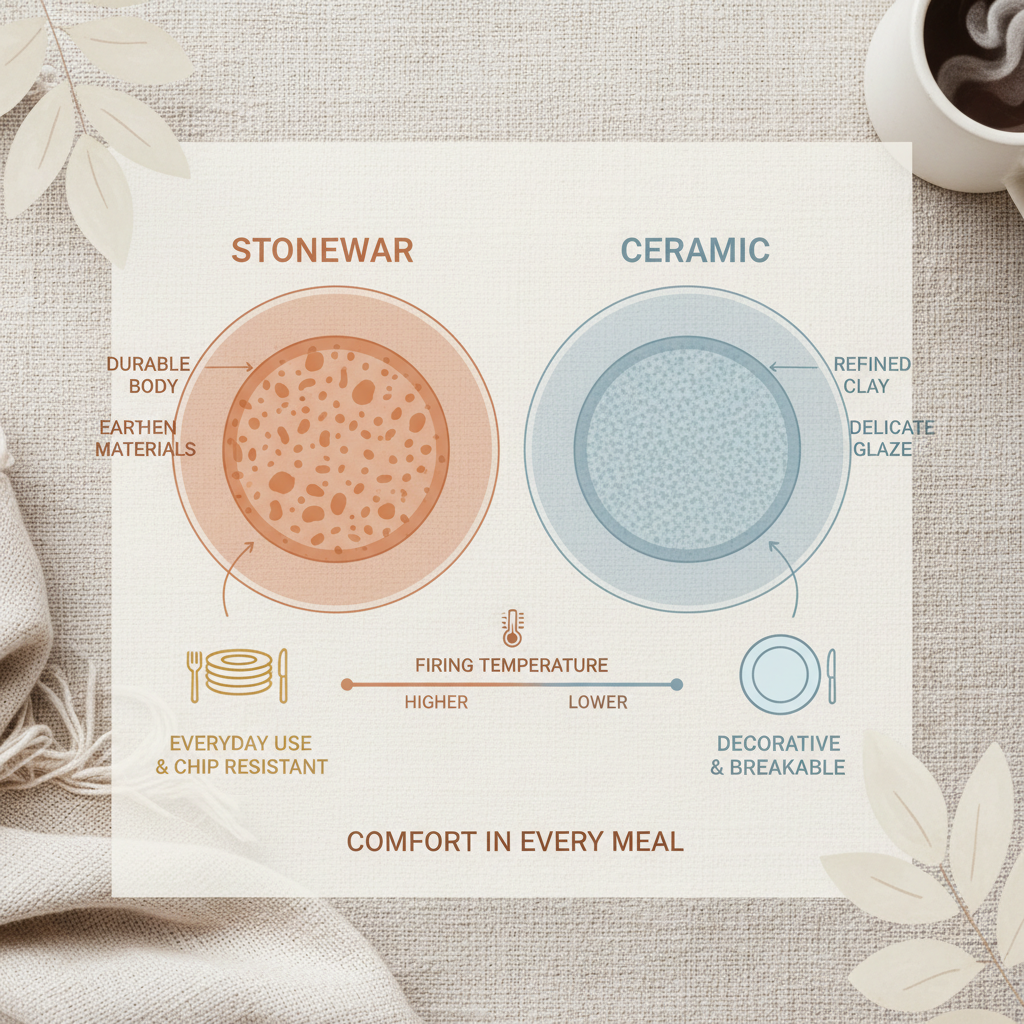
Okay, so clay. It's not just ‘clay’. There's stoneware, porcelain, earthenware… each has its own properties. Stoneware is durable, chip-resistant, good for everyday use. Porcelain is elegant, lightweight, but more fragile. Earthenware is the cheapest, but also the least durable. And then you’ve got the additives – feldspar, silica, kaolin… they all affect the final product.
I remember handling some kaolin clay in a small workshop in Jingdezhen. The feel of it was…silky smooth, almost like powder. But it was also incredibly delicate. You had to be really careful not to contaminate it. The smell of the kiln when it’s firing is also something else. That earthy, almost metallic scent...you get used to it.
But it’s not just the clay itself. The glaze is just as important. Lead-free glazes are essential, of course. But even within lead-free glazes, there’s a huge range of options. Some are more durable, some are more vibrant, some are better at resisting scratches. And getting the right glaze to adhere to the clay properly… that’s an art in itself.
Real-World Testing: Beyond the Lab
Lab tests are fine, I guess. Drop tests, scratch tests, thermal shock tests… they give you some data. But they don’t tell the whole story. Real-world testing is what matters. I mean, throwing a plate on the floor in a lab is one thing. Having a waiter accidentally drop a stack of plates during a busy dinner service is another.
I’ve seen factories send samples to restaurants for testing, which is a good start. But the best testing I’ve seen is just letting the workers use the dinnerware in their own canteens. They’re the ones who are going to be banging it around, washing it repeatedly, and generally putting it through its paces. If it can survive that, it’s probably good to go.
Durability Ratings of Different Ceramic Dinnerware Manufacturers
How Users Actually Use Ceramic Dinnerware
This is where things get interesting. You design a beautiful plate, thinking people will appreciate its subtle curves and elegant glaze. But then you watch them pile it high with food, scrape it clean with a fork, and toss it in the dishwasher. It’s a rude awakening.
I’ve seen families with kids just completely abuse their dinnerware. Dropping it, throwing it, using it as a makeshift frisbee… it’s brutal. Restaurants are even worse. The constant banging, stacking, and washing takes a toll. You realize that durability is more important than aesthetics in a lot of cases.
The Upsides, Downsides, and Customization Potential
Look, ceramic dinnerware has a lot going for it. It’s beautiful, it’s versatile, it’s relatively inexpensive. But it’s also fragile. And it’s heavy. And it can chip easily. Anyway, I think the customization potential is what really sets it apart.
I've seen manufacturers do amazing things with custom designs. Logos, patterns, even hand-painted artwork. It’s a great way to create a unique brand identity. Last month, that small boss in Shenzhen who makes smart home devices insisted on changing the interface to on a whole batch of custom mugs… and the result was a massive headache for everyone involved. He thought it would be “more modern.” It wasn't.
But seriously, the ability to tailor the dinnerware to a specific brand or event is a huge selling point.
A Closer Look at Manufacturing Processes
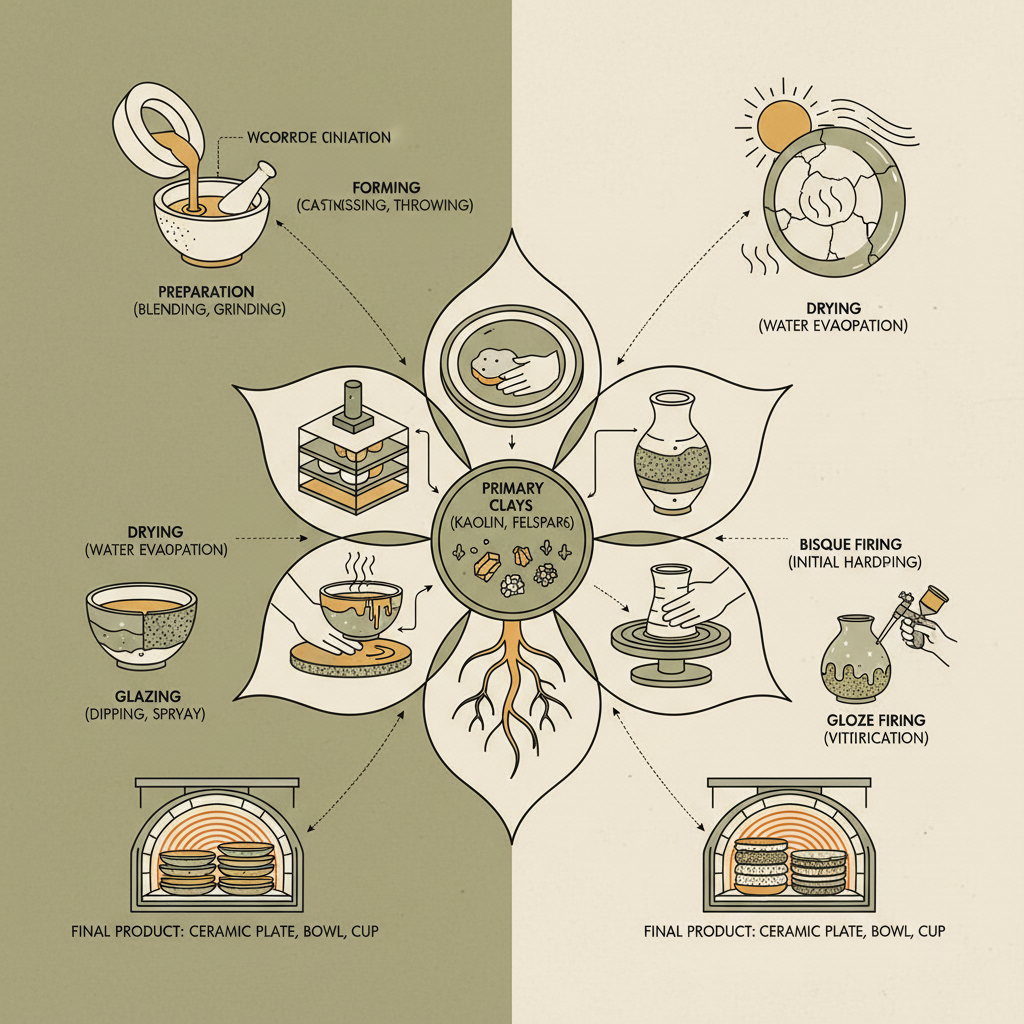
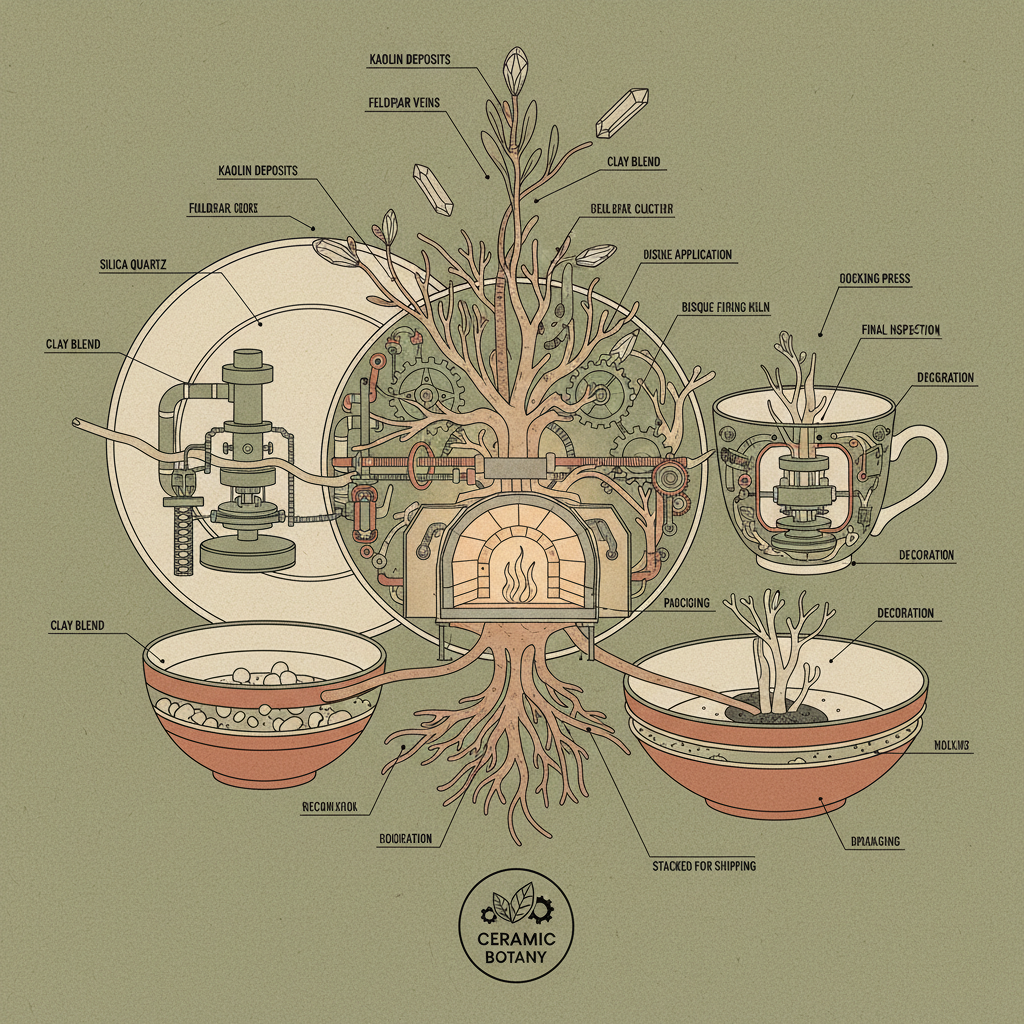
Okay, so let's talk about how this stuff is actually made. It’s a surprisingly complex process. First, you’ve got the clay preparation – mixing the different clays and additives to get the right consistency. Then comes the forming – either slip casting, jiggering, or pressing. Slip casting is good for complex shapes, but it's slow. Jiggering is faster, but it's limited to simpler designs.
Then you’ve got the drying, bisque firing, glazing, and finally, the glaze firing. Each stage requires careful control of temperature and atmosphere. And there’s a lot of room for error. A slight variation in temperature can ruin an entire batch. I've seen it happen too many times.
And don't forget about quality control. Every piece needs to be inspected for cracks, chips, and imperfections. It’s a tedious process, but it’s essential.
Summary of Key Manufacturing Process Parameters
| Process Stage |
Critical Parameter |
Acceptable Range |
Impact of Deviation |
| Clay Preparation |
Moisture Content |
18-22% |
Cracking or deformation |
| Bisque Firing |
Temperature |
900-1000°C |
Insufficient hardness, glaze adhesion issues |
| Glazing |
Glaze Thickness |
0.2-0.5 mm |
Pinholing, blistering, uneven coverage |
| Glaze Firing |
Firing Temperature |
1200-1300°C |
Color variation, glaze runs, warping |
| Quality Control |
Visual Inspection |
Strict adherence to standards |
Defective products reaching the market |
| Packing & Shipping |
Packaging Material |
Bubble wrap, sturdy boxes |
Breakage during transit |
FAQS
Honestly? They go for the cheapest option. They think they're saving money, but they end up replacing broken plates every other week. Durability is key in a commercial setting. You need something that can withstand constant use and abuse. It’s better to invest in quality upfront, even if it costs a bit more. Trust me, I’ve seen the carnage.
Critically important. A poor-quality glaze will chip, scratch, and fade quickly. And some glazes contain harmful lead. You need to make sure the glaze is lead-free and food-safe. Also, the glaze affects the overall look and feel of the dinnerware. A good glaze will enhance the color and texture of the clay.
Stoneware is more durable and chip-resistant, making it great for everyday use. Porcelain is more elegant and lightweight, but also more fragile. Stoneware is generally less expensive than porcelain. The choice depends on your needs and budget. I always recommend stoneware for restaurants and families with kids.
It depends on the glaze and the clay body. Most stoneware and porcelain are microwave and dishwasher safe, but it’s always best to check the manufacturer's instructions. Some glazes can crack or fade if exposed to high temperatures or harsh detergents. Also, avoid sudden temperature changes, as this can cause thermal shock.
Pretty much anything is possible, within reason. You can get custom colors, logos, patterns, and even hand-painted designs. The minimum order quantity usually depends on the complexity of the design. It's more expensive for small batches, of course. But for a unique brand identity, it can be worth the investment. Just…don’t ask for the impossible.
Look for certifications, like ISO 9001. Check their track record and ask for references. Visit their factory if possible. And pay attention to their customer service. A reputable manufacturer will be responsive, helpful, and willing to address your concerns. Avoid companies that are too good to be true – they usually are.
Conclusion
So, there you have it. Ceramic dinnerware manufacturing is a surprisingly complex world. It’s not just about making pretty plates; it’s about understanding materials, processes, and customer needs. It’s about balancing aesthetics with durability, cost with quality, and tradition with innovation. It's about remembering that a plate isn't just a plate—it's a daily companion.
Ultimately, whether this thing works or not, the worker will know the moment he tightens the screw. And that's the truth. If you're looking for a reliable ceramic dinnerware manufacturers, do your research, ask the right questions, and don’t be afraid to get your hands dirty. You won't regret it.