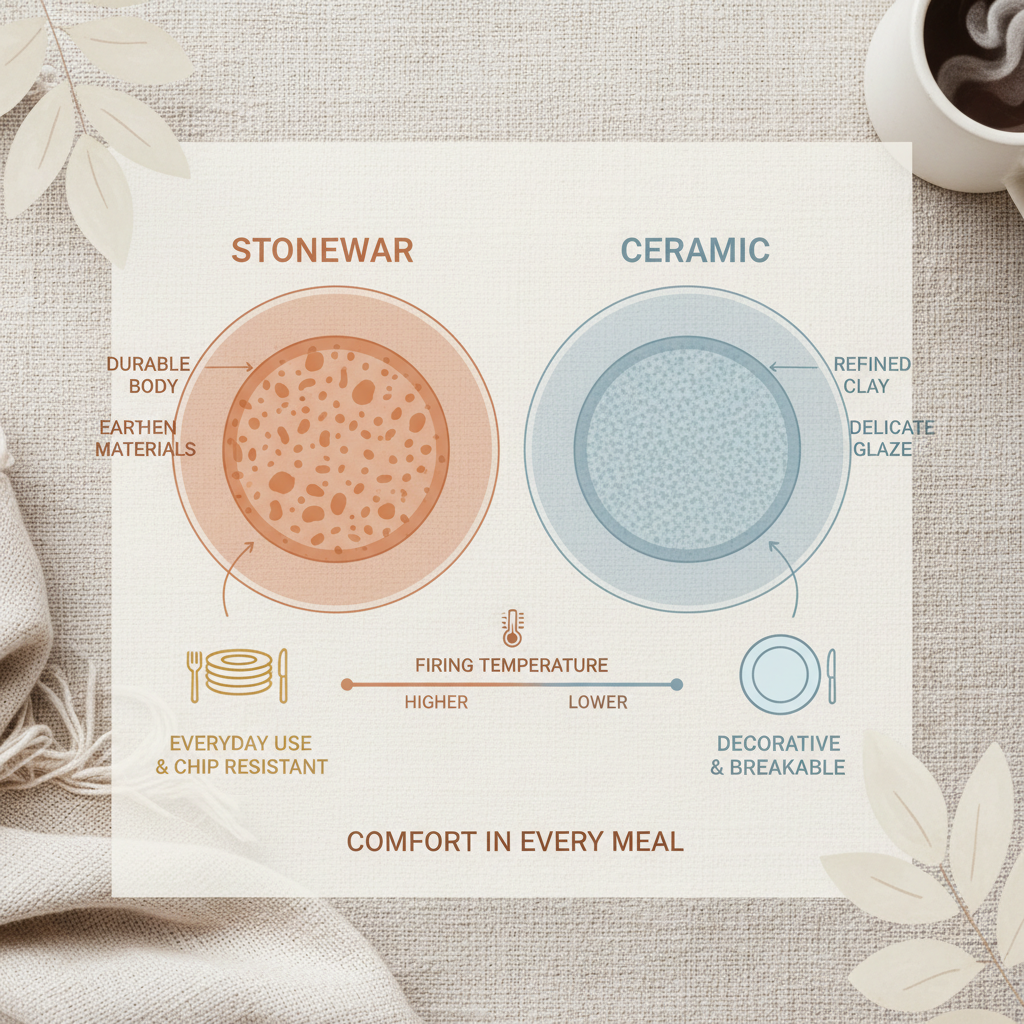
Look, I've been running around construction sites for over a decade now. You see a lot, smell a lot… mostly dust and concrete, honestly. Lately, everyone's buzzing about 'green materials' and 'modular construction'. Sounds fancy, right? It's mostly about trying to cut down on waste and speed things up. It’s a good direction, but you quickly realize that ‘green’ often means ‘expensive’, and ‘modular’ means ‘more things to go wrong’. But hey, progress, right?
One thing I’ve noticed, and this is a big one, is designers loving to overcomplicate things. A simple bracket suddenly needs five different mounting options, a perfectly good screw gets replaced with some exotic alloy just because it sounds better in the spec sheet. I encountered this at a factory in Ningbo last time – they’d designed this new connector that looked amazing on paper, but it took three guys and a mallet to actually get it to fit. To be honest, simplicity wins every time on site.
And then there’s the materials themselves. We’re using more and more high-strength steel, obviously. That stuff smells like… well, like steel, but the cheaper stuff has this weird oily film on it that gets everywhere. It’s a pain. Then you get into the composites – carbon fiber, fiberglass… those are slick. Really slick. You need gloves, otherwise, you’re itchy for days. But they’re light, strong, and don’t rust, so you kinda deal with it.
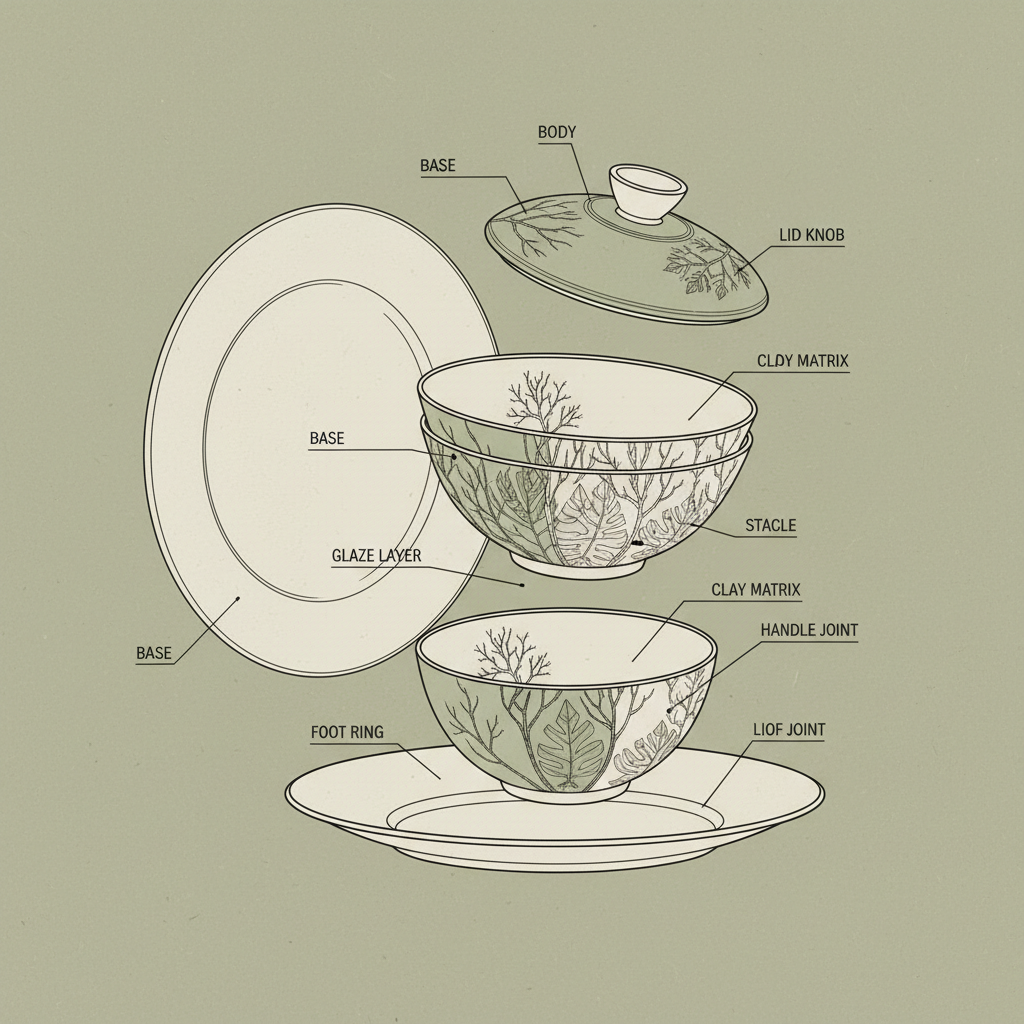
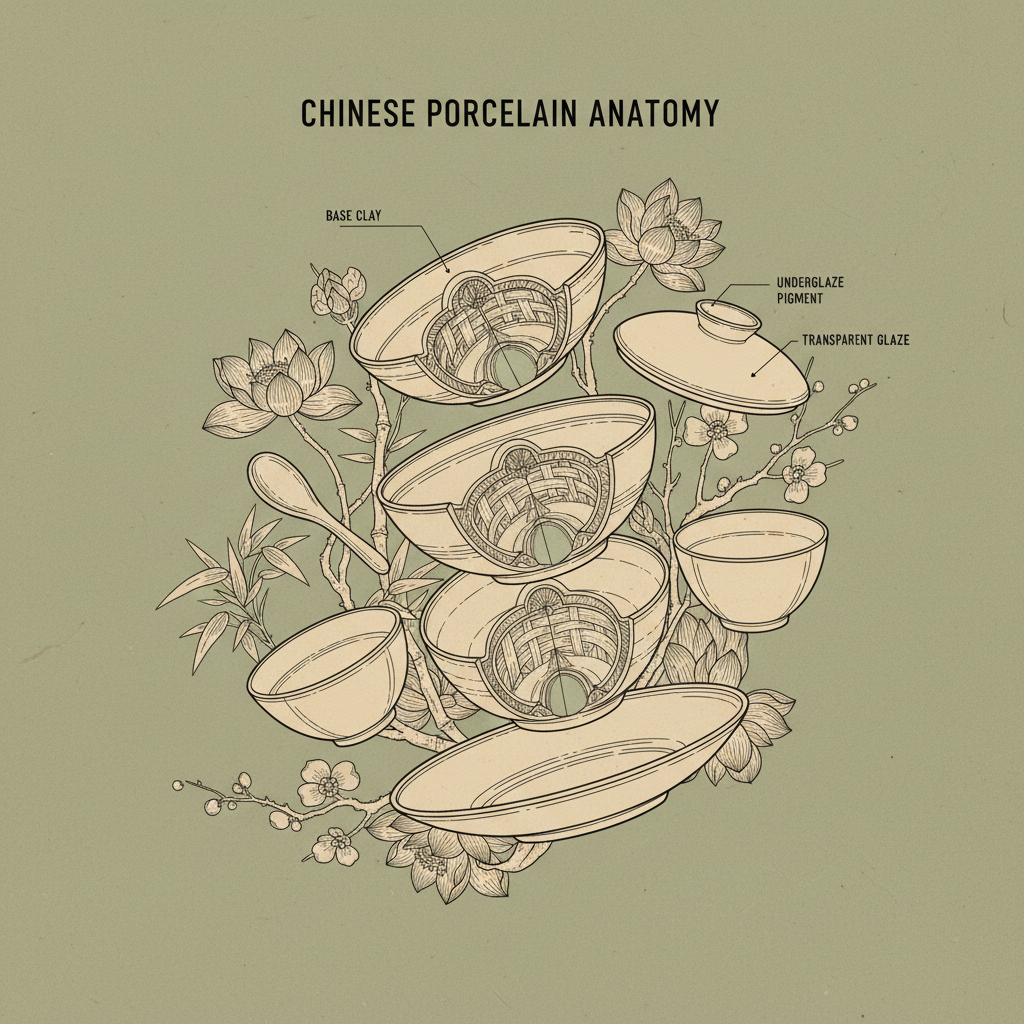
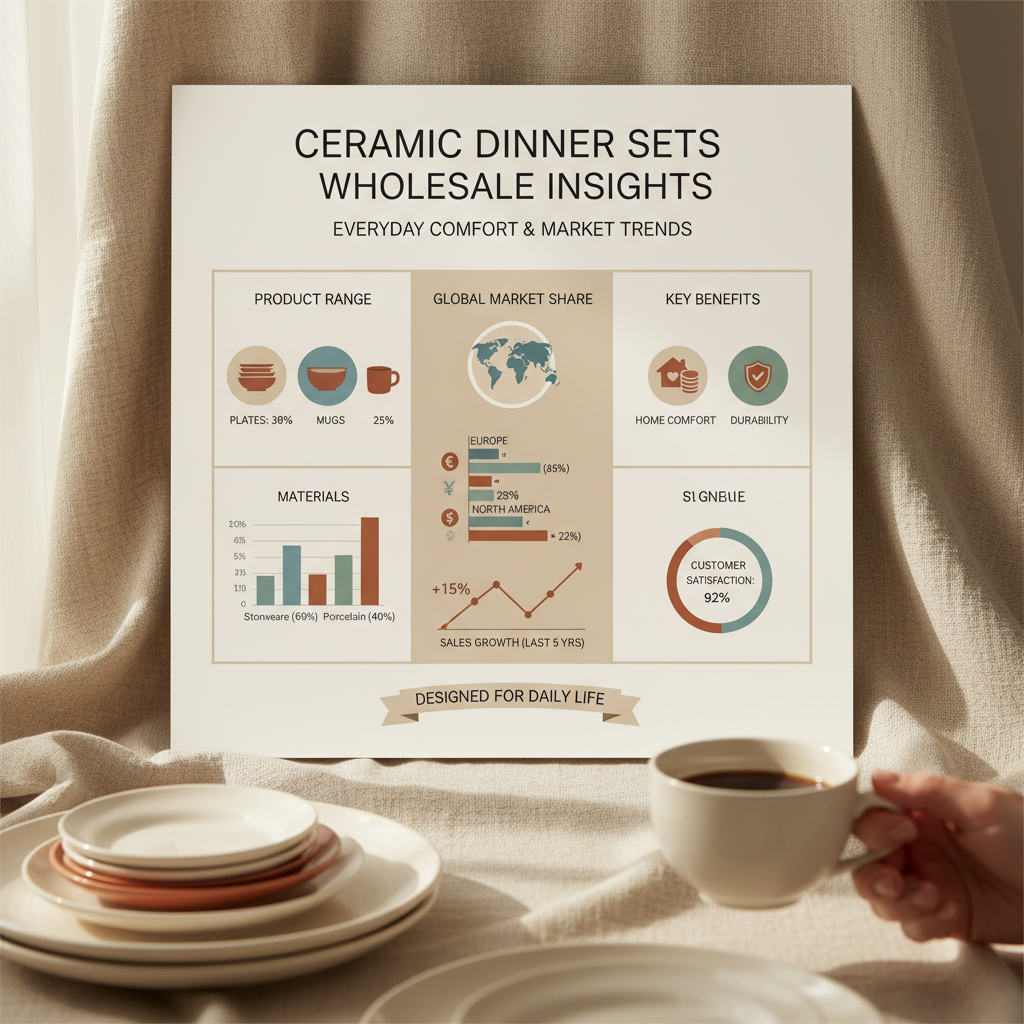
Strangely, there’s a move back towards more traditional methods mixed with modern efficiency. Everyone wants that ‘hand-crafted’ look, but nobody wants to pay for actual hand-crafting! So, we're seeing more automation in the forming and glazing process to mimic the artistry. Demand for eco-friendly glazes is up too, though finding ones that are truly durable is still a challenge.
I’m also seeing a lot more interest in incorporating smart technology - not in the dinnerware itself, necessarily, but in the packaging and logistics. Traceability, temperature monitoring during shipping… all that stuff. It’s about ensuring the product arrives in one piece, and knowing exactly where it’s been all along.
Lead times really depend on the complexity of the design and our current workload. But generally, for an order over 10,000 pieces with custom decorations, you’re looking at a minimum of 8-12 weeks. It's the firing process that takes the longest. We need time to ensure consistent quality and avoid cracking or warping. We also have to account for potential delays in sourcing raw materials, especially specialized glazes. It's always best to plan well in advance!
Honestly, the best advice is to handle it with care! Avoid stacking plates too high, as this puts stress on the edges. Use a placemat or tablecloth to cushion against impacts. When washing, hand washing is always preferable, but if you’re using a dishwasher, choose a gentle cycle and avoid overcrowding. And for the love of all that is holy, don’t put hot plates directly into cold water – that’s a guaranteed crack.
The MOQ varies depending on the complexity of the design. Simple logo applications can start as low as 500 pieces, but for more intricate designs or custom shapes, we generally require a minimum of 1,000-2,000 pieces per design. This is because the setup costs for molds and decorations are significant, and we need to spread those costs across a sufficient number of units to make it economically viable.
Generally, yes, most of our chinese porcelain dinnerware is safe for use in a microwave and oven, up to a certain temperature. We recommend a maximum temperature of 200°C (392°F). However, it’s always best to check the specific product specifications, as some glazes may not be suitable for high-temperature oven use. And avoid sudden temperature changes, like taking a cold plate directly from the fridge and putting it into a hot oven – that’s a recipe for disaster.
We adhere to strict quality control standards and our products meet relevant food safety regulations, including FDA and LFGB requirements. We can provide certification documents upon request. Our glazes are lead-free and cadmium-free, ensuring they are safe for food contact. We also have ISO 9001 certification for our quality management system, demonstrating our commitment to consistent product quality.
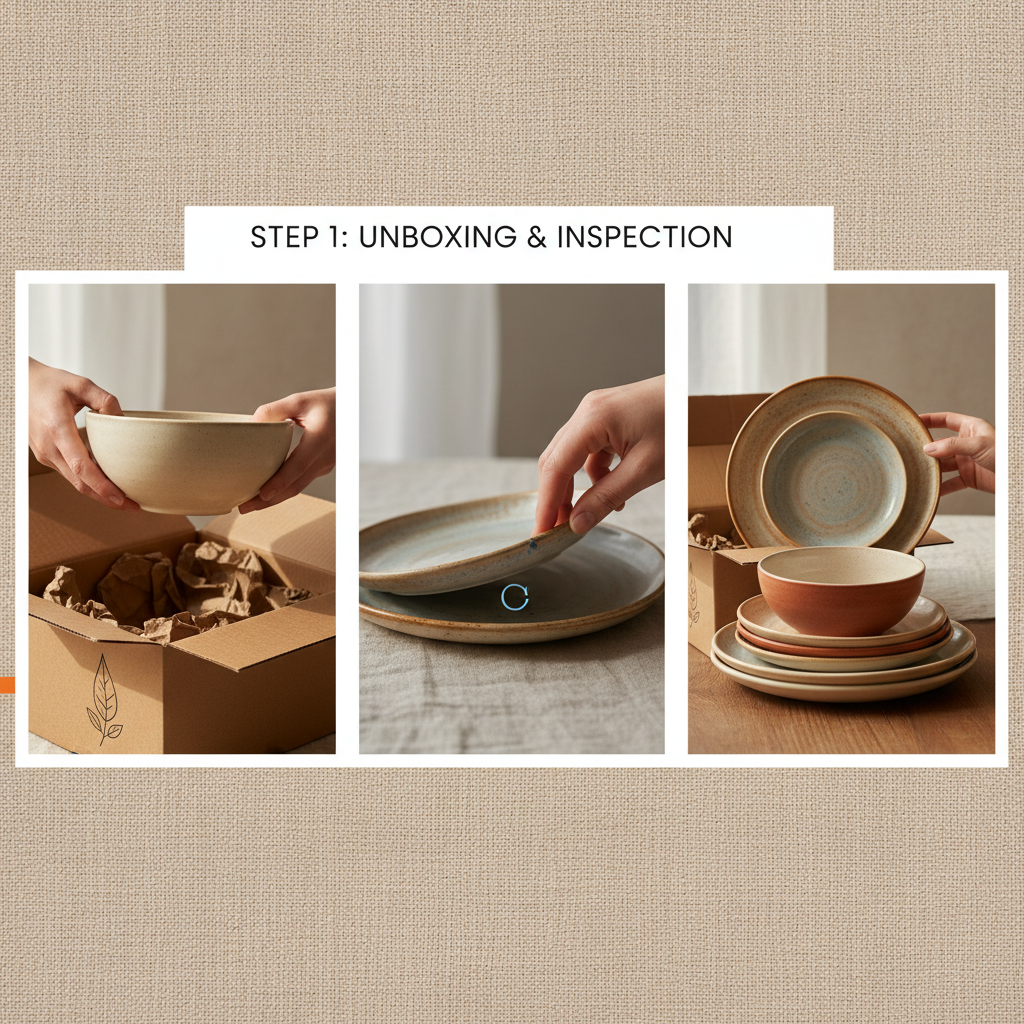
For large orders, we typically ship via sea freight, which is the most cost-effective option. We also offer air freight for urgent orders, but it’s considerably more expensive. Our packaging is designed to maximize protection against breakage. Each piece is individually wrapped in bubble wrap or foam padding, and then packed tightly into sturdy cardboard boxes. We also use corner protectors and packing peanuts to fill any voids. Palletizing and shrink-wrapping are standard procedures.
Ultimately, we’ve talked about trends, materials, testing, and even a bit of on-site drama. The key takeaway is that good chinese porcelain dinnerware isn’t just about looks – it’s about a careful balance of material science, manufacturing expertise, and practical considerations. It’s about understanding how it's going to be used in the real world, not just how it looks in a showroom.
And in the end, whether this thing works or not, the worker will know the moment he tightens the screw. You can have the fanciest designs and the best materials, but if it doesn’t feel right in someone’s hand, if it doesn’t stand up to the rigors of daily use, it’s all for nothing. If you’re looking for reliable chinese porcelain dinnerware, visit our website to explore our catalog and discuss your specific needs.