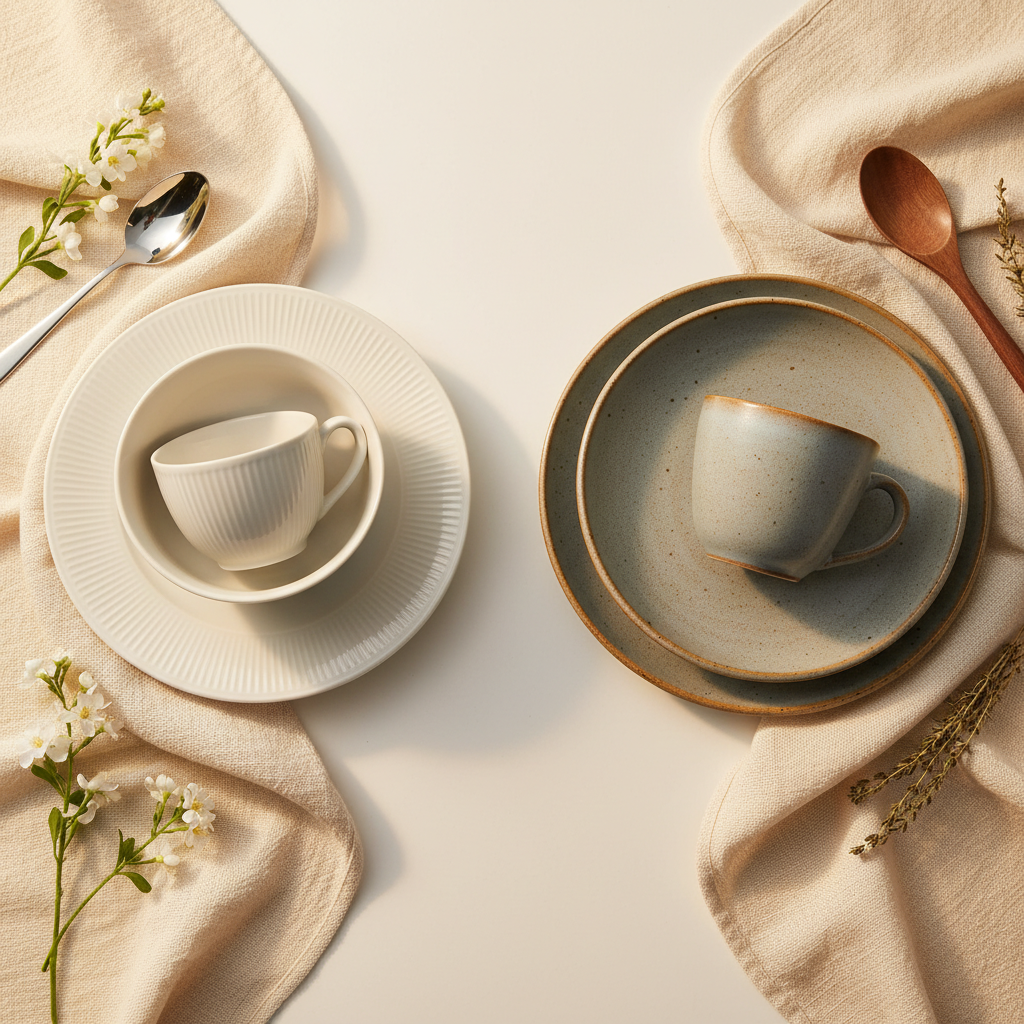
Porcelain dinnerware and stoneware represent two of the most popular choices for tableware globally, each possessing unique characteristics that cater to different needs and preferences. Understanding the distinctions between these materials is crucial for consumers, hospitality businesses, and manufacturers alike. The global dinnerware market is a multi-billion dollar industry, with porcelain and stoneware holding significant shares, driven by factors like increasing disposable incomes and evolving consumer tastes. Making an informed decision regarding porcelain dinnerware vs stoneware impacts not only the aesthetic of a dining experience but also durability, cost-effectiveness, and overall value.
The rise of online retail and direct-to-consumer brands has further intensified the demand for quality dinnerware. Consumers now have access to a wider range of options, making it essential to understand the properties of each material to ensure a purchase aligns with their specific requirements. This knowledge is particularly vital for the hospitality sector, where durability and consistent aesthetic presentation are paramount.
Ultimately, choosing between porcelain dinnerware vs stoneware involves considering a blend of functional needs, aesthetic desires, and budgetary constraints. The optimal choice is contingent on the intended use and the priorities of the buyer.
Introduction: Global or Industry Context
The global market for tableware, encompassing both porcelain dinnerware and stoneware, is heavily influenced by economic trends and lifestyle changes. According to reports, the Asia-Pacific region dominates the market, driven by large populations and increasing disposable incomes. However, demand is rising globally, fueled by the hospitality industry and the trend towards home entertaining. The dinnerware industry impacts resource consumption and waste generation, creating a focus on sustainable practices.
A key challenge within the industry is balancing affordability with durability and aesthetic appeal. Consumers often seek cost-effective options without compromising on quality, which drives manufacturers to innovate with new materials and production techniques. This constant demand necessitates a thorough understanding of the core differences between porcelain dinnerware vs stoneware. Furthermore, the need for specialized dinnerware in commercial settings, such as restaurants and hotels, adds another layer of complexity to the market.
Defining Porcelain Dinnerware and Stoneware
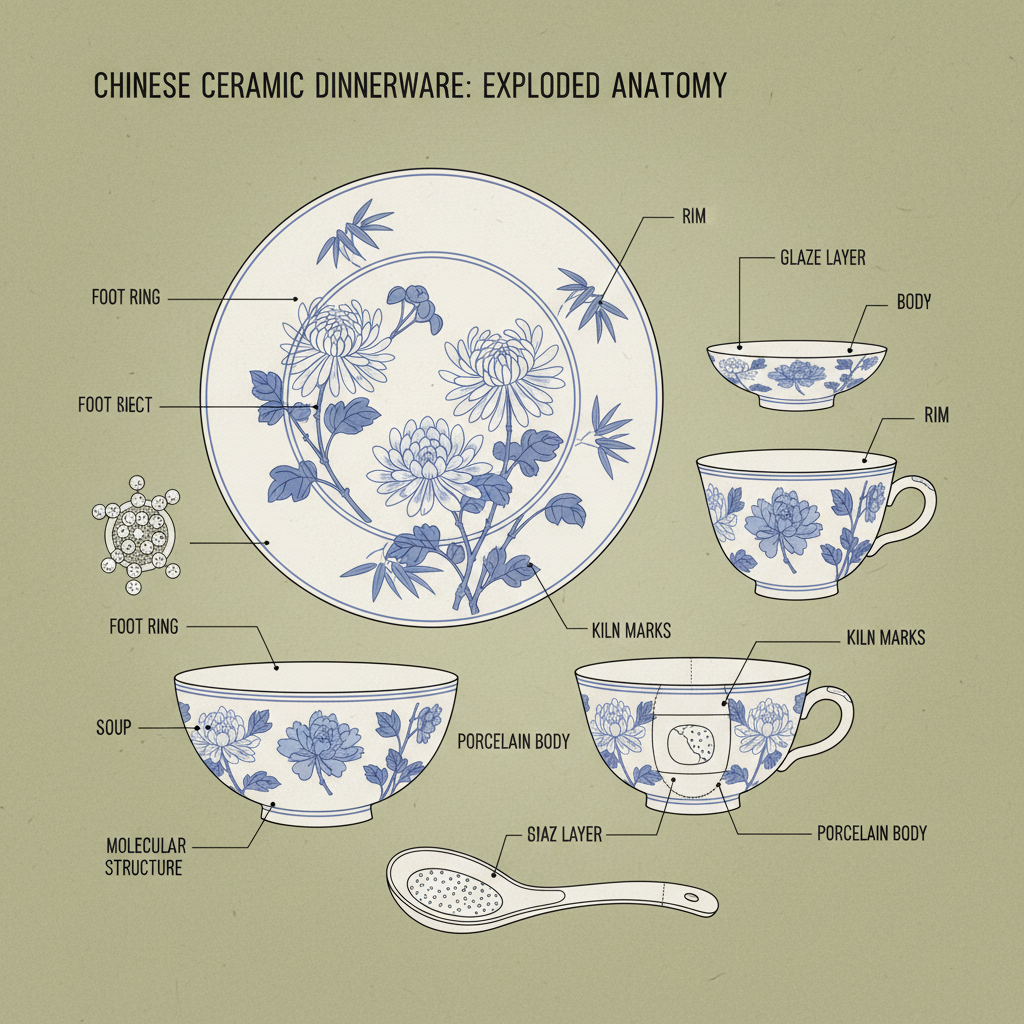
Porcelain dinnerware is crafted from a refined clay called kaolin, fired at very high temperatures. This process results in a non-porous, translucent material known for its elegance and delicacy. True porcelain is often categorized into several types, including hard-paste, soft-paste, and bone china, each with slightly different properties. The production of porcelain requires significant expertise and control over the firing process.
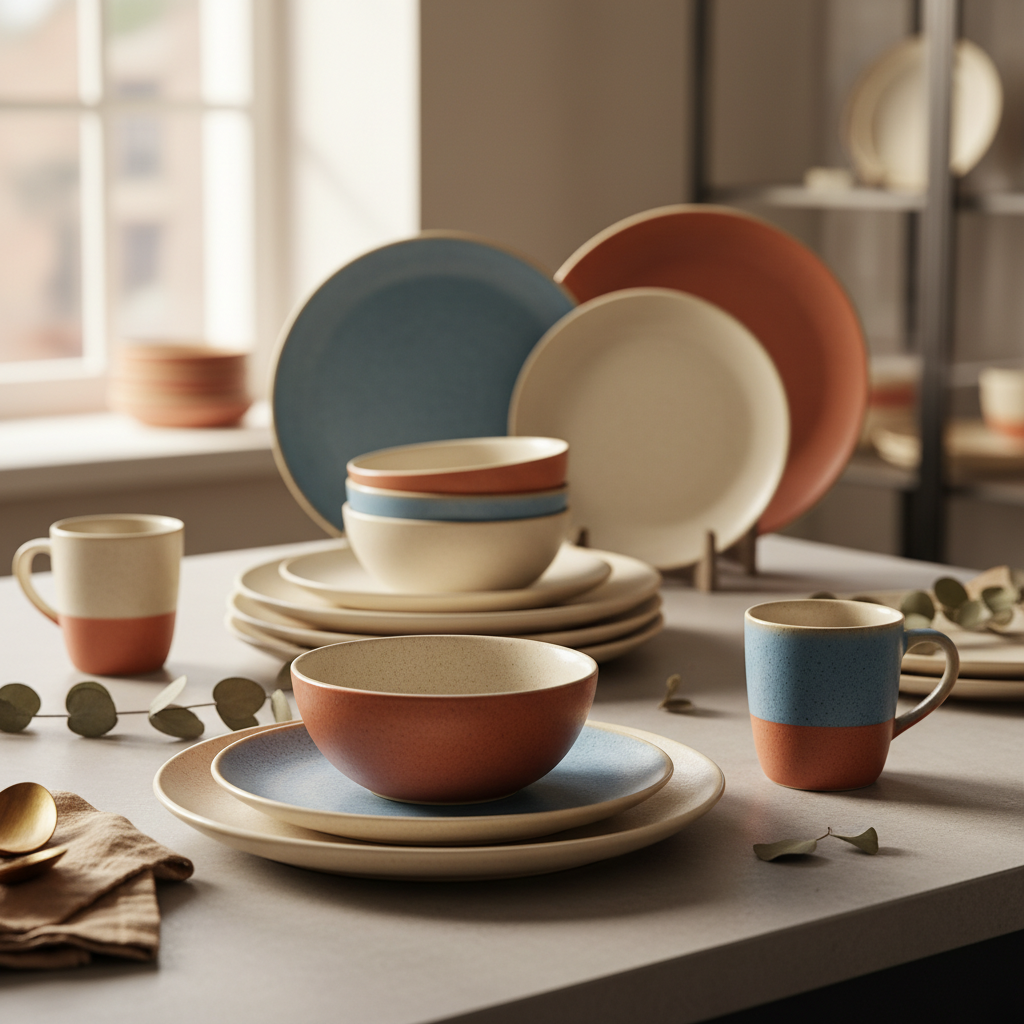
Stoneware, conversely, is made from a coarser clay that is also fired at high temperatures, but generally lower than porcelain. This results in a denser, more durable, and opaque material. Stoneware is often glazed to enhance its appearance and prevent liquids from being absorbed. It’s a more rustic and robust option compared to porcelain.
Understanding these foundational differences in composition and firing processes is critical when considering porcelain dinnerware vs stoneware. Both materials serve the same basic function – holding food – but their inherent qualities dictate their suitability for different applications.
Key Material Properties of Porcelain vs Stoneware
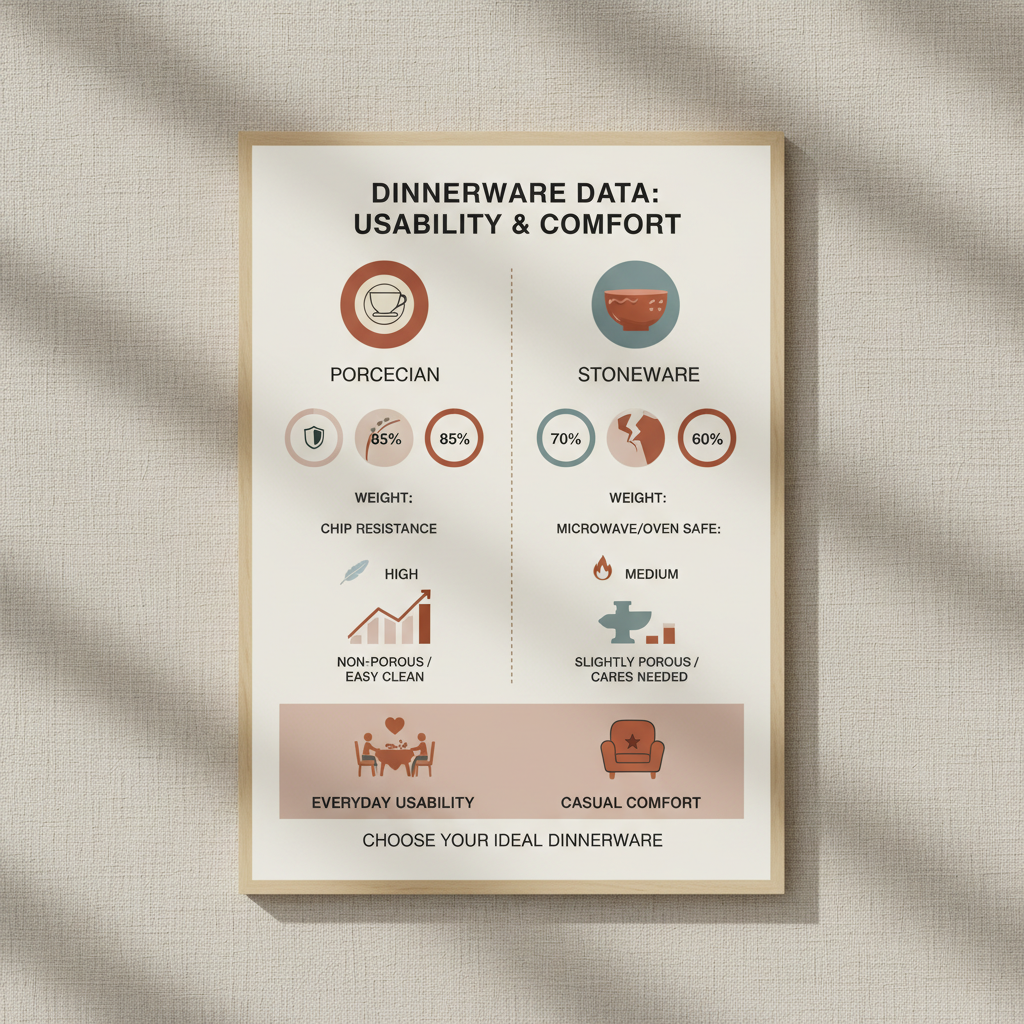
Several key material properties distinguish porcelain dinnerware vs stoneware. Porcelain boasts a higher degree of whiteness and translucency due to its refined clay composition. It also has a lower water absorption rate, making it naturally hygienic and resistant to staining. The firing temperature contributes to its strength, although it's generally more prone to chipping than stoneware.
Stoneware, on the other hand, excels in durability and chip resistance. Its denser structure makes it less fragile and better suited for everyday use. While not as visually refined as porcelain, stoneware often features a more textured surface and can be produced in a wider range of earthy tones. Its higher porosity means it requires glazing for practical use.
These fundamental differences translate into varying performance characteristics in real-world scenarios. Choosing between porcelain dinnerware vs stoneware often hinges on prioritizing aesthetics versus practicality, or a balance between the two. The inherent properties influence factors such as heat retention, weight, and suitability for different cooking methods.
Durability and Resistance Comparison
In terms of durability, stoneware generally outperforms porcelain. Its denser composition makes it less susceptible to chipping, cracking, and breaking under normal use. This makes stoneware an ideal choice for casual dining, family meals, and high-traffic environments like restaurants. The robustness of stoneware is a significant advantage for everyday applications.
While porcelain is more prone to chipping, advancements in manufacturing processes have significantly improved its strength. Bone china, a type of porcelain, is particularly durable due to the addition of bone ash to the clay mixture. However, even bone china requires careful handling to avoid damage. The difference in durability plays a crucial role when comparing porcelain dinnerware vs stoneware.
Durability Ratings: Porcelain Dinnerware vs Stoneware
Practical Applications in Different Sectors
Porcelain dinnerware is frequently favored in fine dining restaurants and upscale hotels, where its elegant appearance and delicate aesthetic contribute to a sophisticated dining experience. It's also popular for formal occasions and special events. The perceived value and refined look of porcelain align with these settings.
Stoneware finds widespread use in casual restaurants, cafes, and family homes. Its durability and resistance to wear and tear make it ideal for daily use and high-volume environments. It's a practical choice where functionality takes precedence over formality, demonstrating the utility of porcelain dinnerware vs stoneware.
Advantages and Long-Term Value
The long-term value of porcelain dinnerware lies in its timeless appeal and potential for heirloom quality. When properly cared for, porcelain can last for generations, becoming a cherished part of a family’s legacy. Its resistance to staining and its ability to retain its pristine appearance contribute to its enduring value.
Stoneware’s value stems from its cost-effectiveness and practicality. It offers a durable and reliable solution for everyday dining without the high price tag of porcelain. This makes it an accessible option for a wide range of consumers. Considering both, porcelain dinnerware vs stoneware provides different value propositions.
From a sustainability perspective, the longevity of both porcelain and stoneware reduces the need for frequent replacements, minimizing waste. The choice between the two also depends on lifecycle cost, including the potential for repairs versus the need for full sets.
Future Trends and Innovations
The future of dinnerware manufacturing is likely to see a greater emphasis on sustainable materials and production processes. Research is underway to develop alternative clays and glazes that minimize environmental impact. Furthermore, advancements in 3D printing technology may allow for customized dinnerware designs and on-demand production.
Another trend is the integration of digital technology into dinnerware. Smart plates equipped with sensors could track food consumption and provide nutritional information. Innovative glazing techniques are also being explored to enhance the functionality and aesthetics of both porcelain dinnerware and stoneware.
The evolving consumer demand for eco-friendly and personalized products is driving these innovations, reshaping the industry and impacting the future of porcelain dinnerware vs stoneware. The push towards more efficient manufacturing methods and closed-loop recycling systems will be critical to the long-term sustainability of the industry.
Table: Comparison of Porcelain Dinnerware vs Stoneware Manufacturing Processes
| Clay Composition |
Firing Temperature (°C) |
Production Complexity |
Environmental Impact |
| Kaolin-based, highly refined |
1200-1400 |
High – requires precise control |
Moderate to High (energy intensive) |
| Coarser clay, less refined |
1100-1300 |
Medium |
Low to Moderate |
| Bone ash addition (Bone China) |
1250-1300 |
Very High – requires specialized expertise |
Moderate to High (animal byproduct) |
| Earthenware clay mixtures |
1000-1100 |
Low |
Lowest |
| Recycled Clay Options Emerging |
Varies depending on composition |
Medium – depends on processing |
Very Low – sustainable alternative |
| Glaze Composition (Lead-free focus) |
N/A |
Medium |
Variable – depends on glaze materials |
FAQS
Generally, stoneware is more affordable than porcelain dinnerware. This is due to the coarser clay used in stoneware production and the lower firing temperatures required. Porcelain, especially bone china, necessitates more refined materials and precise firing processes, driving up the manufacturing cost. However, the long-term value must be considered; a durable porcelain set may last longer, offsetting the initial higher price.
The suitability of porcelain for microwave use depends on its composition and whether it contains metallic decorations. Many modern porcelain sets are designed to be microwave-safe, but it's always best to check the manufacturer's recommendations. Dinnerware with gold or silver accents should generally not be microwaved, as these metals can cause sparking. Stoneware is typically microwave safe, but as with porcelain, check the manufacturer's instructions.
Stoneware is known for its excellent thermal shock resistance, meaning it can withstand significant temperature changes without cracking. This makes it suitable for serving both hot and cold foods. While porcelain is also relatively resistant, rapid and extreme temperature shifts can still cause damage. It's best to avoid taking porcelain directly from the refrigerator and placing it in a hot oven.
Porcelain generally requires less effort to clean due to its non-porous surface, which prevents food particles and stains from adhering easily. Stoneware, being slightly more porous, may require more scrubbing, particularly if it’s not properly glazed. Both materials are dishwasher-safe, but hand washing is recommended for delicate porcelain patterns to prevent chipping.
Both materials have environmental impacts, but they differ. Porcelain production often requires higher energy consumption due to the intense firing temperatures. Stoneware generally uses less energy, but clay mining can disrupt ecosystems. Sustainable practices, like using recycled clay and reducing water usage, are increasingly important for both industries. Choosing brands committed to responsible manufacturing is key.
Yes, bone china is a specific type of porcelain known for its high translucency and strength. It's made by adding bone ash to the kaolin clay mixture during production. This addition makes it exceptionally durable and gives it a distinctive creamy white color. Bone china is generally more expensive than standard porcelain due to the bone ash content and the specialized manufacturing process.
Conclusion
In conclusion, the choice between porcelain dinnerware vs stoneware hinges on individual needs and priorities. Porcelain offers elegance, refinement, and lasting beauty, while stoneware provides durability, practicality, and cost-effectiveness. Understanding the unique properties of each material allows consumers and businesses to make informed decisions that align with their specific requirements. Both materials offer valuable benefits in the broader context of tableware.
Looking ahead, the dinnerware industry will likely see continued innovation in sustainable materials and manufacturing processes. Prioritizing durability, responsible sourcing, and mindful consumption will be essential for minimizing environmental impact and maximizing the long-term value of these timeless tableware options. For quality porcelain and stoneware options, visit our website: www.maixin-kitchenware.com.