The distinction between ceramic plate vs porcelain plates extends beyond mere aesthetics; it’s a cornerstone of culinary presentation and practical durability. Globally, these tableware choices impact everything from fine dining experiences to everyday household usage. Understanding their differences informs purchasing decisions, impacts restaurant branding, and even influences the longevity of kitchenware investments. This knowledge is essential for both consumers and professionals in the food service industry.
The market for plates, encompassing both ceramic and porcelain, is a multi-billion dollar industry, with consistent demand driven by population growth and evolving consumer preferences. According to Statista, the global tableware market was valued at approximately $38.89 billion in 2023 and is projected to reach $48.12 billion by 2029. This continuous demand highlights the importance of understanding the nuances between ceramic plate vs porcelain plates to ensure quality, cost-effectiveness, and suitability for specific applications.
A key challenge within this market is consumer confusion regarding materials and quality. Mislabeling and varying manufacturing standards can lead to dissatisfaction and premature product failure. Therefore, informed decision-making based on a clear understanding of ceramic plate vs porcelain plates is critical for consumers seeking durable and reliable tableware.
Introduction: Global or Industry Context
The global tableware industry is deeply intertwined with cultural traditions, dining habits, and economic factors. Ceramic plate vs porcelain plates represent a significant portion of this market, serving diverse needs ranging from casual family meals to formal banquets. Understanding the global implications of material choices—sourcing, manufacturing, and disposal—is becoming increasingly important in the context of sustainability and responsible consumption.
The food service industry, in particular, relies heavily on durable and aesthetically pleasing tableware. The choice between ceramic plate vs porcelain plates can impact operational costs, brand image, and customer satisfaction. Restaurants, hotels, and catering services require tableware that can withstand rigorous use, maintain its appearance, and comply with hygiene standards.
Definition & Meaning
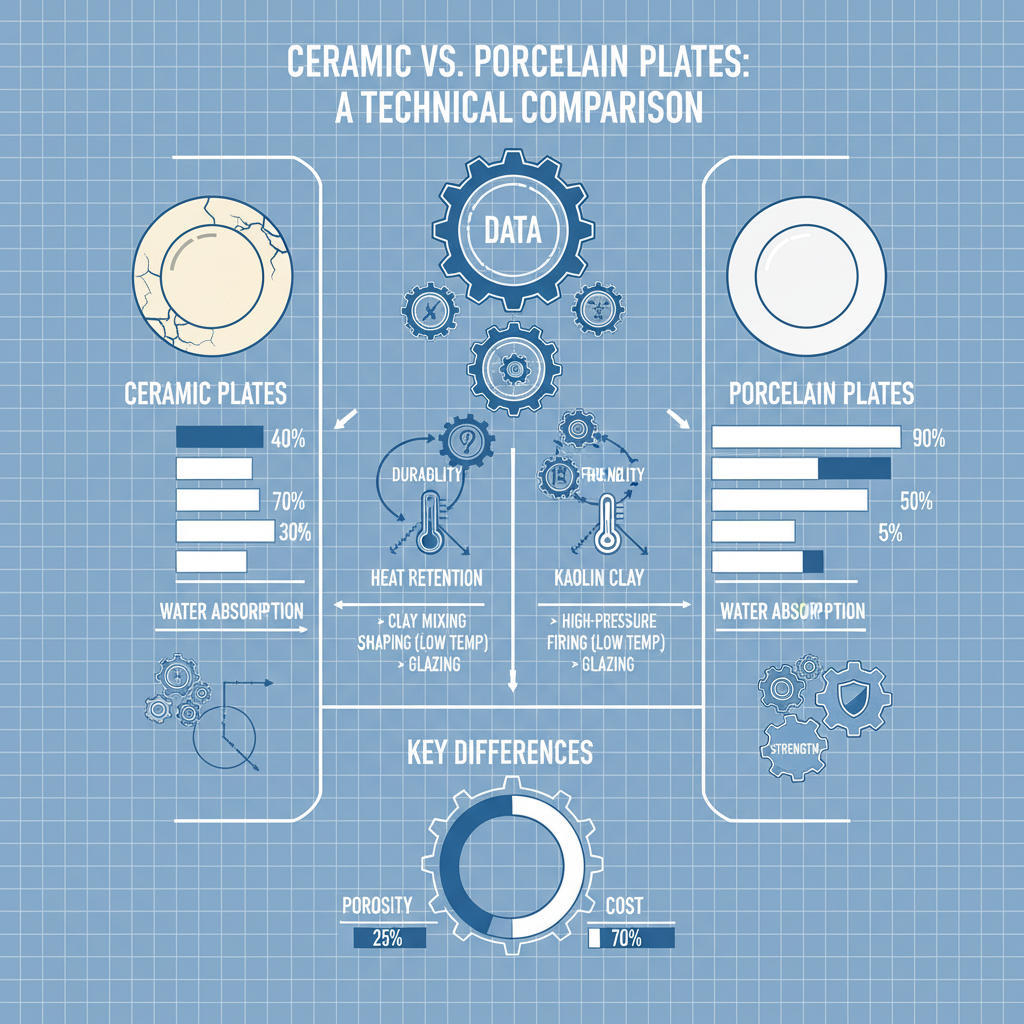
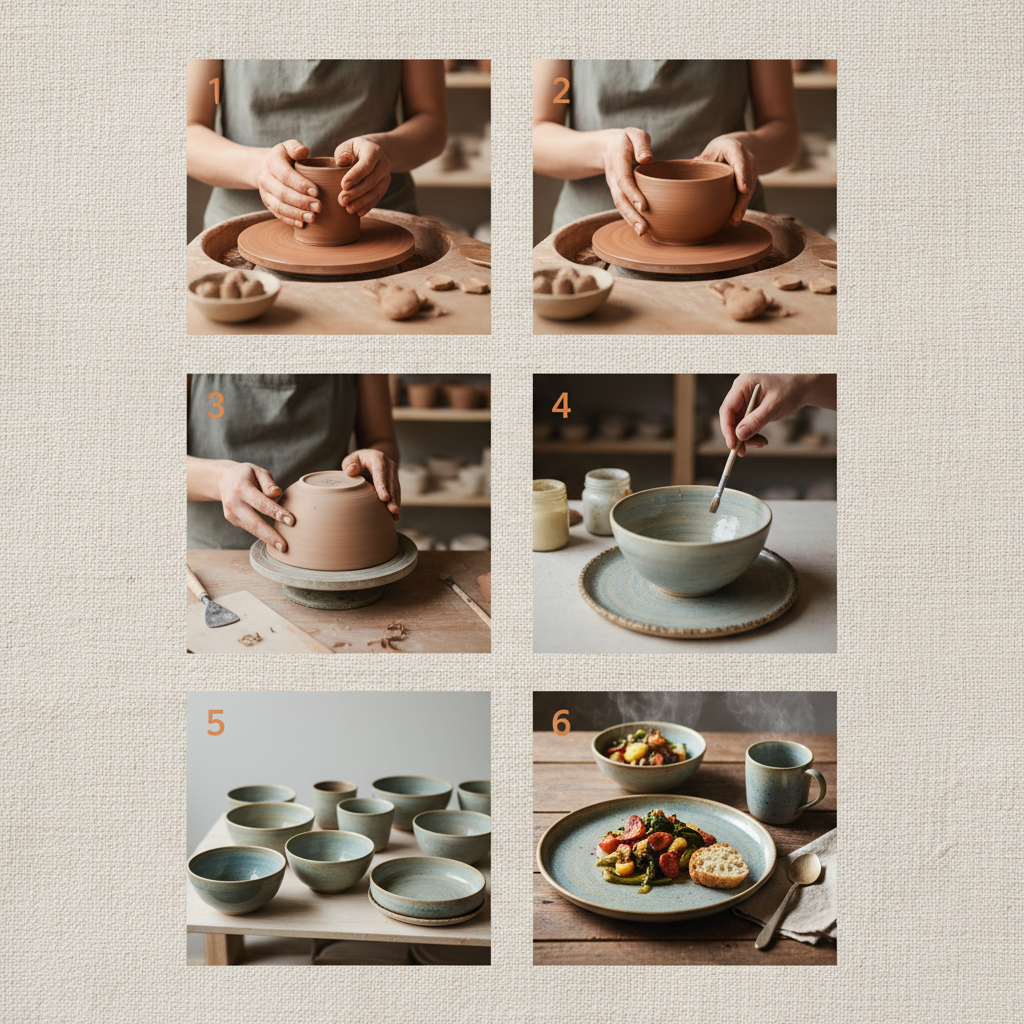
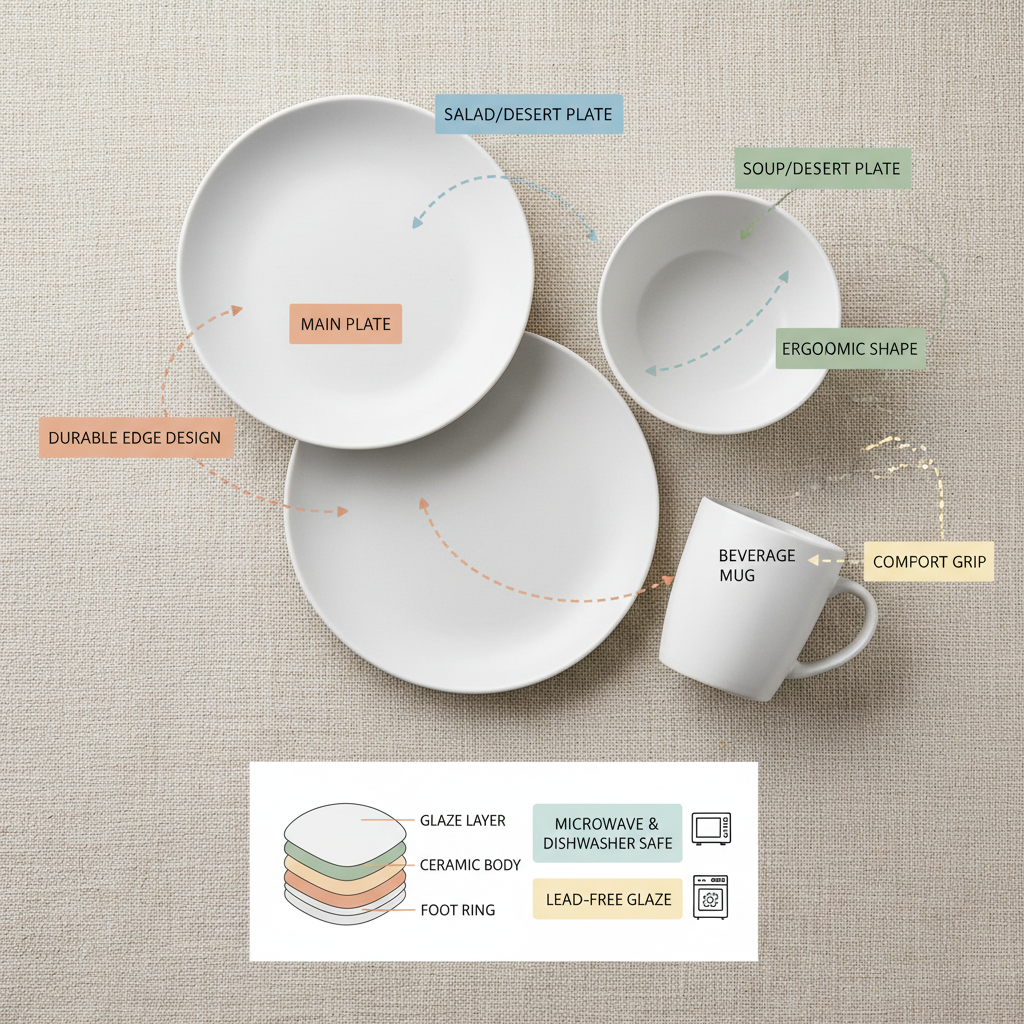
Ceramic plates are generally made from porous clay materials that are fired at lower temperatures. This results in a less dense, more affordable product. They're often coated with glazes to make them waterproof and food-safe. ceramic plate vs porcelain plates, in contrast, are crafted from a refined clay called kaolin, fired at very high temperatures. This process vitrifies the material, creating a non-porous, exceptionally strong, and translucent product.
The significance of this distinction extends beyond the manufacturing process. Porcelain’s density and non-porosity make it resistant to chipping, staining, and bacterial growth – crucial properties in commercial kitchens and healthcare settings. Ceramic, while less expensive, offers a wider range of artistic possibilities in terms of shapes, colors, and designs, making it popular for decorative tableware and artistic expressions.
In modern industry, these materials contribute significantly to the culinary experience. From presenting a beautifully plated dish to ensuring long-lasting durability in high-volume environments, the specific characteristics of ceramic plate vs porcelain plates play a critical role in both functionality and aesthetics.
Key Factors or Core Components
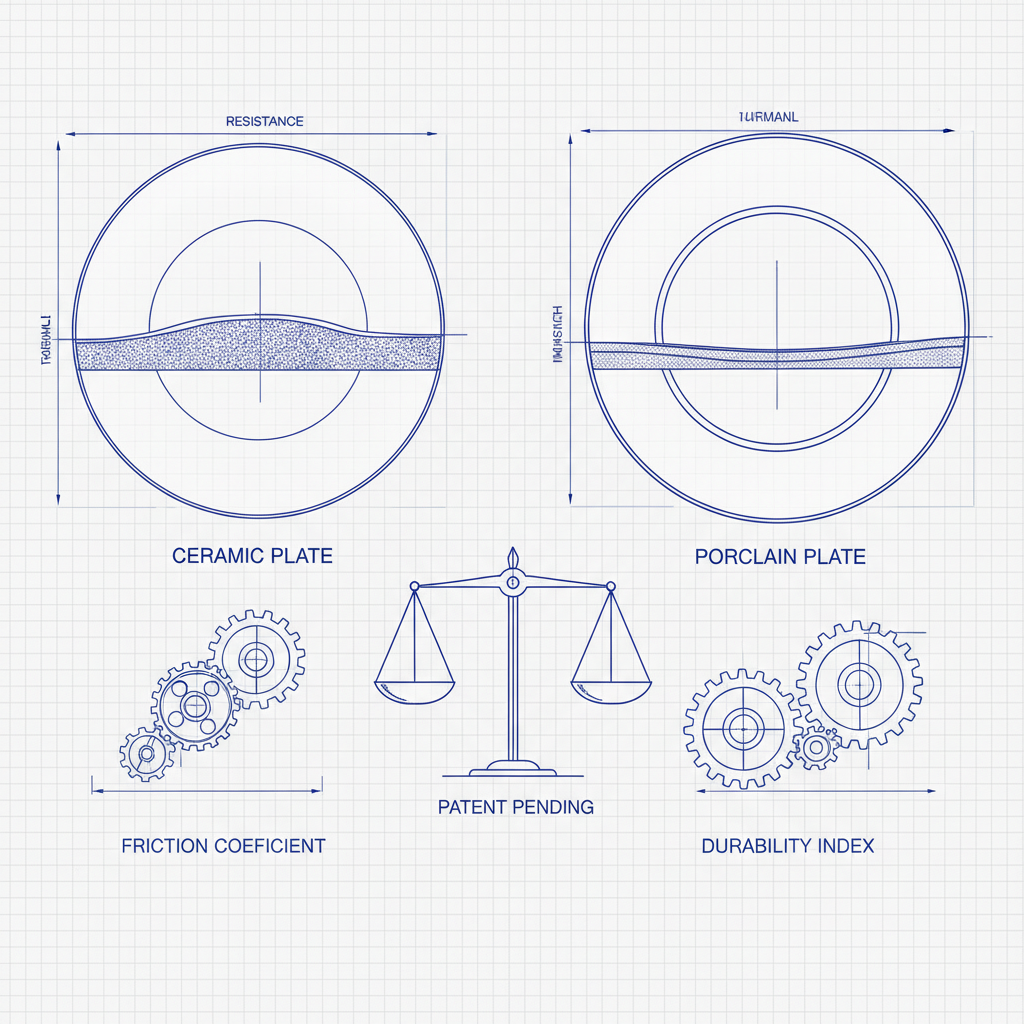
Several core components differentiate ceramic plate vs porcelain plates. Durability is paramount; porcelain’s vitrified structure makes it significantly more chip-resistant than ceramic. Porosity dictates stain resistance and hygiene; porcelain’s non-porous nature prevents bacteria buildup.
Thermal Shock Resistance is another key factor, referring to the ability to withstand sudden temperature changes. While both materials can be susceptible to cracking, higher quality porcelain generally exhibits better resistance. Aesthetic Qualities vary greatly; ceramic offers diverse colors and textures, while porcelain provides a classic, refined look and often translucence. Cost is also a major differentiator, with ceramic typically being more affordable than porcelain. Finally, Weight plays a role, with porcelain generally being heavier due to its density.
These factors directly impact practical applications. For high-traffic restaurants and catering services, durability and hygiene are paramount, making porcelain the preferred choice. For home use and artistic presentations, the aesthetic flexibility and lower cost of ceramic might be more appealing. Understanding these distinctions allows for informed selection based on specific needs and priorities.
Global Applications & Use Cases
Ceramic plate vs porcelain plates find applications worldwide, tailored to varying cultural dining traditions and economic realities. In fine dining restaurants across Europe and North America, porcelain is the standard choice, emphasizing elegance and sophistication. In Asian cultures, both ceramic and porcelain are prevalent, with specific styles and designs reflecting regional artistic heritage.
In the hospitality industry, from hotels to cruise ships, porcelain’s durability and hygiene make it ideal for high-volume use. However, ceramic plates are increasingly used in more casual dining settings, offering a cost-effective alternative. In post-disaster relief operations, lightweight ceramic plates may be favored for their portability and ease of cleaning, although their durability is lower.
Emerging markets in South America and Africa are witnessing growing demand for both ceramic and porcelain tableware as disposable income increases and dining habits evolve. Furthermore, the rise of online food delivery services has increased the need for durable and presentable packaging, impacting the demand for specific types of ceramic plate vs porcelain plates.
Comparison of ceramic plate vs porcelain plates Qualities
Advantages & Long-Term Value
The long-term value of choosing between ceramic plate vs porcelain plates lies in a balance of factors. Porcelain offers superior durability, reducing replacement costs over time, and its non-porous nature contributes to hygiene, minimizing health risks. This translates into substantial cost savings for businesses and a safer dining experience for consumers.
Ceramic’s advantage lies in its versatility and aesthetic appeal. The ability to customize designs and colors enhances brand identity for restaurants and provides a unique dining experience for customers. From a sustainability perspective, both materials can be recycled, although the recycling infrastructure varies by region. However, the longevity of porcelain reduces the overall environmental impact associated with frequent replacements.
Future Trends & Innovations
The future of tableware is leaning towards sustainable materials and innovative manufacturing processes. There's growing research into bio-based ceramics made from renewable resources, offering a more eco-friendly alternative to traditional clay-based materials. Digital printing technologies are also enabling more intricate and customized designs on both ceramic plate vs porcelain plates, catering to evolving consumer preferences.
Furthermore, advancements in glazing techniques are enhancing the durability and stain resistance of ceramic plates. Smart tableware, incorporating RFID tags for inventory management and anti-theft measures, is also emerging as a potential trend, particularly in large-scale food service operations.
Challenges & Solutions
One major challenge facing the industry is the inconsistent quality control in ceramic and porcelain production, particularly from less regulated manufacturing regions. This leads to substandard products that lack durability and pose potential health risks. Solutions include stricter quality certification standards, transparent sourcing practices, and increased consumer awareness.
Another challenge is the high energy consumption associated with firing porcelain at extremely high temperatures. Innovations in kiln technology and the use of renewable energy sources can help mitigate this environmental impact. Finally, improving recycling infrastructure for both ceramic plate vs porcelain plates is crucial for promoting circularity and reducing landfill waste.
Addressing these challenges requires collaboration between manufacturers, regulatory bodies, and consumers, fostering a more sustainable and responsible tableware industry.
Summary of Ceramic vs. Porcelain Plate Attributes
| Attribute |
Ceramic Plate |
Porcelain Plate |
Relative Cost (1-10) |
| Durability |
Moderate |
Excellent |
6 |
| Porosity |
Porous |
Non-Porous |
5 |
| Thermal Shock Resistance |
Lower |
Higher |
7 |
| Aesthetic Versatility |
High |
Moderate |
9 |
| Weight |
Lighter |
Heavier |
4 |
| Initial Cost |
Lower |
Higher |
3 |
FAQS
The primary difference lies in the clay used and firing temperature. Porcelain is made from kaolin clay and fired at much higher temperatures, making it denser, non-porous, and more durable than ceramic, which is made from earthen clays fired at lower temperatures. This translates to better chip resistance, stain resistance, and hygiene for porcelain.
Generally, yes. The higher quality materials and more complex manufacturing process of porcelain contribute to a higher price point. However, price can also vary based on design, brand, and country of origin. Basic ceramic plates can be very affordable, while intricately designed porcelain can be significantly more costly.
For everyday use, both ceramic and porcelain can be suitable. Porcelain is generally preferred for its durability and resistance to wear and tear. However, a well-made ceramic plate can also withstand daily use, especially if handled with care. Consider your lifestyle and budget when making a choice.
Yes, ceramic plates are generally food safe when properly glazed. The glaze creates a protective barrier that prevents leaching of harmful substances into food. However, it's important to ensure the glaze is lead-free and cadmium-free, especially with older or imported ceramics. Look for plates certified as food-safe.
Porcelain plates are relatively easy to care for. Avoid using abrasive cleaners, as they can scratch the surface. Hand washing is recommended for delicate patterns, but many porcelain plates are dishwasher-safe. Avoid sudden temperature changes, as this can cause thermal shock and cracking.
Whether ceramic plate vs porcelain plates can be microwaved depends on the specific product. Look for plates labeled as "microwave-safe." Plates with metallic decorations should never be microwaved. It's generally safer to avoid microwaving delicate or antique ceramic and porcelain pieces, as they may be more susceptible to damage.
Conclusion
In conclusion, understanding the nuances between ceramic plate vs porcelain plates is crucial for making informed decisions based on specific needs and priorities. Porcelain’s durability, non-porosity, and elegance make it ideal for high-end dining and frequent use, while ceramic offers versatility, affordability, and artistic expression. The choice ultimately depends on a careful evaluation of factors such as budget, aesthetic preferences, and intended application.
As the tableware industry evolves, driven by sustainability concerns and technological advancements, expect to see more innovative materials and manufacturing processes. Investing in high-quality tableware, whether ceramic or porcelain, is a long-term investment in both functionality and aesthetics, enhancing the dining experience and reducing environmental impact. Visit our website to explore our collection of premium ceramic and porcelain tableware: www.maixin-kitchenware.com