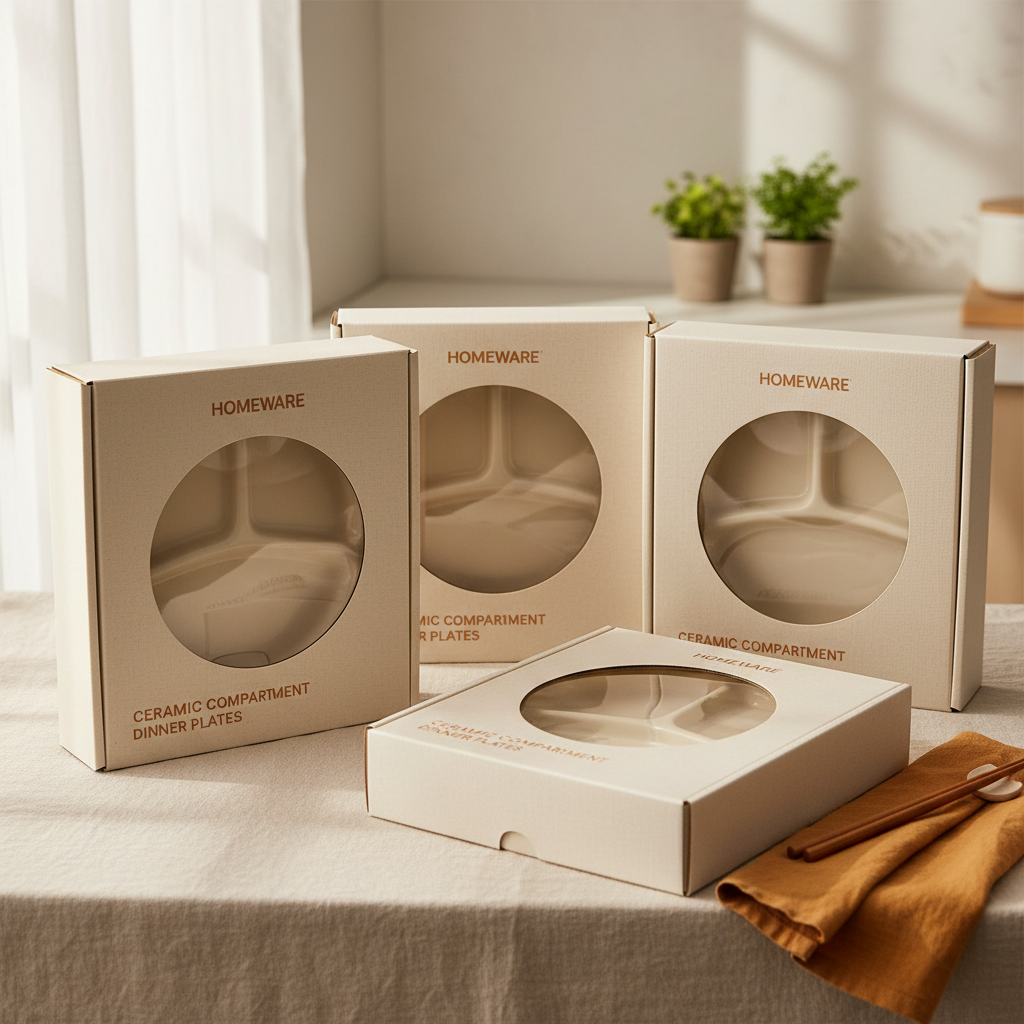
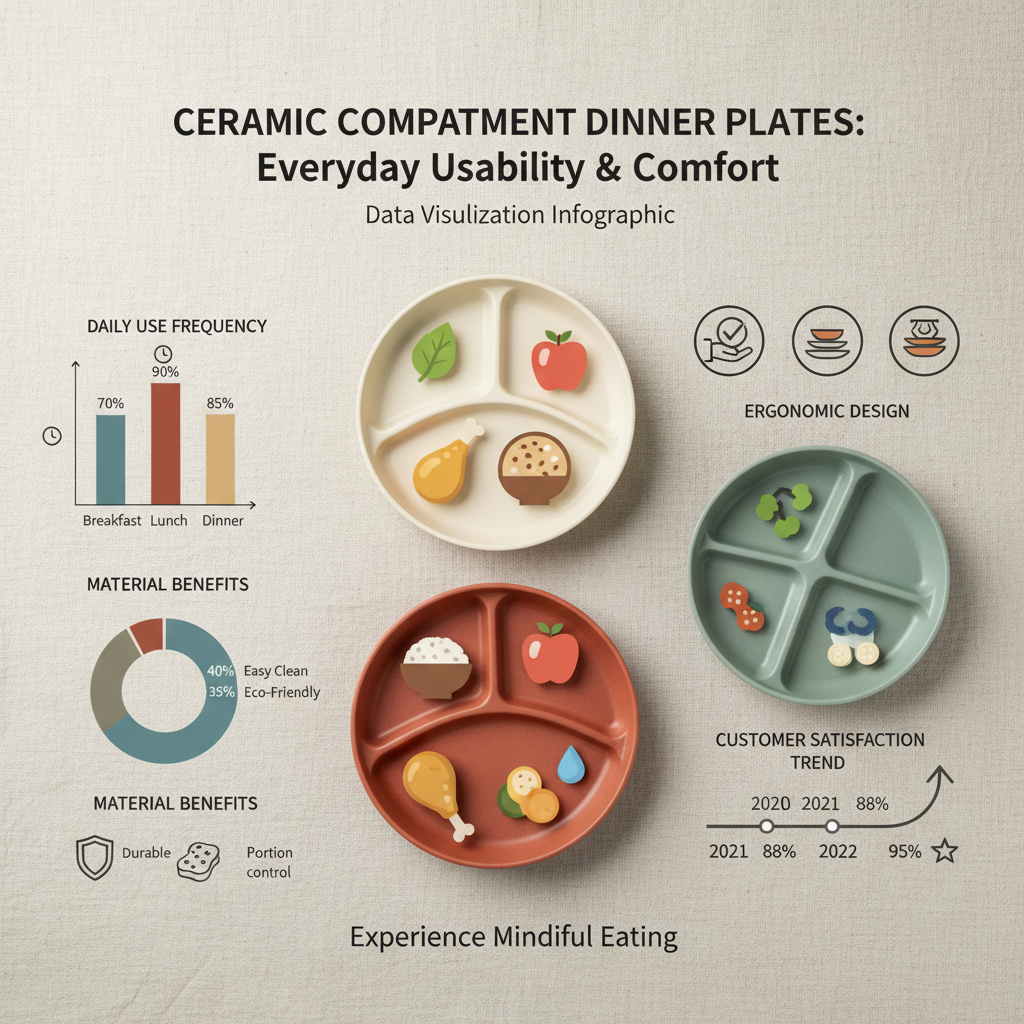
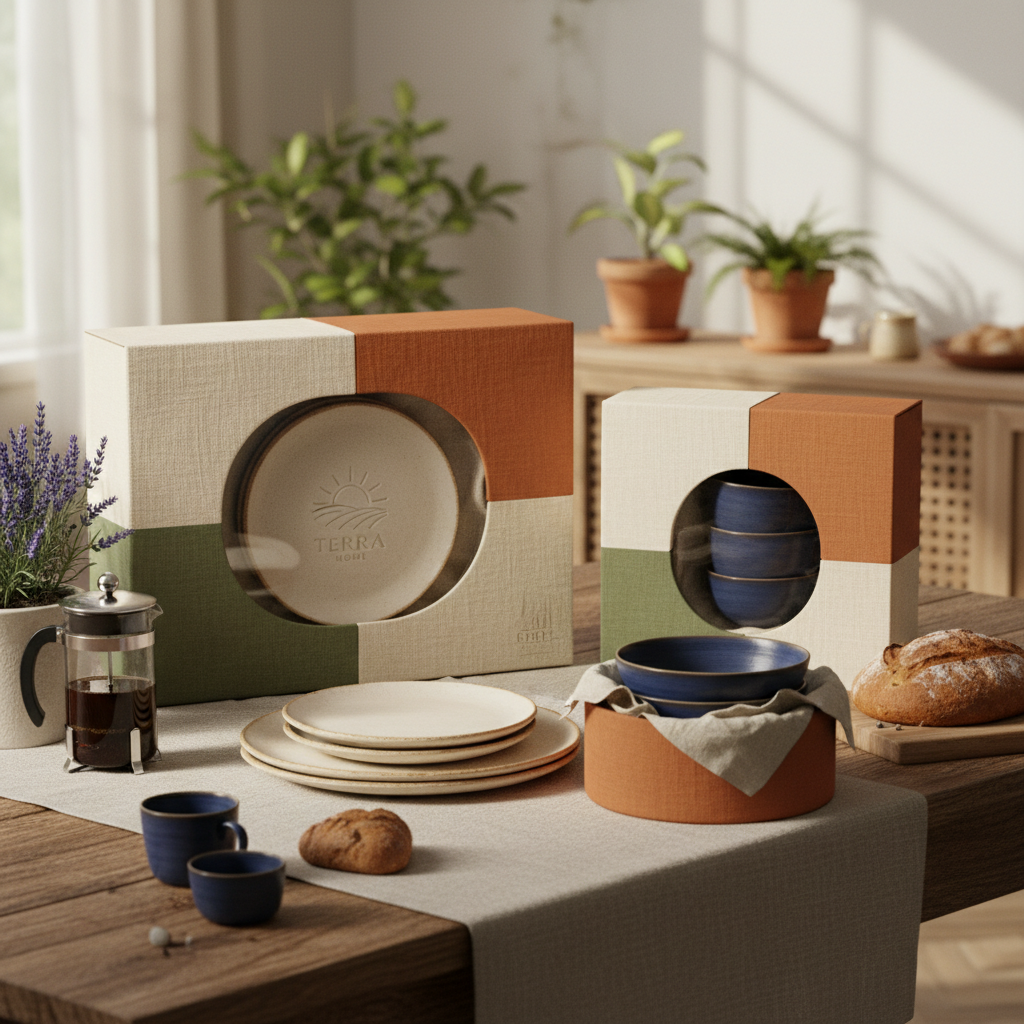
In the evolving landscape of modern tableware, ceramic compartment dinner plates have emerged as a pivotal intersection of functional engineering and aesthetic dining. These specialized vessels are designed to organize various food groups within a single unit, reducing the need for multiple side dishes and streamlining the dining experience for both commercial and residential users.
Beyond mere convenience, the adoption of partitioned ceramics reflects a global shift toward mindful eating and portion control. By providing physical boundaries for different food components, these plates encourage a balanced nutritional intake, making them an essential tool for healthcare facilities, schools, and health-conscious households worldwide.
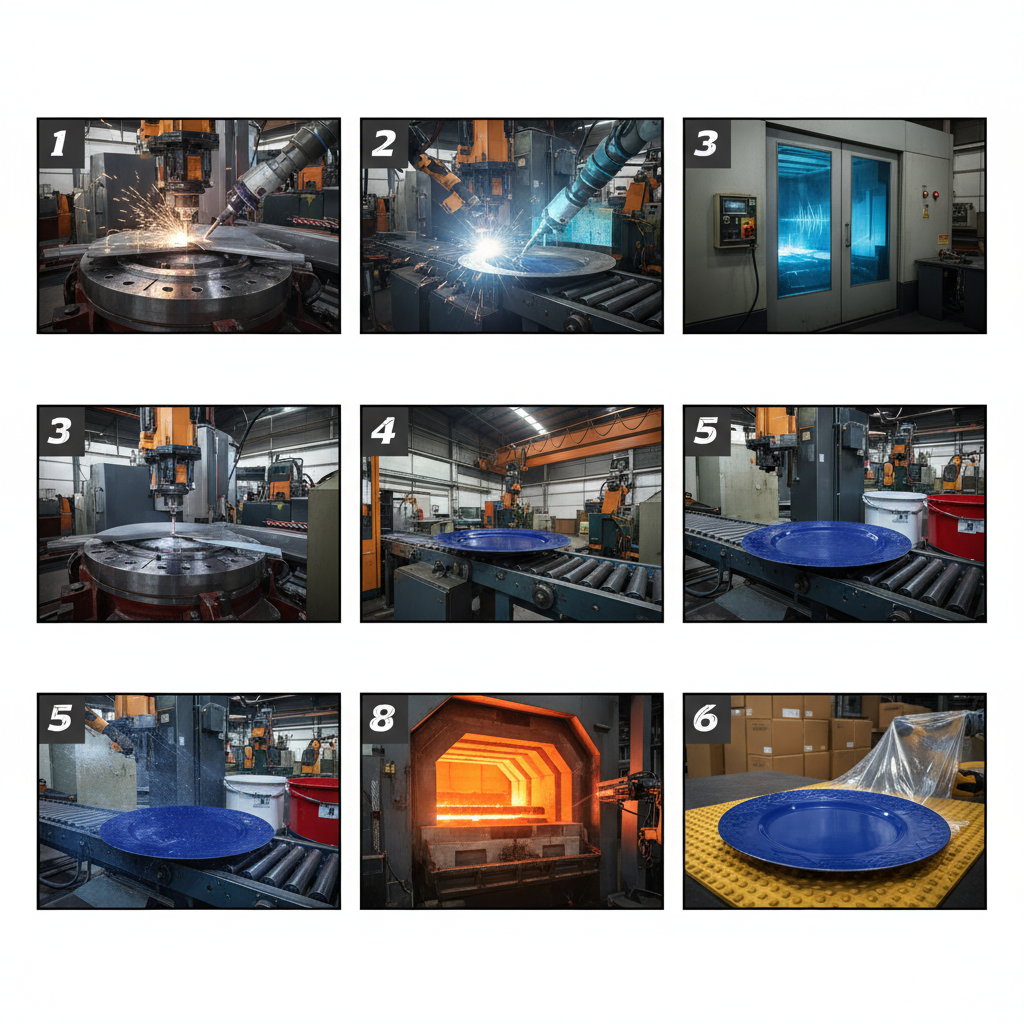
Understanding the manufacturing nuances—from the high-temperature glazing processes to the ergonomic design of the dividers—is crucial for procurement managers and home chefs alike. Investing in high-quality ceramic compartment dinner plates ensures long-term durability, food safety, and a sophisticated presentation that elevates any culinary setting.
Global Market Relevance of Ceramic Compartment Dinner Plates
The global demand for ceramic compartment dinner plates has seen a significant uptick as the hospitality and healthcare sectors prioritize efficiency and hygiene. According to trends observed in ISO-certified kitchenware production, the transition from plastic trays to ceramic alternatives is driven by a growing awareness of BPA-free materials and the superior heat retention properties of stoneware and porcelain.
In regions such as North America and Europe, the rise of specialized diets—including ketogenic and diabetic meal planning—has turned partitioned plates from a niche product into a mainstream necessity. The challenge often lies in balancing the weight of the ceramic with the structural integrity of the dividers, a hurdle that modern metal-industry-inspired molding techniques are now solving.
Defining the Utility of Ceramic Compartment Dinner Plates
At its core, ceramic compartment dinner plates are specialized dining vessels featuring built-in dividers that keep different food items separated. Unlike flat plates, these are engineered to prevent flavor migration—such as preventing a savory sauce from soaking into a fresh salad—thereby preserving the intended taste profile of each component of the meal.
From an industrial perspective, these plates represent a marriage of ceramic chemistry and ergonomic design. They are often crafted from high-grade kaolin or bone china, fired at extreme temperatures to ensure a non-porous surface. This makes them ideal for humanitarian needs, such as in structured nutrition programs where precise caloric distribution is mandatory for recovery and growth.
Modern versions of these plates are no longer just "institutional." With the integration of embossed patterns and glazed finishes, they have entered the luxury home-dining market, offering a way to serve "tapas-style" or multi-course meals on a single, elegant platform, blending the utility of a tray with the sophistication of fine china.
Core Components of High-Quality Partitioned Ceramics
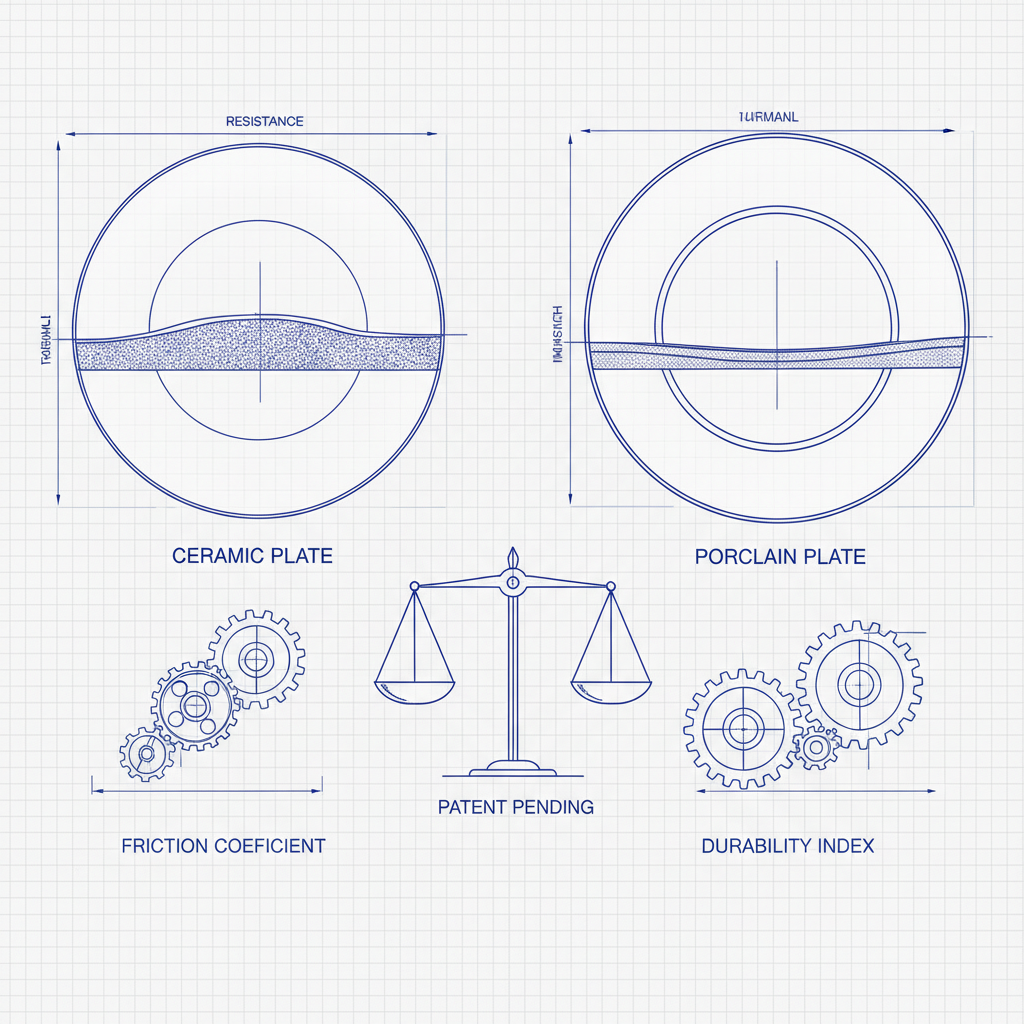
The durability of ceramic compartment dinner plates is primarily determined by the firing temperature. High-fire ceramics resist chipping and thermal shock, which is critical for plates that move from a commercial microwave to a cold countertop.
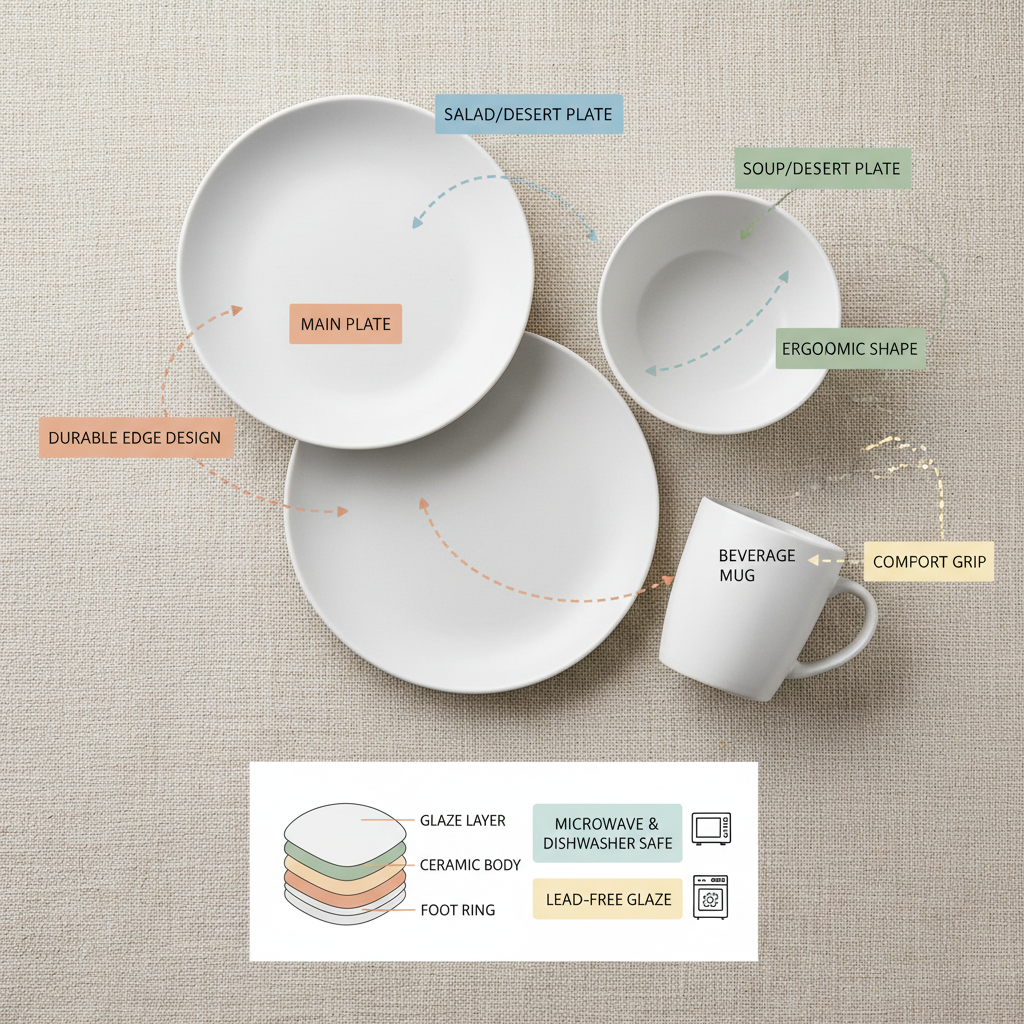
Surface glaze is the second critical component. A lead-free, food-safe glaze not only ensures that ceramic compartment dinner plates are easy to sanitize but also prevents the absorption of odors and stains, which is a common failure point in lower-quality earthenware.
Lastly, the geometric precision of the compartments ensures stability. Properly angled dividers prevent food from sliding during transport, a feature that is particularly vital in assisted living facilities where stability is paramount for patient dignity and safety.
Performance Metrics in Commercial Applications
When evaluating ceramic compartment dinner plates for high-volume environments, stakeholders focus on three main KPIs: breakage rate, dishwasher compatibility, and stackability. Commercial-grade ceramics are designed with reinforced rims to withstand the rigors of industrial cleaning cycles.
The economic viability of these plates is often measured by their lifecycle cost. While the initial investment in premium ceramic is higher than plastic, the longevity and health benefits provide a superior return on investment over a five-year period.
Efficiency Rating of Different Ceramic Compartment Dinner Plates Types
Global Use Cases and Industry Adoption
In the healthcare sector, particularly in European rehabilitation centers, ceramic compartment dinner plates are used to implement strict dietary protocols. By separating proteins, carbohydrates, and vegetables, nutritionists can ensure that patients adhere to specific caloric limits without the need for complex weighing during the actual meal.
Similarly, in the high-end corporate catering industry in Asia, these plates are utilized for "Executive Bento" presentations. The use of ceramic over traditional lacquerware provides a modern, clean aesthetic that aligns with corporate branding while ensuring the food remains at the optimal temperature for longer durations.
Long-term Value and Sustainability Benefits
The shift toward ceramic compartment dinner plates is a significant victory for environmental sustainability. By replacing single-use disposable partitioned trays, large institutions can reduce their plastic waste by thousands of tons annually, contributing directly to global ESG (Environmental, Social, and Governance) goals.
Beyond the ecological impact, there is a profound psychological benefit. Serving food on ceramic plates rather than plastic or metal improves the perceived value of the meal, fostering a sense of dignity and wellness for the diner. This emotional connection to the dining experience is often overlooked but is a key driver in patient recovery and employee satisfaction.
From a financial perspective, the reliability of vitrified ceramics means fewer replacements and lower operational costs over time. The resistance to scratching and staining ensures that the plates maintain a "like-new" appearance, reducing the frequency of inventory turnover.
Future Innovations in Compartmentalized Tableware
The next generation of ceramic compartment dinner plates is likely to incorporate "smart" materials. We are seeing research into thermal-conductive ceramics that can keep the protein compartment warm while keeping the vegetable compartment cool, all within the same piece of tableware.
Digital transformation is also hitting the factory floor. 3D ceramic printing allows for hyper-customized compartment sizes tailored to specific medical diets, enabling hospitals to order plates that perfectly match the volume of their prescribed meal plans.
Furthermore, the integration of sustainable sourcing—using recycled ceramic waste to create new "circular" plates—is becoming a priority. This ensures that the production of ceramic compartment dinner plates remains eco-friendly from raw material extraction to end-of-life disposal.
Comparative Analysis of Ceramic Partitioning Technologies
| Material Type |
Thermal Retention |
Impact Resistance |
Production Cost |
| High-Fire Porcelain |
Excellent |
High |
Premium |
| Vitrified Stoneware |
Very Good |
Very High |
Moderate |
| Bone China |
Good |
Medium |
High |
| Earthenware |
Moderate |
Low |
Low |
| Alumina Ceramic |
Superior |
Extreme |
Very High |
| Recycled Ceramic |
Good |
Medium |
Moderate |
FAQS
Yes, most professional-grade ceramic compartment dinner plates are made from vitrified porcelain or stoneware, which are designed to withstand high temperatures in microwaves and the harsh detergents of industrial dishwashers. Always check if the plate has any metallic gold or platinum rims, as these can cause sparking in a microwave.
These plates provide visual and physical boundaries that prevent "portion creep." By assigning specific compartments to proteins, vegetables, and grains, users are naturally guided to follow nutritional guidelines (such as the 50-25-25 rule) without needing a scale, making them ideal for weight management and medical diets.
Porcelain is generally more translucent, thinner, and fired at higher temperatures, making it very dense and non-porous. Stoneware is typically thicker, more opaque, and offers a more rustic aesthetic. While both are durable, porcelain is often preferred for high-end dining, whereas stoneware is prized for its ruggedness in casual or institutional settings.
Absolutely. ceramic compartment dinner plates are widely used in catering for "tasting menus" or structured meal delivery. Their ability to keep food items separate prevents sogginess and ensures that the presentation remains intact from the kitchen to the customer's table.
To maximize the lifespan of partitioned ceramics, avoid stacking plates of different sizes or weights. Use dedicated plate racks or spacers in commercial settings. Selecting plates with reinforced rims and "rounded" divider edges significantly reduces the risk of chipping during high-volume handling.
Yes, ceramic is a natural material that is completely BPA-free and non-toxic. Unlike plastic trays, which degrade over time and release microplastics into food, ceramic plates are incredibly long-lived. By eliminating the need for disposable plastic liners or trays, they significantly reduce the carbon footprint of dining operations.
Conclusion
In summary, ceramic compartment dinner plates represent a sophisticated blend of health-conscious design and industrial durability. From promoting balanced nutrition through intuitive portion control to offering a sustainable, plastic-free alternative for global institutions, these plates solve real-world challenges in the modern culinary landscape. Their value lies not just in their physical structure, but in the efficiency and dignity they bring to the act of eating.
Looking forward, the integration of smart materials and circular manufacturing will further solidify the role of partitioned ceramics in the global market. Whether you are upgrading a hospital's dining hall or refining a home kitchen's organization, choosing high-quality ceramic ensures a future-proof investment in health and sustainability. To explore our full range of premium dinnerware solutions, visit our website: www.maixin-kitchenware.com