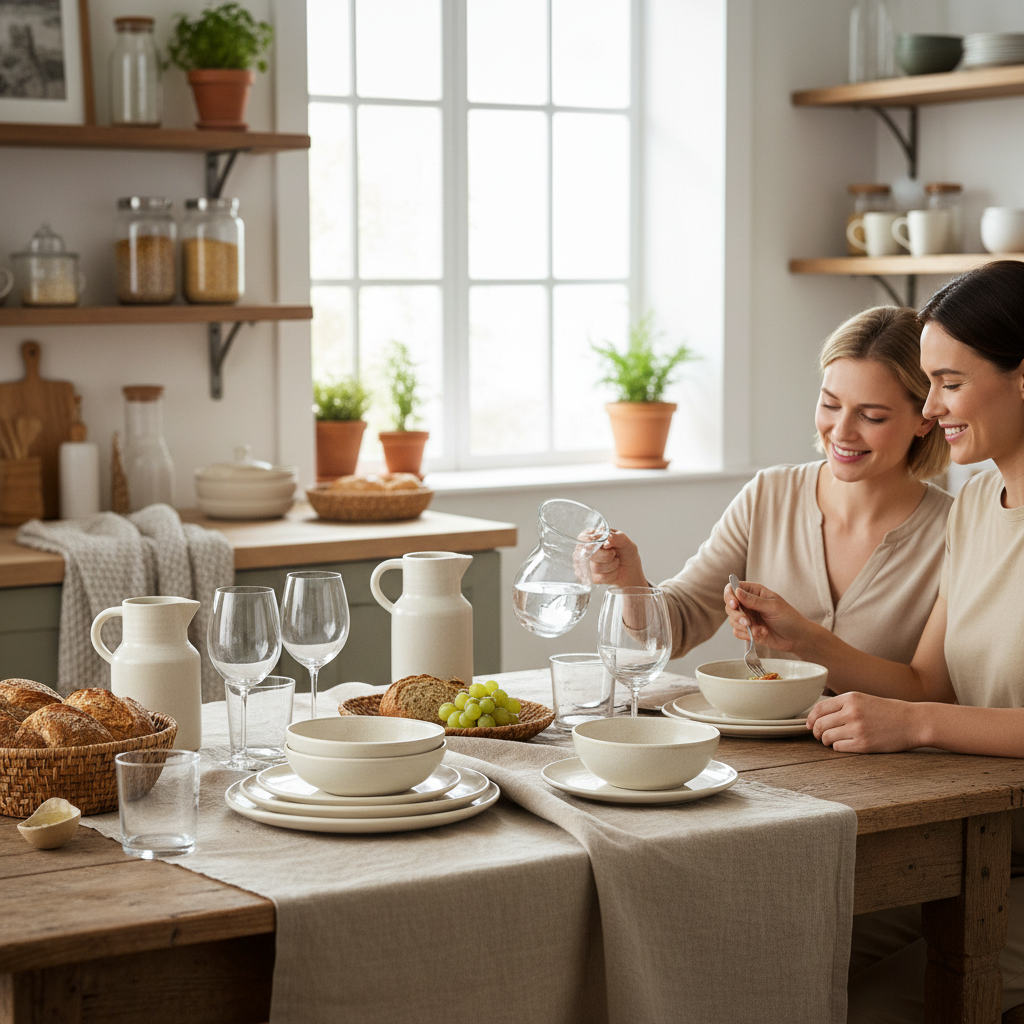
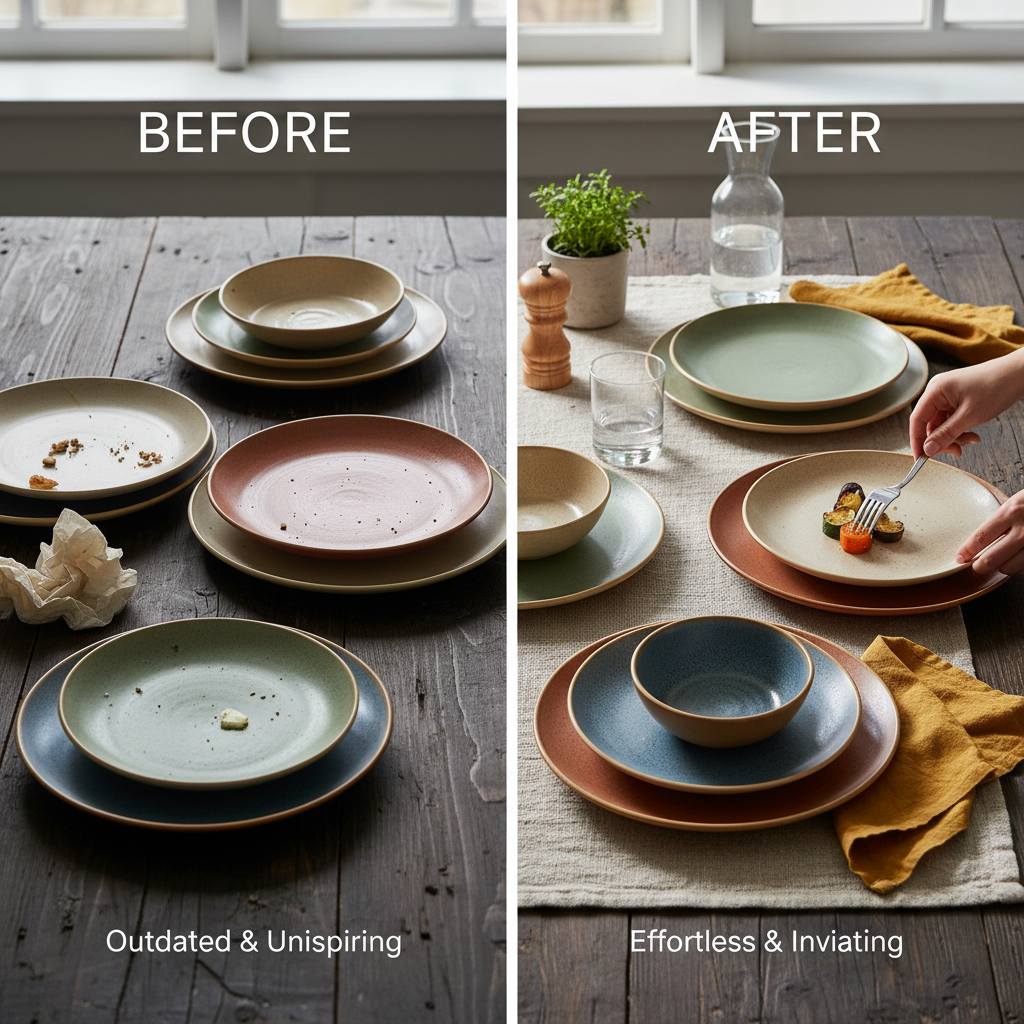
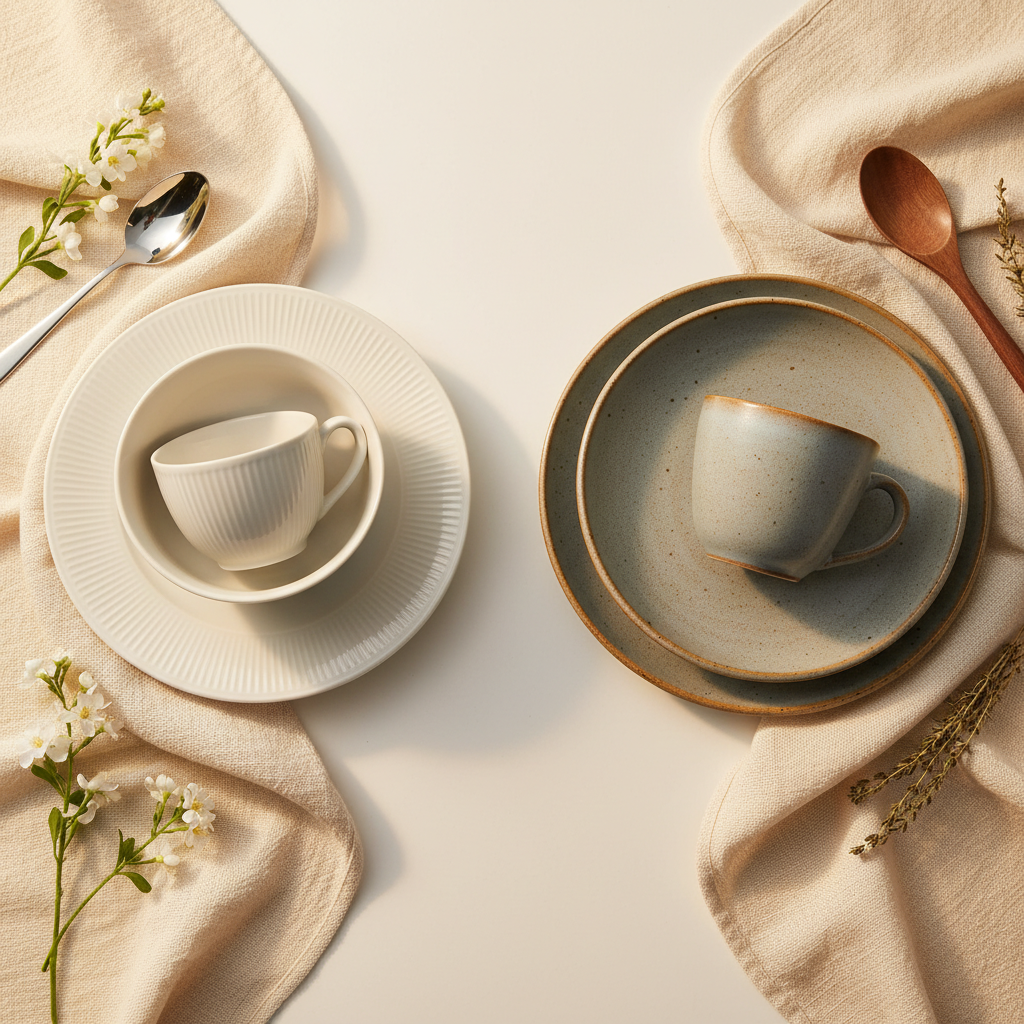
Selecting the right plates ceramic dinnerware is more than a matter of aesthetics; it is an investment in the longevity of your dining experience and the presentation of your culinary creations. From the tactile feel of the glaze to the thermal resilience of the material, high-quality ceramic plates bridge the gap between functional utility and artistic expression in the modern home.
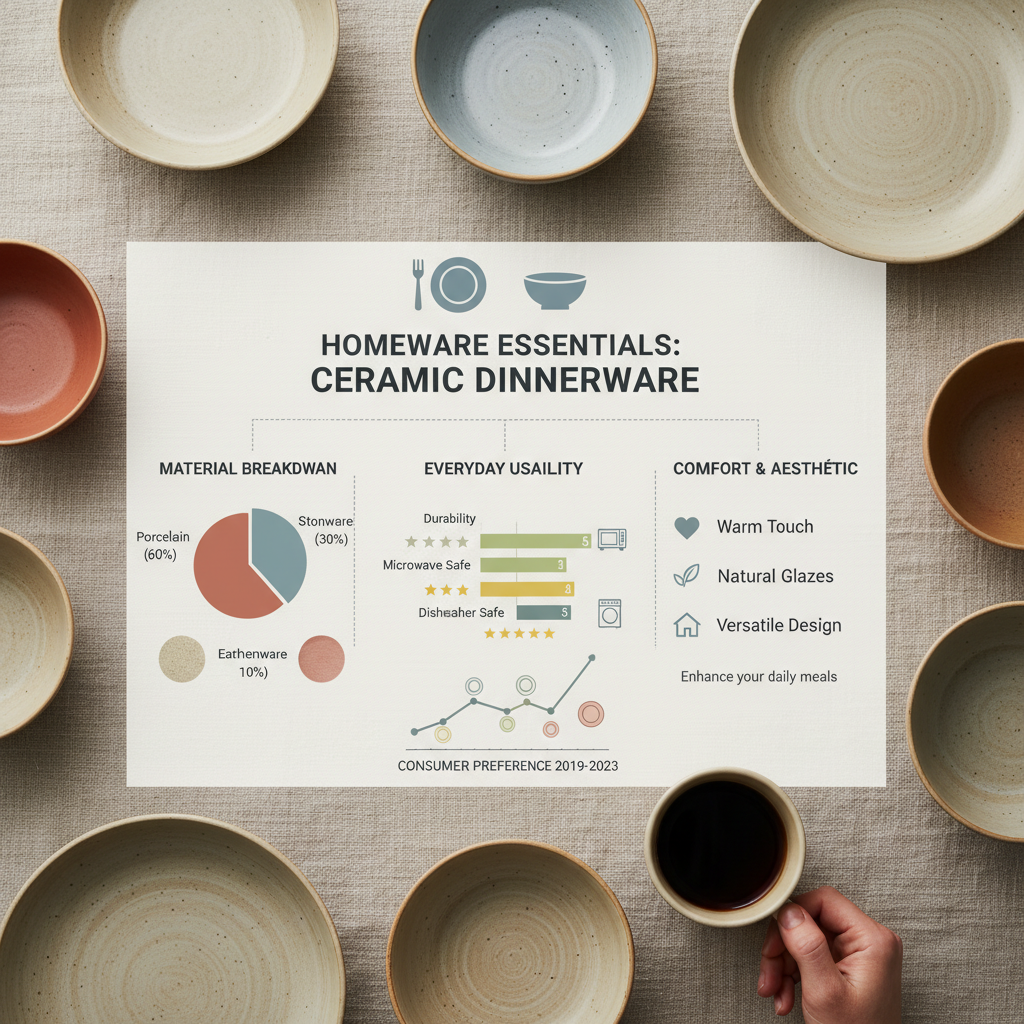
In the global market, the demand for premium ceramic tableware has surged as consumers move away from disposable plastics toward sustainable, long-term solutions. Understanding the nuances of material composition—such as the difference between stoneware, porcelain, and bone china—allows homeowners and hospitality professionals to optimize their kitchen inventory for both durability and style.
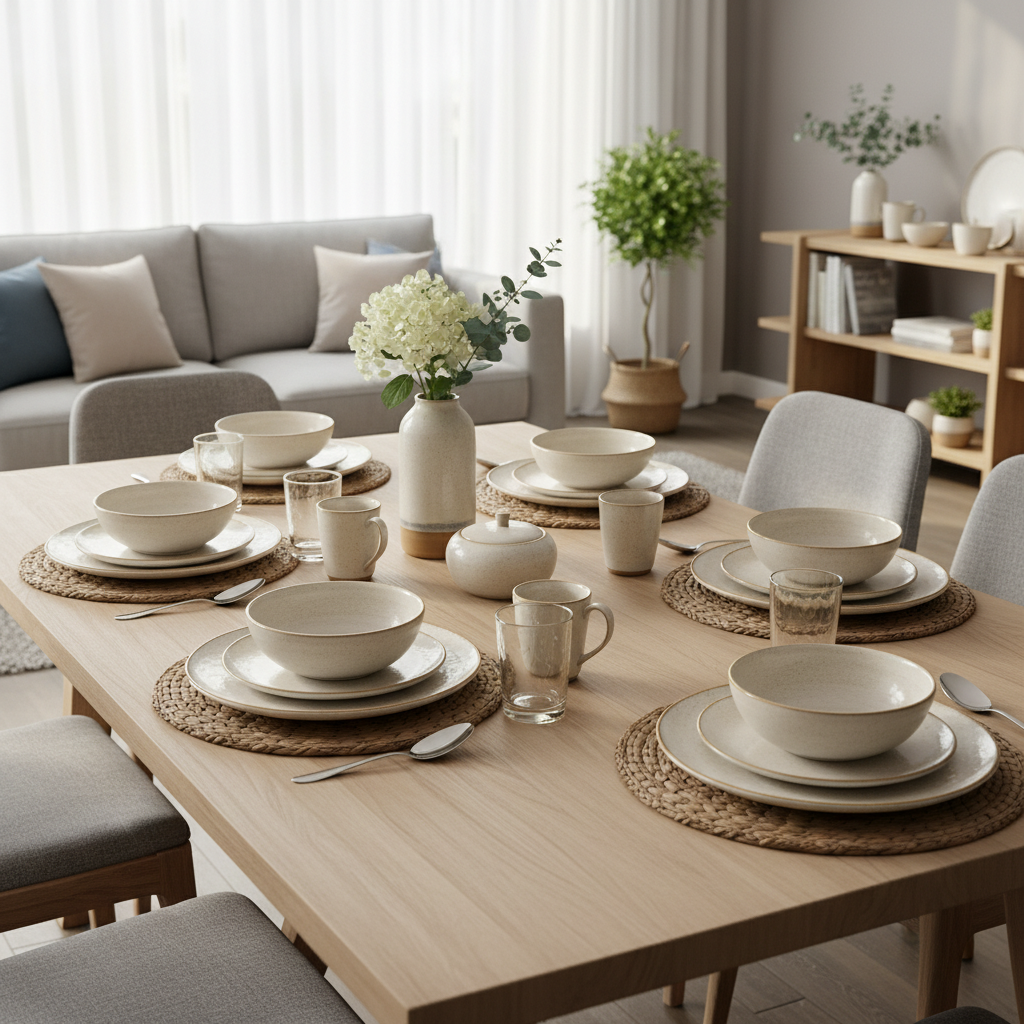
Whether you are designing a minimalist Scandinavian table setting or a lavish banquet, the choice of plates ceramic dinnerware dictates the mood and perceived value of the meal. By exploring the technical specifications and design trends of the industry, one can ensure a balance between daily resilience and sophisticated elegance.
Global Market Trends for Plates Ceramic Dinnerware
The global landscape for plates ceramic dinnerware has shifted significantly toward a blend of traditional craftsmanship and industrial precision. Market data indicates a rising preference for "artisan-style" plates—those that feature slightly irregular edges or reactive glazes—which provide a human touch in an increasingly digital world.
This trend is driven by a broader cultural movement toward mindful eating and sustainable living. As ISO standards for food-safe ceramics become more stringent, manufacturers are innovating with lead-free and cadmium-free glazes to ensure that health and safety are prioritized alongside visual appeal.
Material Science and Ceramic Classification
At its core, plates ceramic dinnerware is categorized by the temperature at which the clay is fired and the minerals used in the body. Earthenware, fired at lower temperatures, is porous and often requires a glaze to be waterproof, making it ideal for rustic, decorative pieces.
Stoneware offers a middle ground, providing a denser, more chip-resistant structure that is highly favored for daily household use. Its ability to retain heat makes it an excellent choice for serving warm meals, ensuring that the dining experience remains pleasant from the first bite to the last.
Porcelain and Bone China represent the pinnacle of ceramic refinement. Through the use of kaolin clay and higher firing temperatures, these materials achieve a translucency and strength that allows for thinner, more elegant profiles without sacrificing structural integrity.
Key Factors in Selecting Durable Dinnerware
When evaluating plates ceramic dinnerware, the first priority is typically thermal shock resistance. This is the material's ability to withstand rapid temperature changes—such as moving a plate from a warm oven to a cool countertop—without cracking.
Mechanical durability is another critical factor, specifically the hardness of the glaze. A high-quality glaze on plates ceramic dinnerware prevents "cutlery marking," those grey streaks left by stainless steel knives, maintaining the pristine look of the set over years of use.
Finally, porosity plays a vital role in hygiene. Non-porous ceramics prevent the absorption of food odors and bacteria, making them the gold standard for professional kitchens and health-conscious homes alike.
Performance Comparison of Ceramic Types
To truly understand the value proposition of different plates ceramic dinnerware options, one must look at the quantitative trade-offs between weight, strength, and heat retention. While porcelain is the strongest, stoneware often provides a more "homely" feel and superior heat capacity.
The following data represents a comparative analysis of various ceramic materials based on industry performance benchmarks, focusing on their utility in high-traffic dining environments.
Ceramic Material Performance Metrics
Commercial Applications in Hospitality
In the hospitality sector, plates ceramic dinnerware must withstand the rigors of industrial dishwashers and constant stacking. Hotels and Michelin-starred restaurants often opt for vitrified ceramics, which are fired at extremely high temperatures to eliminate porosity and maximize impact resistance.
Beyond durability, the psychological impact of the dinnerware is paramount. A heavy, well-balanced plate communicates stability and luxury, while a delicate, translucent porcelain plate suggests exclusivity and refinement. This strategic choice helps establishments align their physical assets with their brand identity.
Sustainability and Eco-Friendly Manufacturing
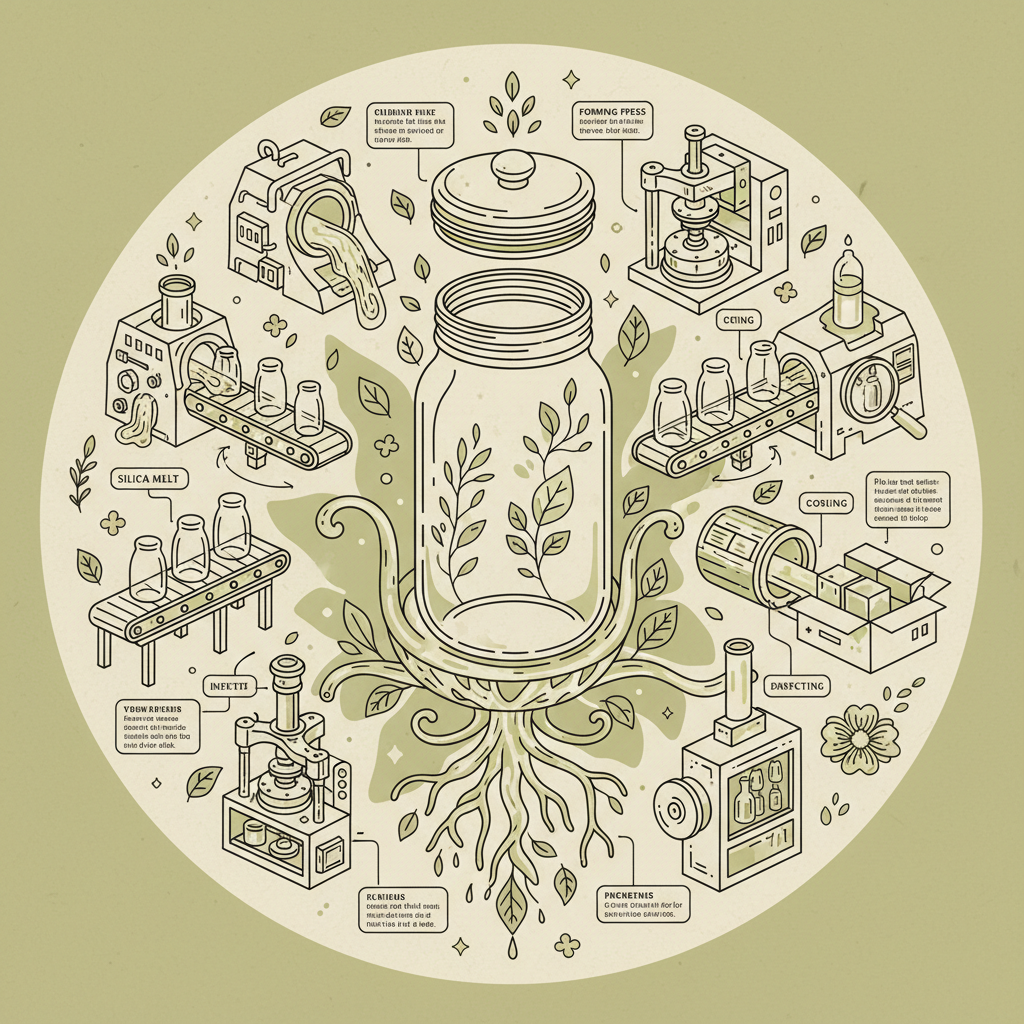
The shift toward green manufacturing has fundamentally changed how plates ceramic dinnerware is produced. Many leading factories are now implementing closed-loop water systems and utilizing recycled ceramic scraps (grog) to reduce raw material extraction and waste.
Furthermore, the energy-intensive nature of kilns is being addressed through the adoption of electric kilns powered by renewable energy sources. This reduces the carbon footprint of every plate produced, appealing to a growing demographic of eco-conscious consumers who demand transparency in the supply chain.
Biodegradable packaging is also becoming a standard. By replacing polystyrene foams with molded pulp or recycled cardboard, the industry is ensuring that the commitment to sustainability extends from the factory floor to the customer's doorstep.
Future Innovations in Ceramic Glazing
The future of plates ceramic dinnerware lies in the intersection of nanotechnology and material science. We are seeing the emergence of "smart glazes" that can repel oils more effectively or maintain temperature for longer periods through microscopic air-pocket integration.
Digital inkjet printing is also revolutionizing decorated ceramics. This allows for high-resolution, complex designs to be applied with minimal ink waste, enabling brands to create customized, limited-edition collections without the massive overhead of traditional screen printing.
As automation increases, the consistency of ceramic bodies will improve, reducing the rate of warping and defects. This means that even highly complex, embossed designs will be achievable at a mass-market scale, democratizing luxury design for the average consumer.
Technical Specifications of Modern Ceramic Dinnerware
| Material Type |
Firing Temp (°C) |
Chip Resistance |
Primary Use Case |
| Fine Porcelain |
1,200 - 1,400 |
High |
Luxury Dining |
| Standard Stoneware |
1,100 - 1,300 |
Very High |
Daily Home Use |
| Bone China |
1,200 - 1,250 |
Moderate |
Formal Events |
| Earthenware |
900 - 1,100 |
Low |
Rustic Decor |
| Vitrified Ceramic |
1,300+ |
Extreme |
Hotel/Restaurant |
| Opal Glass-Ceramic |
Variable |
High |
Casual Dining |
FAQS
Not all. While most modern plates ceramic dinnerware are safe, those with metallic rims (gold or platinum) will spark in a microwave. Additionally, low-fired earthenware may crack in high-heat dishwasher cycles. Always check for "microwave safe" and "dishwasher safe" labels on the bottom of the piece.
Porcelain is fired at higher temperatures, resulting in a denser, non-porous, and often translucent finish. It is generally more delicate in appearance but very strong. Stoneware is thicker, opaque, and has a more rustic feel, making it highly durable for everyday heavy-duty use.
Look for dinnerware with a high-fire glaze or vitrified finish. These options have a harder surface that resists the abrasive nature of stainless steel. Avoiding abrasive scouring pads during cleaning also helps maintain the luster of your plates ceramic dinnerware.
Yes, traditional bone china contains bone ash (calcined animal bone), which gives it a characteristic whiteness and translucency. However, many modern manufacturers now offer "new bone china," which is a high-quality porcelain formulated to mimic the look and feel of bone china without using animal products.
Price is typically determined by the purity of the clay, the firing temperature, and the complexity of the glaze. Handmade artisan pieces or those requiring multiple firings for intricate decorations command a higher price than mass-produced, single-fired industrial ceramics.
For most plates ceramic dinnerware, a paste of baking soda and water gently rubbed with a soft sponge is effective. For tea or coffee stains on porous ceramics, a diluted vinegar solution can work, but avoid harsh bleach which can degrade certain glazes over time.
Conclusion
The selection of plates ceramic dinnerware is a nuanced decision that balances material science, aesthetic preference, and practical necessity. From the extreme durability of vitrified ceramics in professional kitchens to the elegant translucency of fine porcelain in luxury homes, the right choice enhances both the presentation of food and the overall dining atmosphere. By prioritizing factors such as thermal shock resistance, glaze hardness, and sustainable manufacturing, consumers can secure a dinnerware set that is as enduring as it is beautiful.
As we look toward the future, the integration of smart glazes and eco-friendly production methods will continue to elevate the industry. We encourage you to invest in pieces that reflect your personal style while adhering to the highest standards of safety and durability. For those seeking premium, professionally crafted solutions for their home or business, we invite you to explore our comprehensive collection. Visit our website: www.maixin-kitchenware.com