You know, lately everyone’s talking about “smart” dinnerware. Not like, self-stirring soup bowls or anything. It's about big orders, really. Restaurants reopening, hotels restocking, even those massive event companies starting to sniff around again. And let me tell you, getting enough plates, good plates, is becoming a real headache. Folks want bulk ceramic dinner plates, and they want ‘em now. Seems simple, right? Wrong.
To be honest, I’ve seen some real disasters trying to cut corners on this. Designs that look great on paper but chip the second someone actually uses them. Thickness isn’t everything, you know? Weight distribution, the way the glaze feels… it all matters. Have you noticed how some plates just… wobble? Drives me crazy.
And it's not just the plates themselves. It's the whole ecosystem around them. The packaging, the shipping, making sure they actually arrive in one piece. I swear, half my job is dealing with broken plate insurance claims. It's a nightmare.
The Current Landscape of Bulk Ceramic Dinner Plates
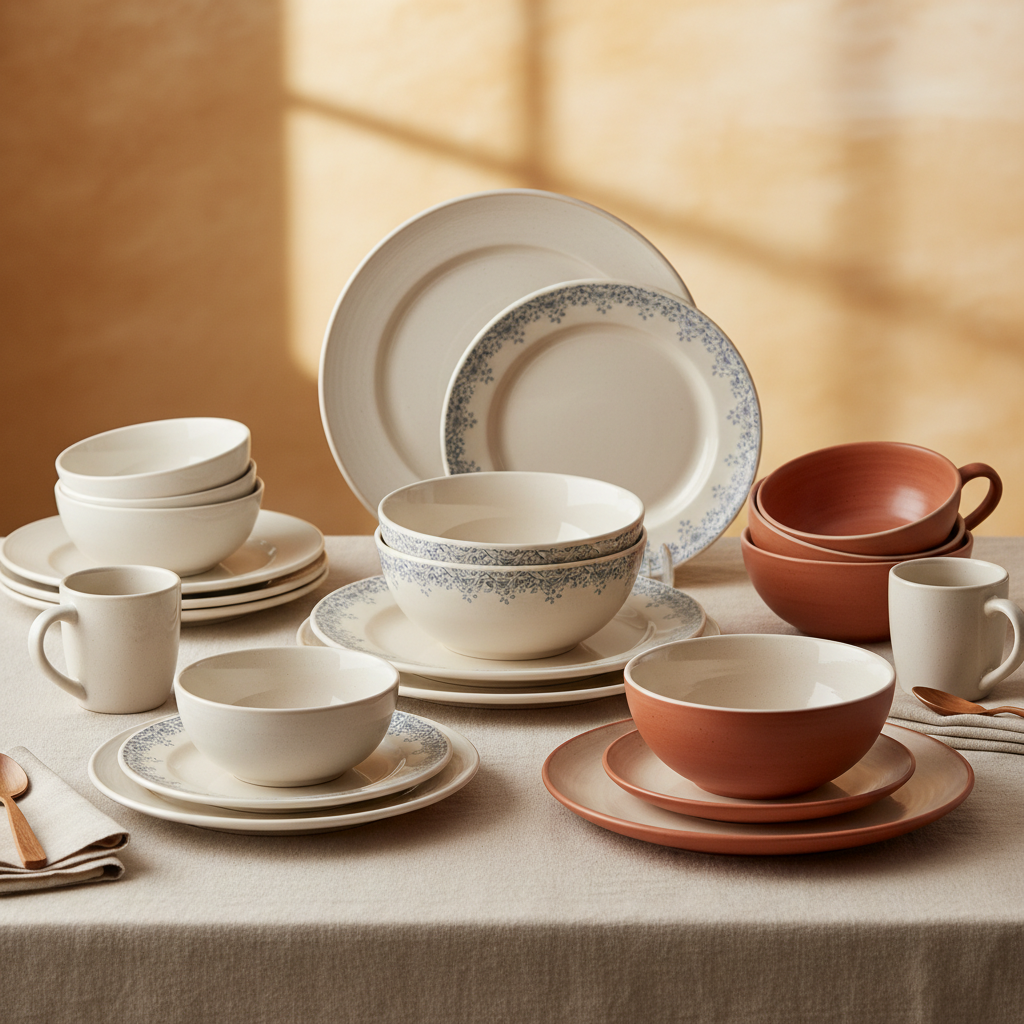
The market is… chaotic. You've got the big Chinese manufacturers, pumping out plates by the container-load. Quality is hit-or-miss, honestly. Then you've got smaller, boutique potteries trying to compete, focusing on hand-crafted stuff. Beautiful, but expensive, and you can't get enough of it for a hotel chain. Strangely enough, demand for white plates is still through the roof. You’d think people would want something fancier, but no, white is king. Makes sense, I guess - goes with everything.
And shipping costs? Don't even get me started. They’ve gone absolutely bonkers. Finding reliable freight forwarders is half the battle.
Design Pitfalls and Common Mistakes
Thin rims look elegant, sure. But they chip. Always. I encountered this at a factory in Chaozhou last time, they were so proud of their 'ultra-thin' design. I asked them, "What happens when someone drops this?" They just shrugged. That’s a problem. And that slight inward curve some designers love? It traps food particles. Nobody wants to scrub extra food bits out of a plate.
Also, the base. Flat bases look modern, but they slide around on tables. A slight lip, or even just some textured detailing, makes a huge difference. It's the little things.
I’ve also seen too many plates with overly complicated shapes. Looks good in a showroom, a pain to stack and wash. Simplicity is key, especially when you’re talking about bulk orders.
Materials and Their Real-World Properties
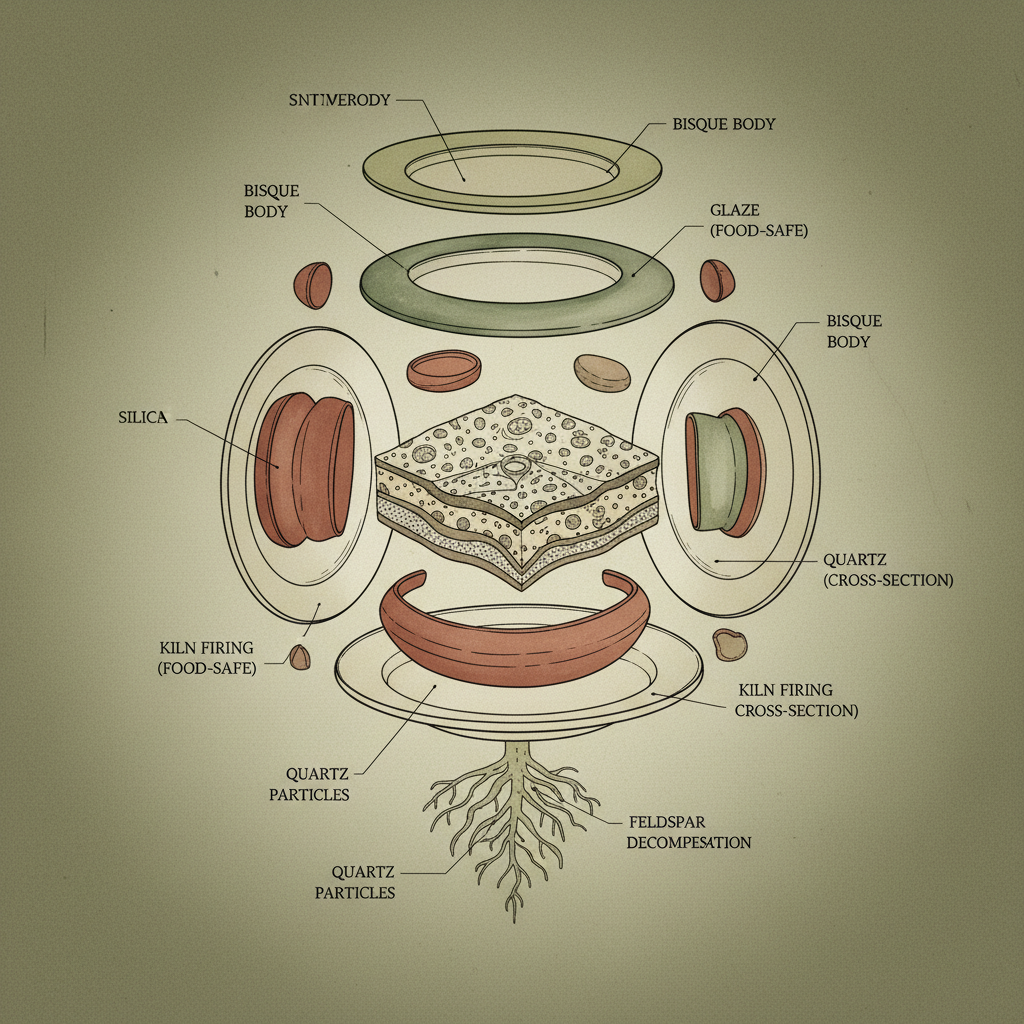
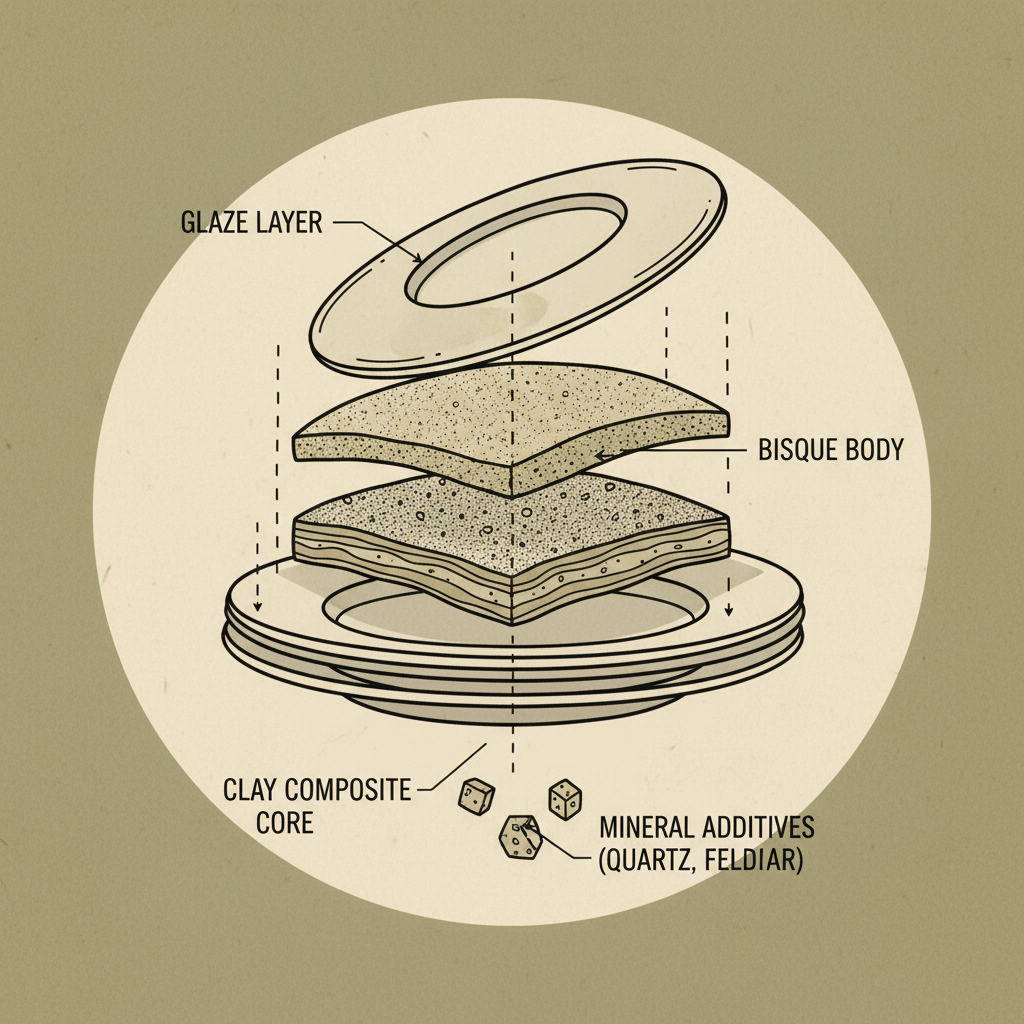
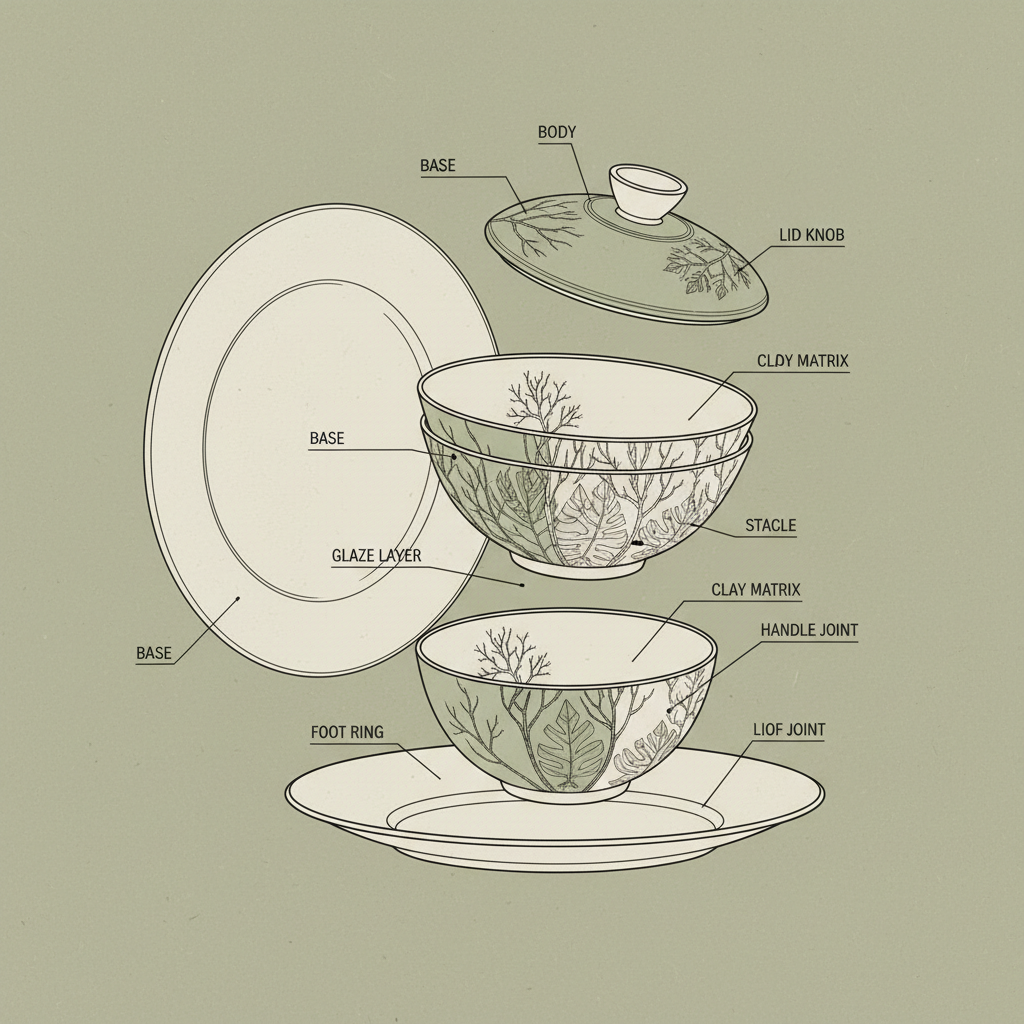
Most of the bulk stuff uses porcelain, of course. It's durable, looks good, and holds up to repeated washing. But the quality of the porcelain varies wildly. The stuff from some factories feels almost…chalky. It doesn’t have that satisfying weight, you know? Good porcelain should feel smooth, almost cool to the touch. I can tell the difference just by holding it.
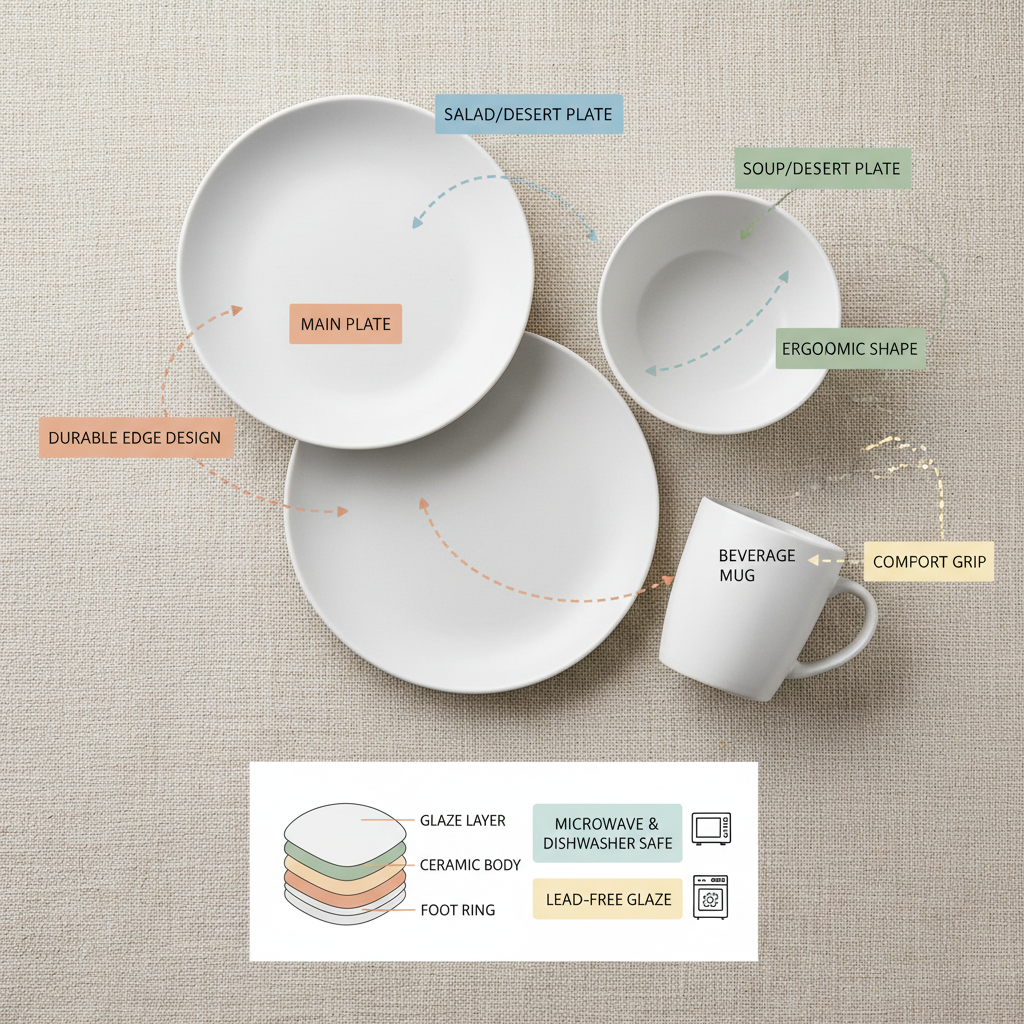
Bone china is obviously stronger, but it’s expensive and not always practical for high-volume use. Stoneware is more rustic, a bit heavier. Good for casual restaurants, maybe. And let's not forget the glaze. That’s where a lot of the problems start. A poorly applied glaze will crack, peel, or even leach chemicals into the food. You wouldn't believe the stories I've heard...
You can actually smell a bad glaze, by the way. A kind of chemical, acrid odor. It’s not pleasant. I always tell my guys, “If it smells funny, reject the whole shipment.” No questions asked.
Rigorous Testing Beyond the Lab
Lab tests are fine, I guess. Drop tests, chip resistance, thermal shock… But those don’t tell the whole story. I want to see these plates survive a real restaurant kitchen. I want to see them go through a commercial dishwasher, get dropped by a busy server, and stacked haphazardly.
We actually have a "destruction zone" at our testing facility. It's basically a simulated kitchen environment where we just… abuse the plates. It's brutal, but it gives us valuable data. And it’s a lot more realistic than some fancy lab report.
Breakage Rates of Bulk Ceramic Dinner Plates
How Bulk Ceramic Dinner Plates are Actually Used
It’s funny, right? You design these things to hold food. But people use them for everything. Coasters, makeshift cutting boards (don’t ask), even ashtrays. I’ve seen it all. And restaurants don’t always use them the way you’d expect. Some places stack them so high, they’re practically leaning towers of dinnerware. Others pile food on them like it's a mountain.
Anyway, I think they also use them to test the patience of dishwashers. It's a cruel world.
Advantages, Disadvantages and Customization
The big advantage, obviously, is cost. You can get a decent porcelain plate for a few bucks a piece if you buy in bulk. That adds up when you're equipping a whole hotel. Durability is another plus, when you get a good one. But, they can be fragile, that's the downside. And customization can be a pain.
Like, last month, that small boss in Shenzhen who makes smart home devices insisted on changing the interface to - I mean the plate itself. He wanted a small notch on the rim to accommodate a magnetic charger for heated plates. Crazy, right? We made it happen, but it tripled the tooling cost.
But sometimes customization is worth it. A hotel chain wanted plates with their logo subtly embossed on the back. It added a bit to the price, but it was a nice touch, and they were happy.
Practical Considerations and Real-World Applications
Restaurants need plates that can withstand a beating. Hotels need plates that look elegant but are still practical. Event companies need plates that are disposable or easily transportable. It all depends on the application. And don’t forget about storage. You need to consider how these plates will be stored when they’re not in use.
Moisture is the enemy. Damp plates get moldy. Simple as that. Proper ventilation is crucial.
I've seen some weird requests, I tell ya. One client wanted plates that could be used in microwave ovens and under broiler lights. That was… challenging.
Summary of Key Practical Considerations for Bulk Ceramic Dinner Plate Selection
| Application Context |
Durability Requirements |
Cost Sensitivity |
Customization Needs |
| Fine Dining Restaurants |
High – Frequent use & handling |
Medium – Quality outweighs price |
Low – Branding is subtle |
| Hotel Buffets |
Very High – Constant washing & abrasion |
High – Bulk purchasing is essential |
Medium – Logo inclusion common |
| Casual Cafes |
Medium – Moderate wear & tear |
Very High – Budget-conscious |
Low – Standard designs acceptable |
| Event Catering |
Low to Medium – Short-term use |
High – Disposable or rental options |
Medium – Event-specific branding |
| Room Service (Hotels) |
Medium – Handling by staff & guests |
Medium – Balance of cost & quality |
Low – Hotel logo subtle |
| Outdoor Events |
High – Potential for drops & damage |
Medium – Durability is a priority |
Low – Focus on practicality |
FAQS
It depends on your seating capacity, table turnover rate, and service style. A good rule of thumb is 5-7 place settings per table, plus a 20% buffer for breakage and busy periods. Don’t forget to factor in different plate sizes – dinner plates, side plates, dessert plates. And honestly, it’s always better to slightly overestimate than run out mid-service.
Look for the dishwasher-safe symbol on the packaging. But even then, industrial dishwashers are brutal. I recommend doing a test run with a small sample before committing to a full wash. Check for crazing (tiny cracks in the glaze) or chipping after a few cycles. If you see either of those, it's probably not a good choice.
Porcelain is generally more refined, translucent, and durable, but also more expensive. Stoneware is more rustic, heavier, and tends to be more affordable. For bulk orders, porcelain is often preferred for its durability and appearance, but stoneware can be a good option if you're on a tight budget and need something robust. It really depends on your target market and brand image.
Yes, you can. Screen printing is the most common method, but it's limited to simple designs and colors. For more complex designs, you’ll need to look at decal application, which is more expensive. The size and placement of the design are also limited by the plate’s surface area and shape. And remember, custom designs usually require a minimum order quantity.
Individual plate wrapping in bubble wrap or foam is essential. Plates should be stacked with cardboard dividers between each layer. The outer carton should be double-walled and clearly labeled as “fragile”. I also recommend requesting that the supplier include a packing list detailing the contents of each carton. And for heaven’s sake, don’t skimp on the packing tape!
It’s tough. Ceramic production is energy-intensive. Look for suppliers who use recycled materials in their clay mix or offer plates made from sustainable sources. Also, consider the packaging – opting for recycled or biodegradable packaging can make a difference. It's not a perfect solution, but it's a step in the right direction.
Conclusion
So, yeah. Bulk ceramic dinner plates. Sounds simple, but there’s a lot more to it than just picking a color and ordering a thousand of them. It's about understanding materials, anticipating problems, and finding a supplier who actually cares about quality. It's a world of logistics, compromises, and the occasional broken plate.
Ultimately, whether this thing works or not, the worker will know the moment he tightens the screw. Or in this case, the moment a server sets a plate down in front of a customer. That’s the real test. If you want to find the perfect bulk ceramic dinner plates, visit our website.