Glass tea and coffee pots offer several advantages over those made from plastic, metal, or ceramic. One of the biggest benefits is their transparency, which allows you to visually monitor the steeping or brewing process and appreciate the color and clarity of your beverage. This is especially useful for tea lovers who want to ensure perfect strength, and for coffee enthusiasts using pour-over or French press methods. High borosilicate glass is commonly used, known for its excellent heat resistance, durability, and ability to withstand thermal shock—meaning you can pour boiling water directly into the pot without worry. Glass doesn’t retain flavors or odors from previous brews, ensuring a pure taste every time. It’s also easy to clean, dishwasher-safe, and non-reactive, making it a safe and hygienic choice. Aesthetically, glass pots have a modern, elegant look that complements any kitchen or table setting, and they make an attractive serving option when entertaining guests.




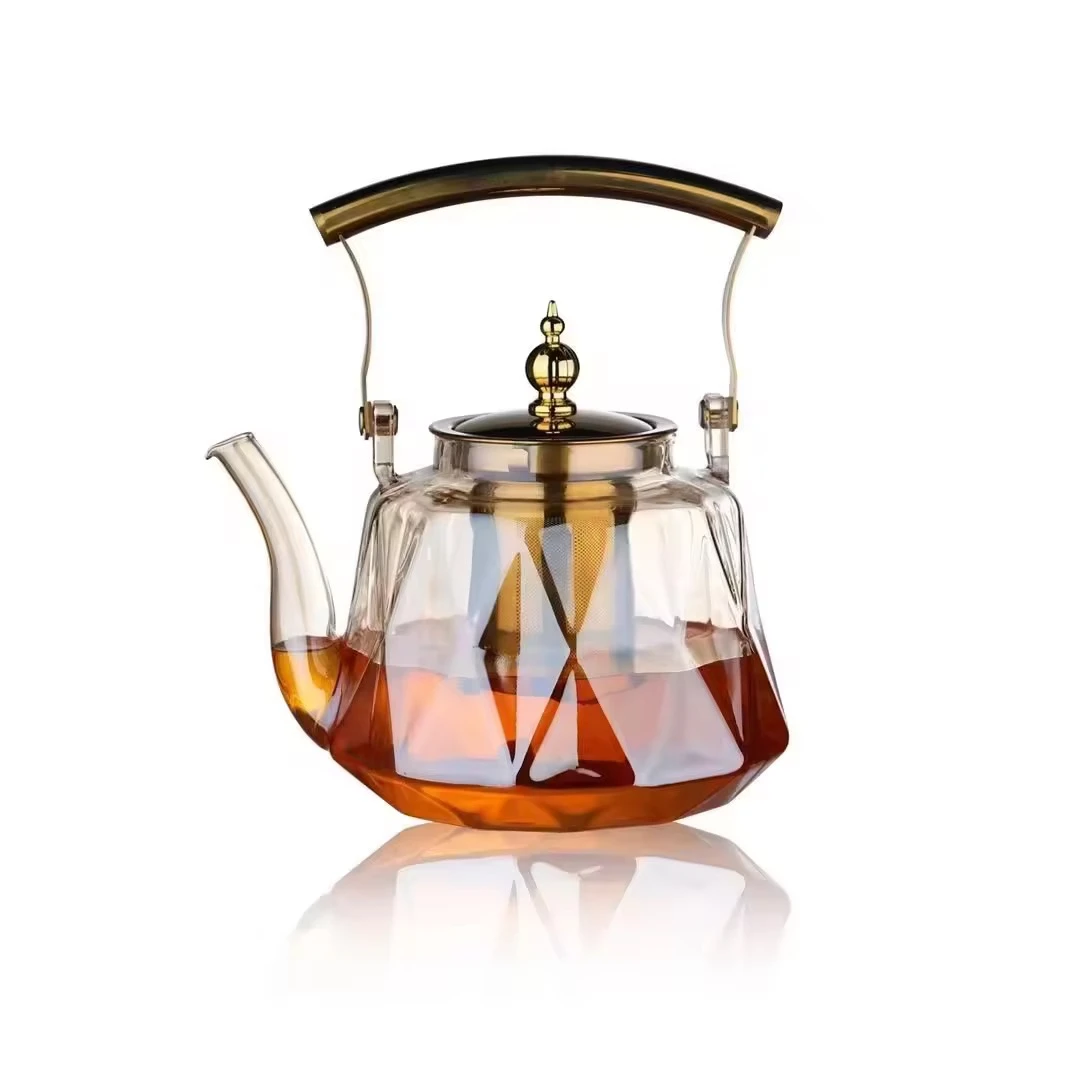


Is A Glass Tea Or Coffee Pot Safe To Use With Boiling Water Or On A Stove?
Yes, most glass tea and coffee pots made from high borosilicate glass are specifically designed to handle boiling water and are even safe for stovetop use—especially on gas and ceramic cooktops. This type of glass is known for its excellent thermal stability and resistance to sudden temperature changes, reducing the risk of cracking or shattering. However, it's important to follow the manufacturer's guidelines, as not all glass pots are intended for direct heat exposure. Many models also feature heat-resistant handles to prevent burns and are equipped with stainless steel or silicone components that enhance safety and usability. When using on a stovetop, ensure the flame or heat source is not larger than the base of the pot to avoid uneven heating. For electric or induction cookers, a heat diffuser may be required. Overall, when used properly, a glass tea or coffee pot is both safe and practical for daily use.
What Size Glass Teapot Should You Choose? 400ml, 500ml, 600ml or 1 Litre?
Choosing the right glass teapot capacity depends on how the teapot will be used, the number of people being served, and the type of tea being prepared. For retailers and distributors, offering several capacities can also help cover different customer groups rather than relying on a single standard size.
A 400ml glass teapot is a compact option for individual tea drinkers, small servings, and customers who prefer preparing fresh tea more frequently. It can also work well for flowering teas when the internal shape provides enough room for the tea flower to unfold. A 500ml glass teapot provides slightly more capacity and is a practical everyday choice for one or two people. For households, offices, cafés, and general retail collections, a 600ml glass teapot offers a useful balance between compact dimensions and serving capacity.
For larger servings, a 1 litre glass teapot is suitable for families, gatherings, hospitality applications, and customers who want to prepare several cups at once. Larger models can also be paired with removable infusers or strainers for loose-leaf tea.
For wholesale buyers, carrying multiple sizes creates a more complete glass teapot range. Capacity can be combined with different lid, handle, infuser, and decorative designs to build product collections for different markets and price segments.
Glass Teapot with Strainer or Infuser: Which Design Is Better for Loose Leaf Tea?
A glass teapot with a strainer is a practical choice for customers who regularly prepare loose-leaf tea, herbal blends, fruit tea, or flower tea. Instead of requiring a separate filtering accessory, the strainer helps keep tea leaves away from the serving cup while maintaining the transparent appearance that makes glass teapots attractive.
Different markets may prefer different filtering configurations. A stainless steel infuser provides a durable and familiar solution for loose tea and can create an attractive combination of transparent glass and metal components. A glass infuser offers a more visually consistent appearance and allows users to see both the tea leaves and the changing color of the infusion. Removable designs can also make it easier to control brewing time by allowing the infuser to be taken out when the desired strength is reached.
When selecting an infuser glass teapot, buyers should consider the depth and diameter of the filter as well as the intended tea type. Larger tea leaves need sufficient room to expand, while finer blends benefit from an appropriately designed filtering structure.
For wholesalers, retailers, cafés, and tea brands, offering several infuser configurations can help address different customer preferences. The right combination of teapot capacity, filter style, lid design, and handle material can turn a basic brewing vessel into a more targeted product for loose-leaf tea users.
Glass Teapot for Blooming Tea and Flowering Tea: What Should You Look For?
Blooming and flowering teas are valued for both flavor and visual presentation, making transparent glass an especially suitable material for this type of brewing. A well-designed glass teapot for blooming tea allows the user to watch the compressed tea gradually open inside the pot, turning the brewing process into part of the serving experience.
Visibility is therefore one of the most important considerations. A clear body with a spacious interior provides an unobstructed view of the tea flower as it expands. The shape of the teapot also matters. Designs with sufficient internal width and volume give blooming teas more space to open naturally rather than being restricted by a narrow brewing chamber.
Capacity should be selected according to the intended serving style. Compact models can suit individual tea sessions, while larger pots are useful for sharing tea with family or guests. A removable strainer or infuser can add flexibility when the same teapot is also used for loose-leaf, herbal, or fruit tea.
A glass teapot for flowering tea can be particularly attractive for tea shops, cafés, restaurants, gift collections, and home tea enthusiasts because the beverage remains visible from brewing through serving. For wholesale buyers, combining clear glass construction with different capacities, handles, lids, and decorative elements makes it possible to develop flowering-tea collections for different retail and hospitality markets.
Glass Teapot with Warmer: A Practical Choice for Longer Tea Sessions
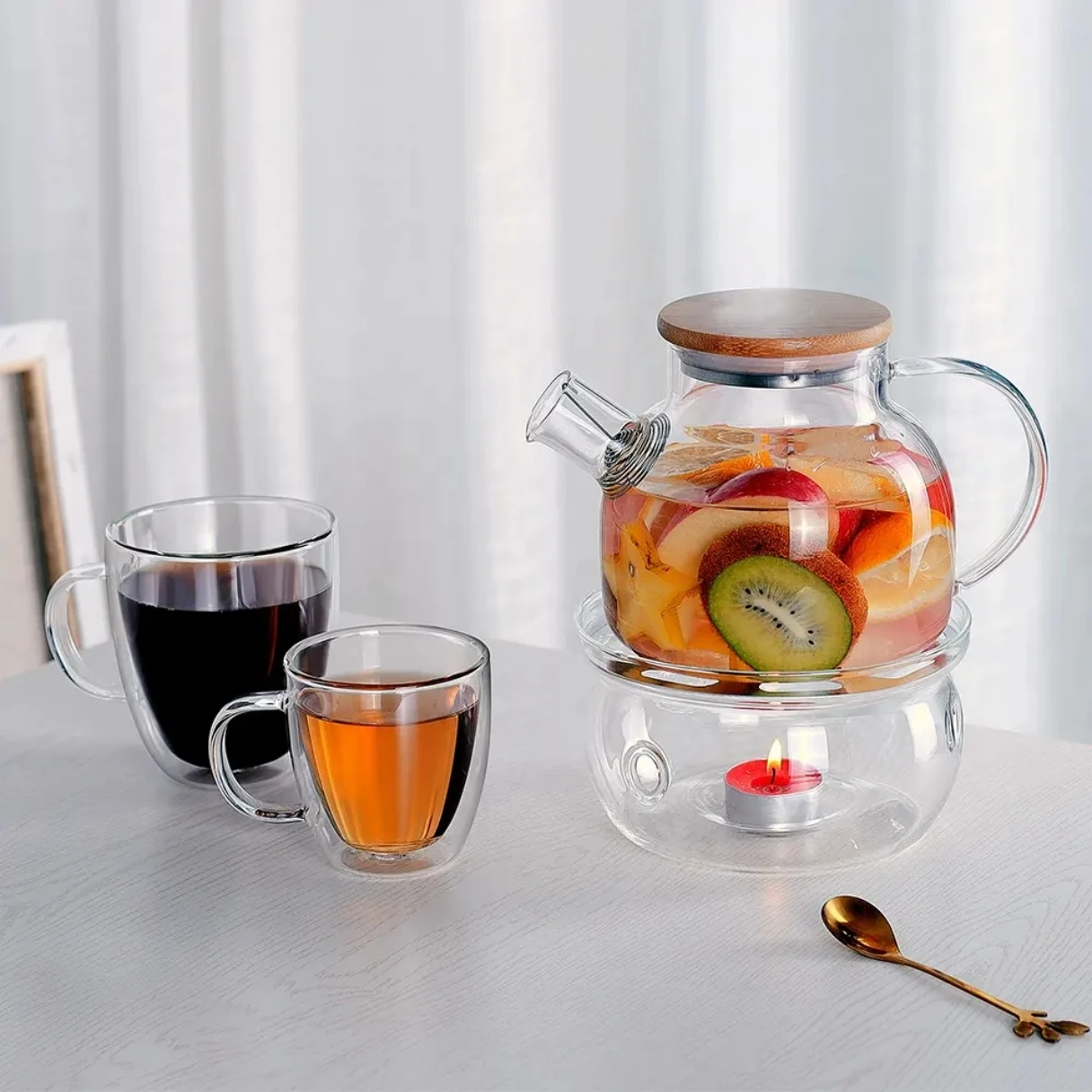
A glass teapot with a warmer is designed for situations where tea may remain on the table for an extended period. Instead of preparing a new pot whenever the tea cools, a compatible warmer can help maintain a comfortable serving temperature during afternoon tea, family gatherings, meetings, restaurant service, or relaxed tea sessions.
This configuration is particularly appealing because glass keeps the beverage visible while the warmer adds a functional serving element. Depending on the product design, the teapot and warmer can be coordinated as part of a complete tabletop presentation. This makes the combination suitable not only for everyday tea drinking but also for cafés, restaurants, hotels, tea rooms, and gift-oriented retail collections.
For wholesale purchasing, compatibility between the teapot and warmer should be considered carefully. Buyers can compare teapot diameter, base shape, capacity, handle position, and overall proportions to select combinations that are practical and visually balanced. The teapot may also be paired with an infuser for loose-leaf tea or flowering tea applications.
Retailers can position warmer-compatible glass teapots as part of a broader tea-serving collection rather than selling the teapot alone. Adding matching cups or other coordinated accessories can further expand the assortment and create a more complete glass tea set for customers looking for both brewing functionality and tabletop presentation.
Beautiful Glass Teapot Designs for Home, Café, Restaurant, and Gift Collections
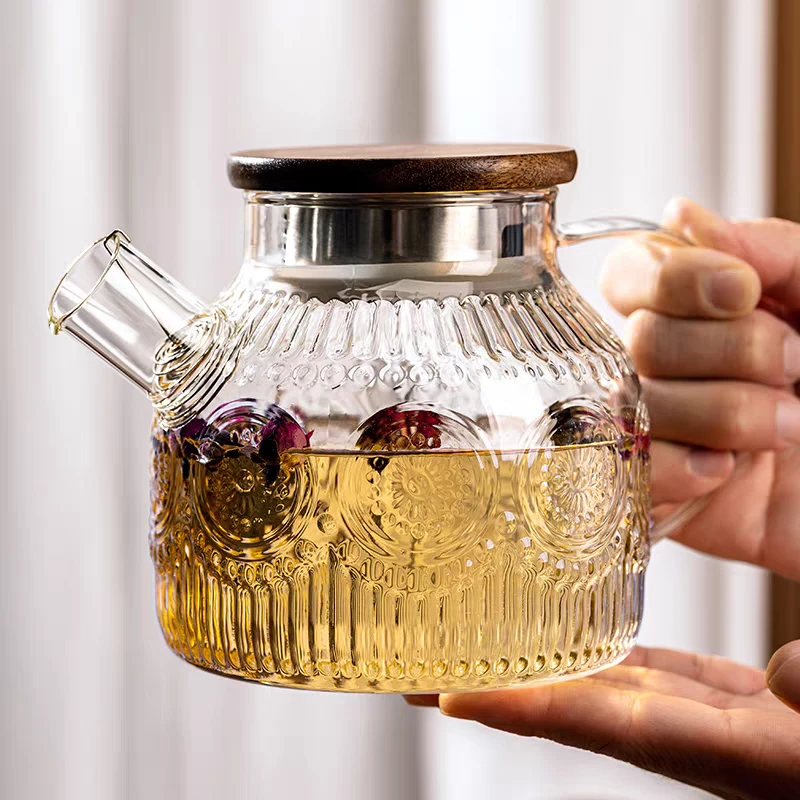
A beautiful glass teapot can serve as both functional drinkware and a visible part of the table setting. While traditional clear designs remain popular, different textures, shapes, handles, lids, and decorative details allow retailers and hospitality buyers to select glass teapots for a wider range of interior styles and customer preferences.
For minimalist collections, a clean transparent body with simple lines creates a modern appearance and keeps the tea itself as the visual focus. Textured options, including hammered, striped, embossed, or geometric glass surfaces, can add more decorative character. Colored glass and contrasting components can provide another way to differentiate a collection. Bamboo or wood-look details may suit natural and contemporary themes, while metal accents can create a more refined tabletop presentation.
The intended application should also influence design selection. Home-use products may prioritize compact dimensions and versatile styling, while cafés and restaurants may prefer designs that create a recognizable presentation when tea is served to customers. Gift-oriented collections can combine distinctive glass shapes with coordinated accessories and attractive packaging.
For importers, wholesalers, and retailers, carrying multiple design directions makes it easier to serve different market segments. Instead of treating every clear teapot as the same product, buyers can build collections around modern, decorative, natural, classic, or gift-oriented themes while offering different capacities and brewing configurations within each range.
Glass Teapot Gift Sets: Teapot, Infuser, Cups and Warmer Combinations
A glass teapot gift set can offer more perceived value than an individual teapot by combining several complementary pieces into one coordinated package. Depending on the target market, a set may include a glass teapot with an infuser, matching glass cups, a warmer, or other tea-serving accessories.
Different combinations can be developed for different buying occasions. A compact teapot and cup combination may work well as an everyday gift, while a larger glass tea set can be positioned for families, housewarming occasions, weddings, holidays, or premium retail collections. Adding a removable infuser can make the set more suitable for loose-leaf tea, while a warmer can support longer serving occasions and create a more complete tabletop presentation.
Visual consistency is important when building a set. The shape of the cups, teapot, handles, lids, and accessories should work together rather than appearing like unrelated products. Transparent glass also provides flexibility because it can coordinate with many tabletop styles and allows the color of the brewed tea to become part of the presentation.
For distributors and retailers, gift-set development provides an opportunity to create different product tiers using variations in capacity, component count, design, and packaging. Buyers sourcing glass tea sets can therefore consider not only the individual teapot but also how multiple pieces can be combined into a coherent retail-ready collection for their target customers.
Looking to Buy Glass Teapots? What Wholesale Buyers Should Consider
Businesses looking to buy glass teapot products in bulk should evaluate more than appearance alone. A successful assortment usually requires the right combination of capacity, brewing function, design style, target price positioning, and intended sales channel.
Capacity is one of the first considerations. A range containing 400ml, 500ml, 600ml, 1 litre, and other sizes can address different serving requirements. Brewing configuration is another important factor. Some customers prefer a simple clear pot, while others specifically look for a glass teapot with strainer, removable infuser, or warmer-compatible design.
Material positioning also matters. A heat resistant borosilicate glass teapot is particularly relevant for buyers sourcing functional tea ware designed around hot beverage preparation. At the same time, details such as glass clarity, body shape, lid material, handle style, filter configuration, and decorative finish can influence how individual models fit into mass-market, specialty tea, hospitality, or gift collections.
Importers and distributors searching for clear glass teapots for sale should also consider assortment planning. Instead of purchasing many similar models, buyers can build a structured collection covering compact personal teapots, larger family sizes, loose-leaf infuser models, flowering-tea designs, decorative teapots, and coordinated tea sets.
Maxtrust offers a variety of glass teapot designs for different sourcing requirements. Buyers can explore the available collection to compare capacities, shapes, infuser configurations, handles, lids, and decorative styles and select products suited to their wholesale, retail, hospitality, or distribution markets.
How Do I Clean And Maintain A Glass Tea/Coffee Pot For Long-Term Use?
Maintaining a glass tea or coffee pot is easy and helps preserve its clarity and performance over time. After each use, rinse the pot with warm water to remove any leftover tea leaves or coffee grounds, then wash it with mild detergent and a soft sponge. Avoid abrasive scrubbers that can scratch the glass. For stubborn stains, especially from tea or coffee oils, use a mixture of baking soda and vinegar or soak the pot in warm water with lemon juice. Most glass pots are dishwasher-safe, but always check if your specific model allows for it. If the pot includes a metal filter or lid, wash these parts separately and dry them thoroughly to prevent rust. Let the pot air dry or wipe it with a soft cloth to prevent water spots. Avoid sudden temperature changes, such as pouring cold water into a hot pot, to extend its life. With regular care, your glass pot will remain crystal-clear and functional for years.
FAQ
Glass Tea\/Coffee Pot FAQ
Q1: Can I use this glass pot on the stovetop?


Yes, if it's made from high borosilicate glass and stovetop-safe.
Q2: Is it suitable for both tea and coffee?
Absolutely, it works great for brewing both beverages.
Q3: Does the glass pot retain any flavors or smells?
No, glass is non-porous and keeps your drinks tasting pure.
Q4: Can I put the pot in the dishwasher?
Yes, most glass pots are dishwasher-safe—check the label to confirm.
Q5: Is it fragile?
While glass should be handled with care, borosilicate glass is very durable and heat-resistant.