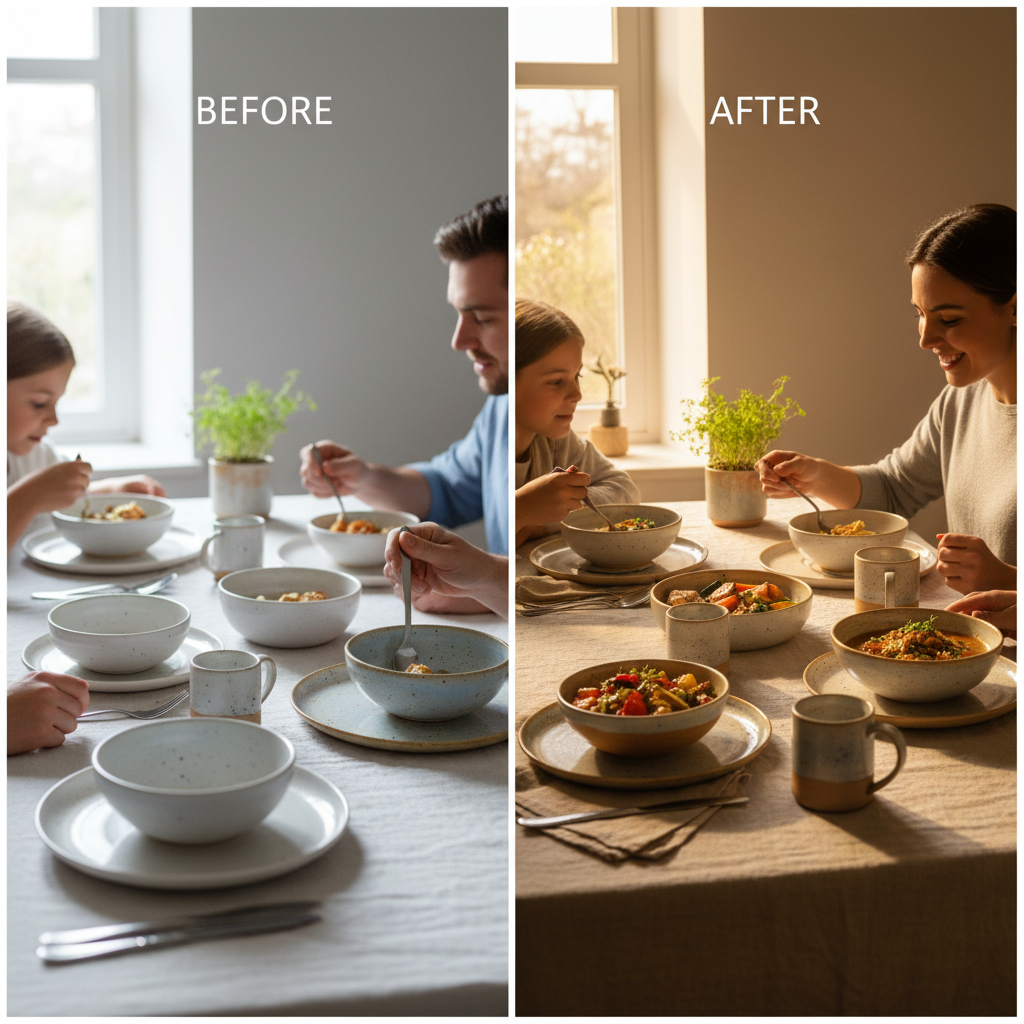
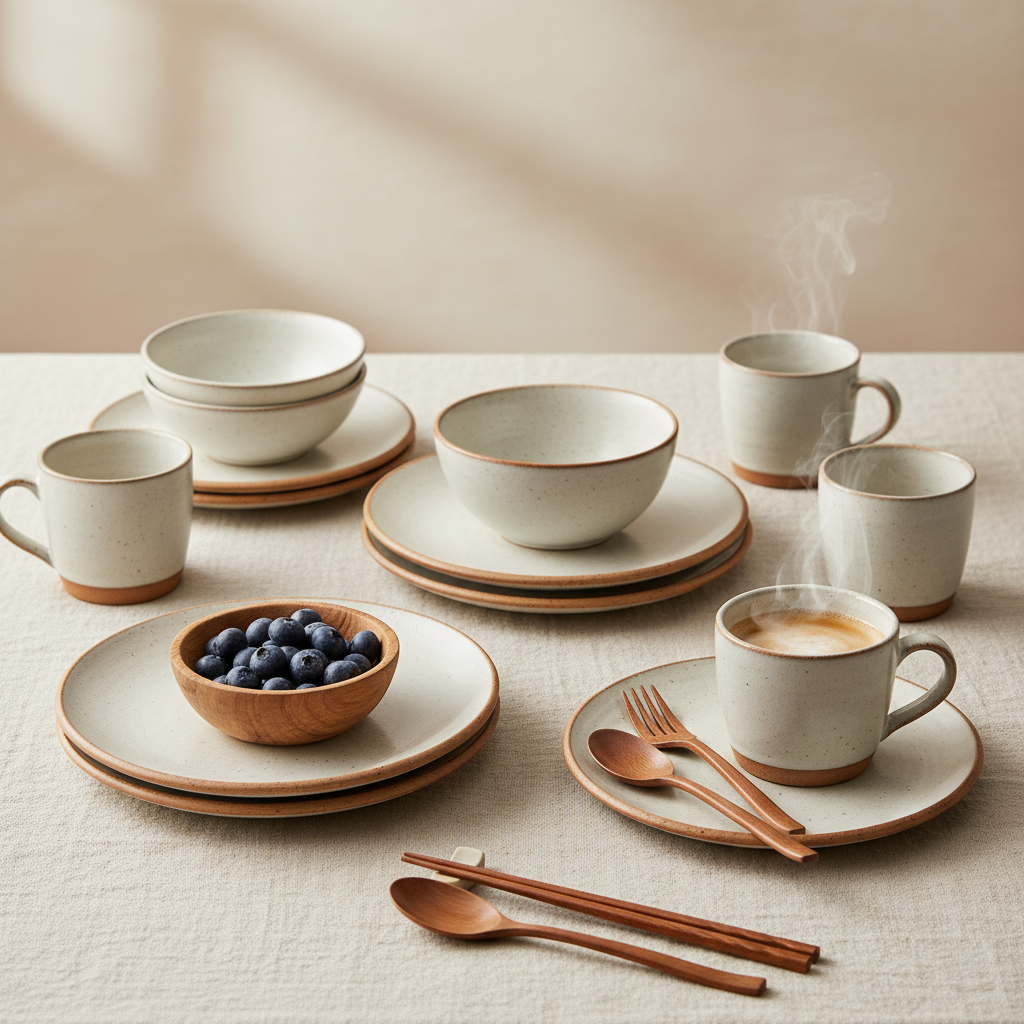
Look, I've spent years on job sites, elbows deep in concrete dust and blueprints. When it comes to tableware, especially for large-scale projects - hotels, restaurants, even institutional kitchens - you need stuff that works. It's not about fancy designs, it's about durability, cost, and keeping things running smoothly. That’s where ceramic tableware comes into its own. We're talking about a material that can take a beating, withstand constant washing, and still look presentable. A chipped plate isn't just an aesthetic issue; it's a safety hazard and a constant replacement cost.
You wouldn't believe the arguments I’ve seen over melamine versus porcelain. Melamine’s cheap, sure, but it scratches, stains, and just doesn't feel right. Porcelain is beautiful, but brittle. Ceramic tableware strikes a good balance. Modern manufacturing techniques mean you can get pieces that are genuinely tough, resistant to thermal shock, and designed to hold up in a commercial environment. It’s a practical choice, and frankly, a reliable one. We need materials that simply perform.
It’s not just about the plate itself, either. It's the whole system. Stackability, weight – these things matter when you're talking about dishwashers, servers carrying heavy loads, and storage space. A well-designed ceramic tableware set can streamline operations and save a ton of headaches down the line.
The Practicality of Ceramic Tableware
From a construction standpoint, selecting materials isn't about aesthetics, it’s about resilience. Ceramic tableware, especially the high-fired varieties, consistently demonstrates that resilience in demanding environments. I’ve seen it hold up in everything from bustling hotel buffets to busy hospital cafeterias. It's simply a dependable choice when you’re dealing with high turnover and constant use.
And let’s be real, replacing broken dishes is a huge cost factor. You've got the price of the new tableware, the labor to pull the broken pieces, and the potential downtime if you're short on essential pieces during peak service. Investing in durable ceramic tableware upfront saves money in the long run.
Durability and Resistance
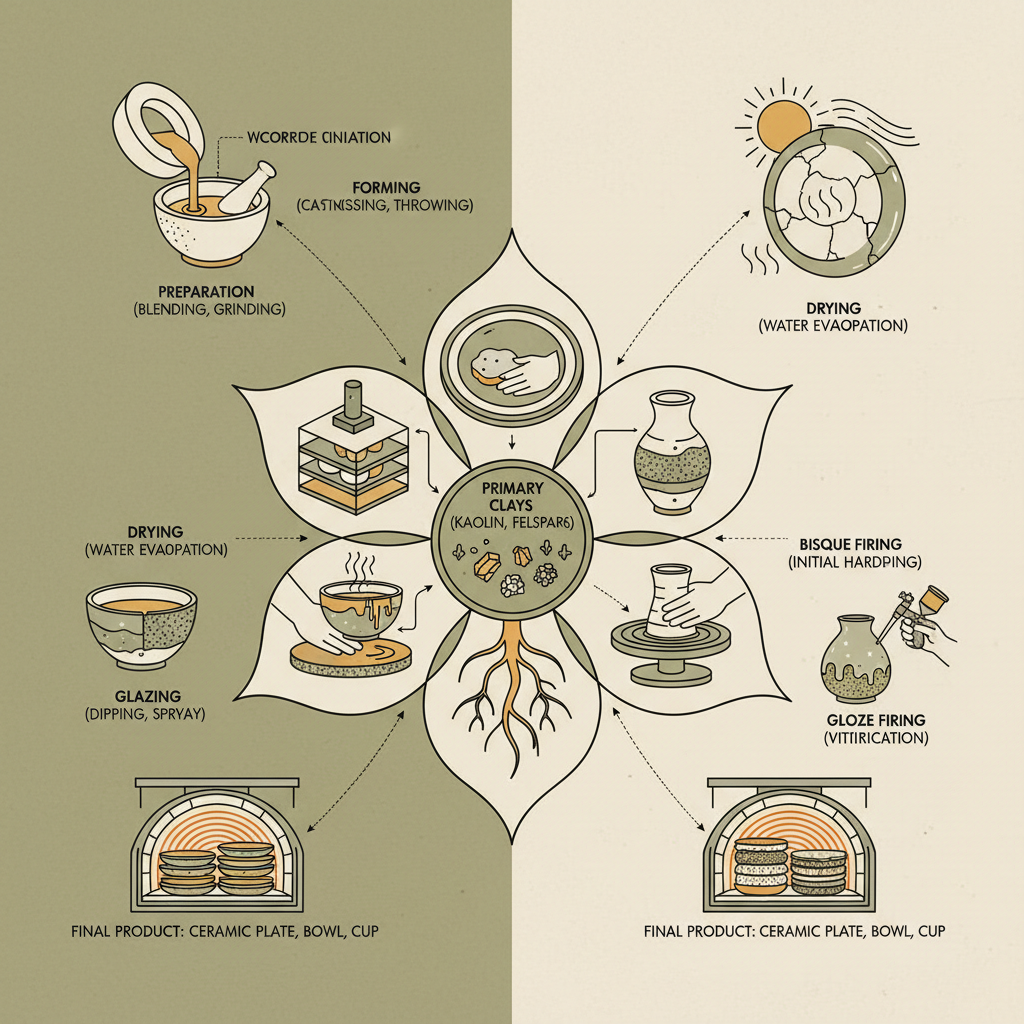
The key to ceramic's durability is in the firing process. High-temperature firing creates a dense, non-porous material that's resistant to chipping, cracking, and staining. Modern ceramics also often incorporate additives that increase their strength and thermal shock resistance. You can throw a hot plate onto a cold table, and it’s far less likely to shatter than a lot of other options.
We also see a lot of glazing options that enhance resistance to scratches and chemicals. Commercial dishwashing detergents are harsh, and they can really wear down certain materials. A well-glazed ceramic piece will stand up to repeated washings without losing its luster or integrity.
Don't get me wrong, anything can break. But, compared to other materials used in commercial kitchens, ceramic consistently shows a higher resistance to the daily wear and tear you'll find on a job site.
Cost-Effectiveness and Lifecycle
It's easy to get fixated on the initial price tag, but you need to look at the total cost of ownership. Cheap tableware might save you money upfront, but the constant replacements will quickly eat up those savings. Ceramic tableware offers a sweet spot – a reasonable initial investment combined with a long lifespan.
Consider this: a single broken plate disrupts service, potentially impacting customer satisfaction. Constant replacements also create logistical headaches. Choosing durable ceramic tableware minimizes these disruptions and simplifies inventory management. It's about efficiency, plain and simple.
I’ve worked on projects where they tried to cut corners on tableware. It always backfires. The hidden costs of replacement and disruption far outweigh the initial savings. Invest in quality ceramic, and you’ll avoid those headaches.
Stackability and Space Optimization
Space is always at a premium in a commercial kitchen. Dishwashing areas, storage rooms – they’re constantly cramped. That’s where stackability comes in. Well-designed ceramic tableware is designed to nest efficiently, maximizing storage space and streamlining the dishwashing process.
It's not just about the physical stacking. Consider the shape and weight distribution. Pieces that are too top-heavy are more prone to toppling over during dishwashing or transport. A good design will have a stable base and a balanced weight, making it easier to handle and less likely to break.
Average Stackability Rating of Ceramic Tableware Styles
Global Applications in Commercial Settings
You see ceramic tableware everywhere in the food service industry. From high-end restaurants to casual diners, it’s the workhorse of the kitchen. Hotels use it for room service and banquet halls. Hospitals and schools rely on it for their cafeterias. It’s a global standard for a reason.
I’ve worked on projects in Europe, Asia, and North America, and the demand for quality ceramic tableware is consistent. Different regions might have different aesthetic preferences, but the need for durability and functionality remains the same.
Sustainability and Environmental Impact
Look, nobody wants to be contributing to landfill waste. Ceramic is generally considered a more sustainable option than plastic alternatives. It's made from natural materials, and it can be recycled (though the process isn't always readily available).
The key is choosing manufacturers who are committed to responsible sourcing and production practices. Look for companies that use energy-efficient kilns and minimize water waste. ceramic tableware can be a sustainable choice, but it requires conscious decision-making.
Long-lasting durability is also a sustainability factor. Reducing the need for frequent replacements minimizes waste and conserves resources.
Future Trends in Ceramic Tableware Manufacturing
We’re seeing a lot of innovation in ceramic manufacturing, driven by a demand for greater efficiency and sustainability. Digital printing techniques are allowing for more intricate designs and faster production times.
There’s also a growing interest in incorporating recycled materials into ceramic bodies. This reduces reliance on virgin resources and helps close the loop on waste.
I also anticipate seeing more focus on lightweight ceramics – reducing the weight of each piece without sacrificing durability. This will improve ergonomics for servers and reduce transportation costs.
Analysis of Emerging Trends in Ceramic Tableware Manufacturing
| Trend Category |
Impact on Durability |
Impact on Cost |
Implementation Difficulty (1-5) |
| Digital Printing |
Neutral - Doesn't directly affect material strength. |
Moderate - Initial investment in equipment is high. |
3 |
| Recycled Material Incorporation |
Potential Reduction - Quality control is critical to maintain strength. |
Low - Recycled materials can reduce material costs. |
4 |
| Lightweight Ceramic Formulation |
Potential Reduction - Requires careful balancing of materials. |
Moderate - Research and development can be costly. |
4 |
| Advanced Glazing Techniques |
Positive - Increased scratch and chemical resistance. |
Moderate - Specialized glazes can be expensive. |
2 |
| Automated Production Lines |
Neutral - Impacts efficiency, not material properties. |
High - Reduced labor costs, increased output. |
5 |
| Bio-Based Ceramic Additives |
Potential Positive - Enhances sustainability and may improve properties. |
High - Currently expensive and limited availability. |
5 |
FAQS
While plastic is initially less expensive, it scratches easily, stains, and doesn’t offer the same professional aesthetic. Constant replacements drive up costs. Ceramic's durability means fewer replacements, lower lifecycle costs, and a better overall return on investment. Plus, it won't leach chemicals like some plastics can.
Presentation matters. High-quality ceramic tableware communicates a sense of value and attention to detail. It elevates the dining experience and creates a positive impression on customers. Conversely, chipped or worn tableware can give a negative impression, even if the food is excellent.
Yes, most commercially produced ceramic tableware is designed to withstand the rigors of commercial dishwashers. However, it’s important to check the manufacturer’s specifications. Look for pieces that are specifically labeled as dishwasher-safe and resistant to thermal shock. Avoid sudden temperature changes.
Request samples! Subject them to real-world testing – run them through your commercial dishwasher, drop them (within reason!), and see how they hold up to scratching. Pay attention to the weight and thickness of the pieces. A heavier, thicker piece will generally be more durable.
Look for NSF International certification. This indicates that the tableware meets stringent standards for food safety and sanitation. Also, inquire about the manufacturer’s quality control processes and whether they adhere to any industry-specific standards for durability and performance.
Glazing is critical. A high-quality glaze provides a protective barrier against scratches, staining, and chemical damage. It also makes the tableware easier to clean. Look for glazes that are resistant to chipping and crazing (fine cracks in the glaze). A well-glazed piece will last significantly longer.
Conclusion
Ultimately, choosing ceramic tableware isn't just about picking out a nice-looking plate. It’s about making a smart, practical decision that impacts your bottom line, your operational efficiency, and your customer experience. It’s about investing in a material that can withstand the demands of a commercial environment and deliver long-term value.
Don't underestimate the importance of quality. Take the time to research your options, request samples, and choose a supplier who understands your needs. A little upfront investment in durable ceramic tableware will save you a lot of headaches – and money – in the long run. Visit our website at www.maixin-kitchenware.com to explore our range of commercial-grade ceramic solutions.