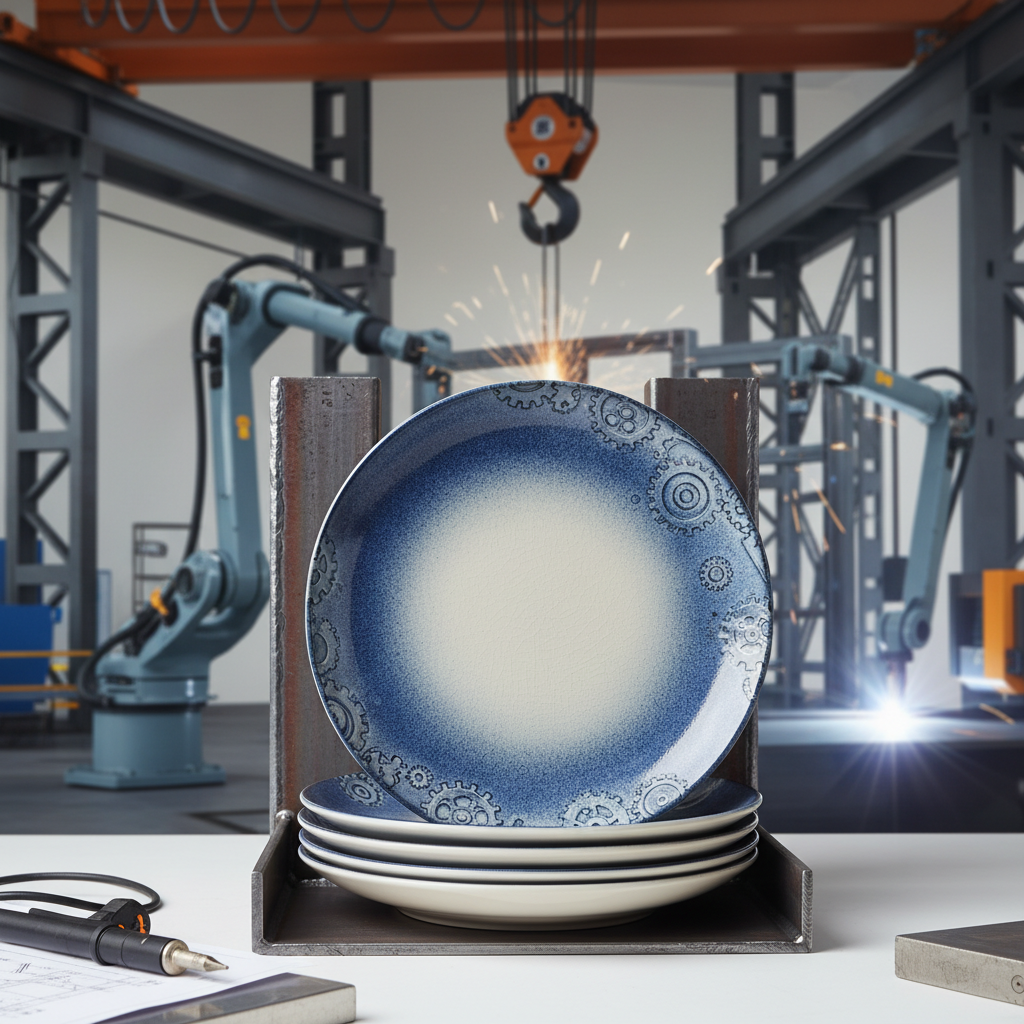
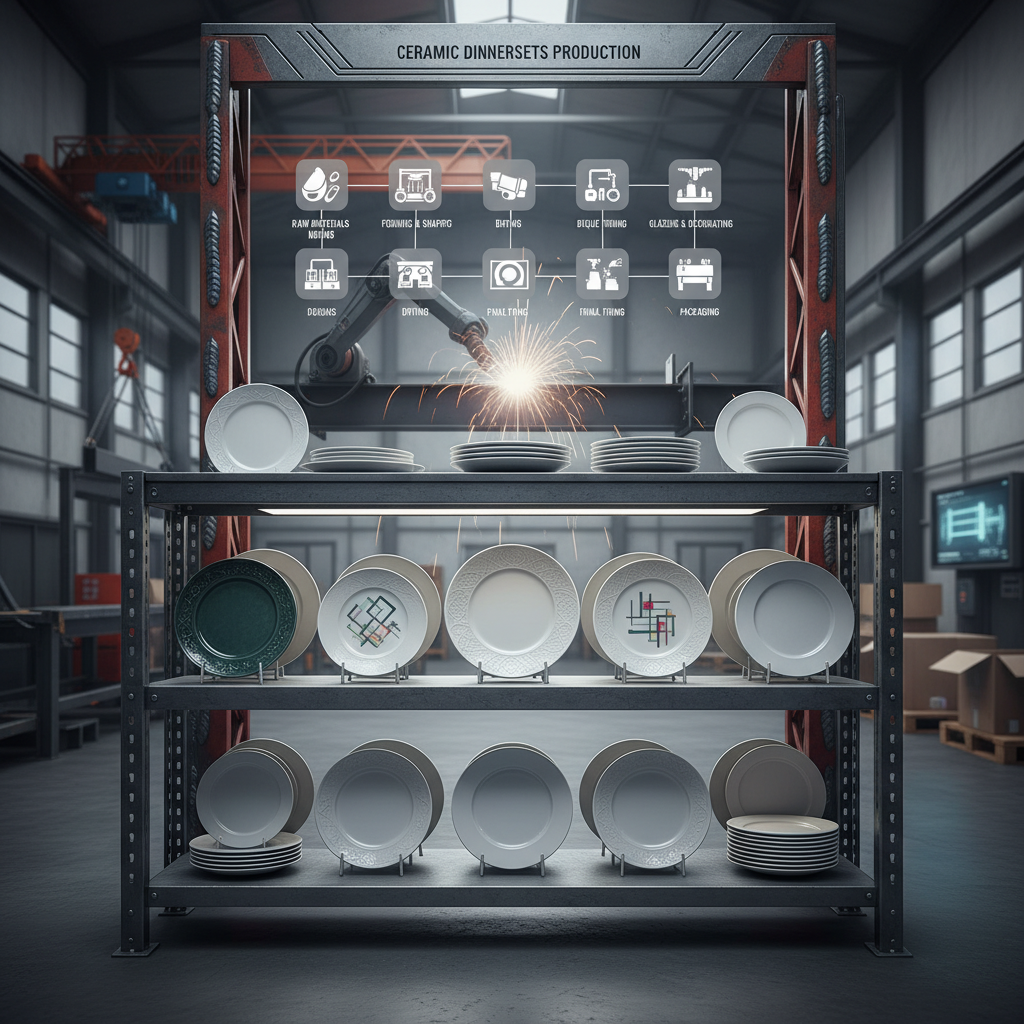
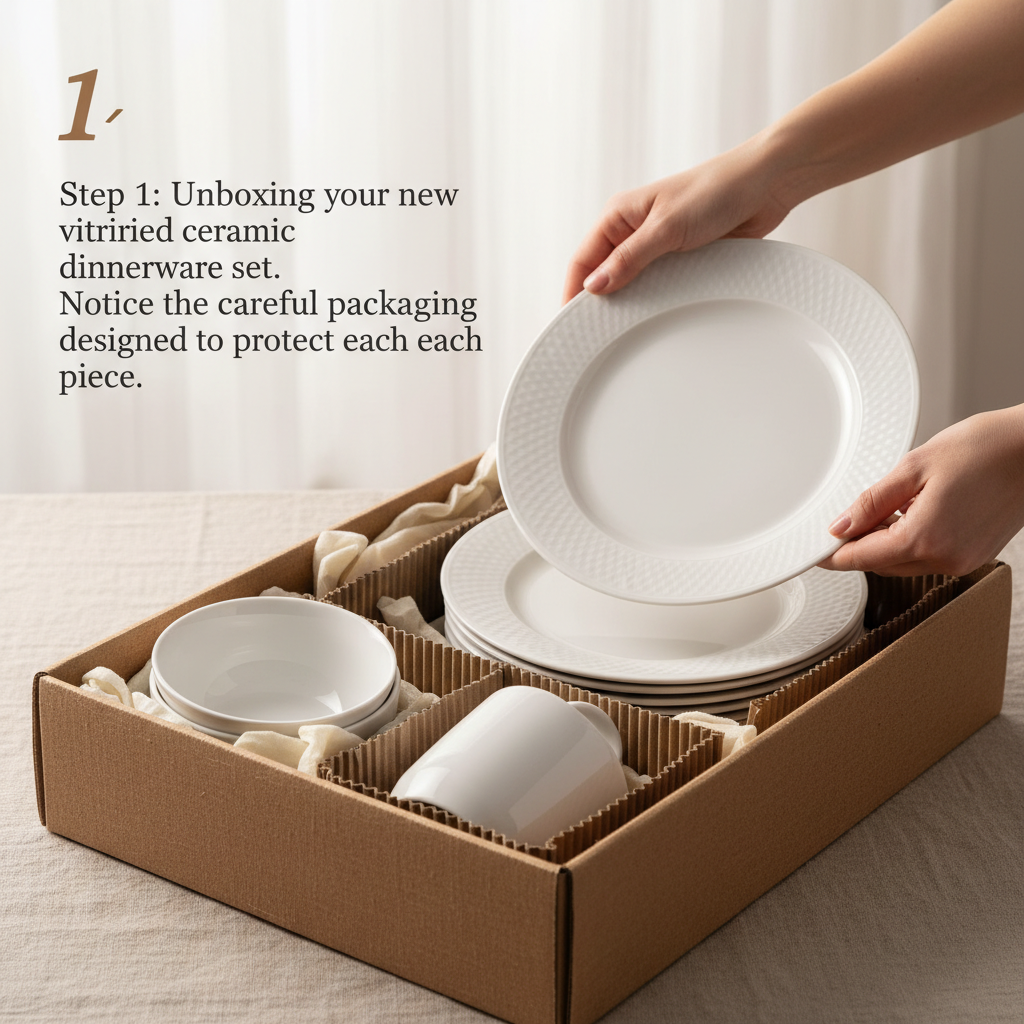
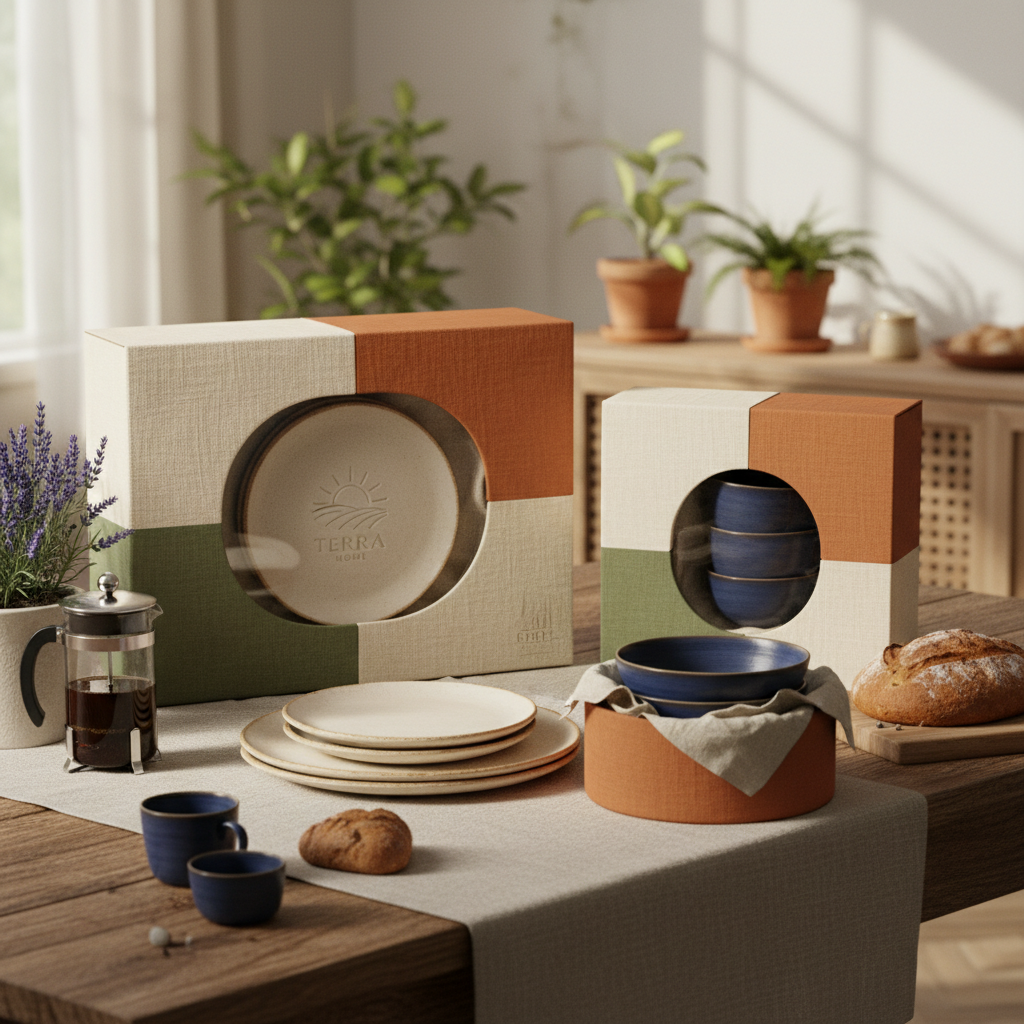
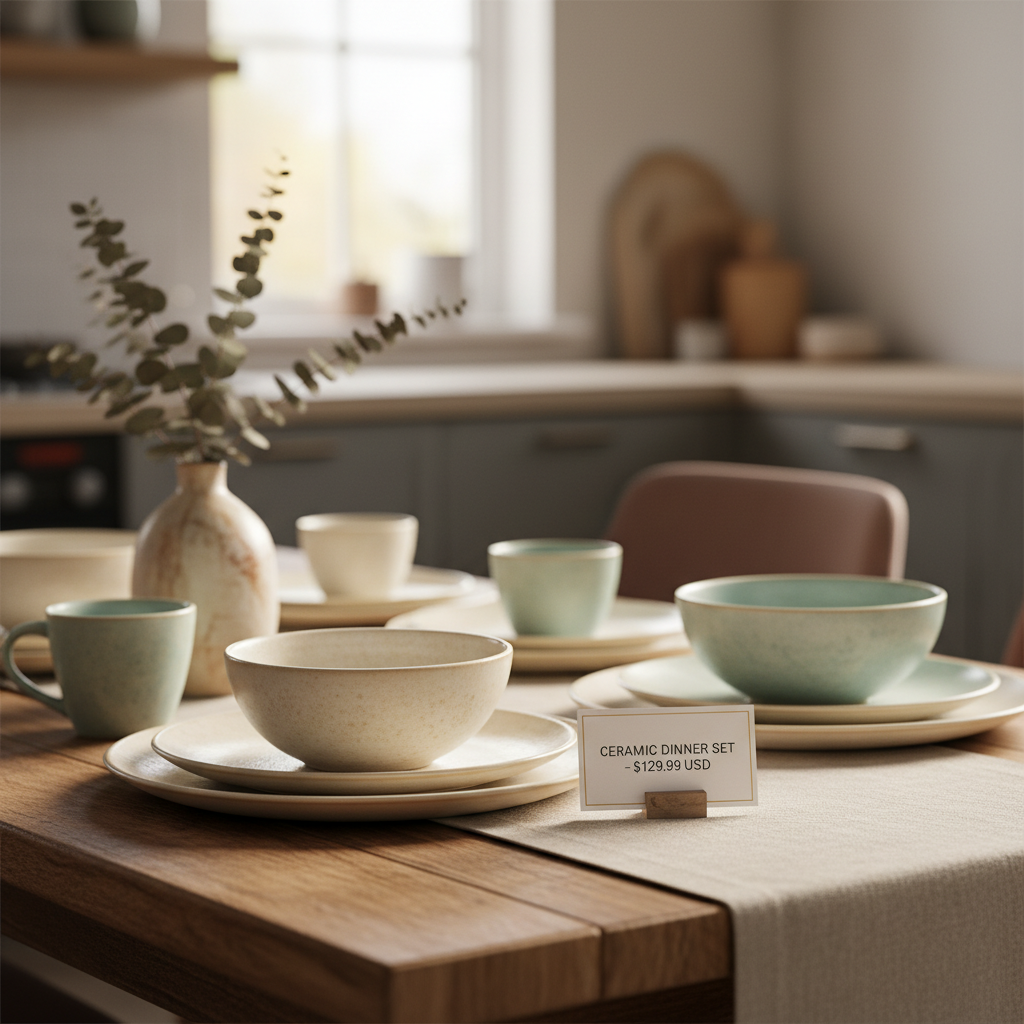
In the contemporary culinary landscape, ceramic eating plates represent more than just utilitarian vessels; they are a fusion of ancient craftsmanship and modern material science. From high-end gastronomic restaurants to cozy home kitchens, the choice of dinnerware profoundly impacts the sensory experience of dining, influencing everything from heat retention to the visual presentation of a meal.
Globally, the demand for high-quality ceramics has surged as consumers shift toward sustainable, non-toxic, and aesthetically pleasing tableware. The transition from disposable plastics to durable, glazed ceramic options reflects a broader environmental consciousness, emphasizing longevity and health. Understanding the nuances of ceramic composition and glazing is essential for both wholesalers and end-users to ensure food safety and durability.
Whether you are sourcing for a large-scale hospitality project or upgrading a domestic kitchen, the versatility of ceramic eating plates allows for endless customization. By balancing structural integrity with artistic expression, these products serve as the silent foundation of every meal, bridging the gap between functional industrial manufacturing and the art of the table.
Global Industry Context of Ceramic Dining Ware
The global market for ceramic eating plates is currently shaped by a rigorous adherence to international safety standards, such as those outlined by ISO and the FDA. As emerging economies expand their middle-class demographics, there is a documented increase in the consumption of "decorated" and "embossed" dinnerware, moving away from basic utility toward lifestyle-oriented products.
However, the industry faces a significant challenge in balancing mass production with the "E-E-A-T" (Experience, Expertise, Authoritativeness, and Trustworthiness) principles of manufacturing. Many importers struggle with the variability of glaze quality and the presence of heavy metals in low-cost alternatives, making the selection of a certified manufacturer critical for long-term health and safety.
Defining Quality in Ceramic Eating Plates
At its core, ceramic eating plates are manufactured from inorganic, non-metallic materials—typically clay, silica, and feldspar—which are shaped and then fired at high temperatures. This process creates a vitrified structure that is non-porous, ensuring that food particles and bacteria do not seep into the material, which is a primary requirement for modern hygienic standards.
In the context of the modern hospitality industry, "quality" is defined by the synergy between the body of the plate and its glaze. A high-quality glazed finish not only provides a professional aesthetic but also acts as a protective barrier against scratches from cutlery and chemical erosion from acidic foods. This makes them indispensable in fast-paced commercial kitchens where turnover is high.
Beyond the technicalities, these plates serve a humanitarian and social purpose by enhancing the dignity of the dining experience. Whether used in a luxury hotel or a community center, the tactile weight and thermal properties of ceramic ensure that meals stay warm longer, reflecting a commitment to quality of life and culinary respect.
Core Components of Ceramic Durability
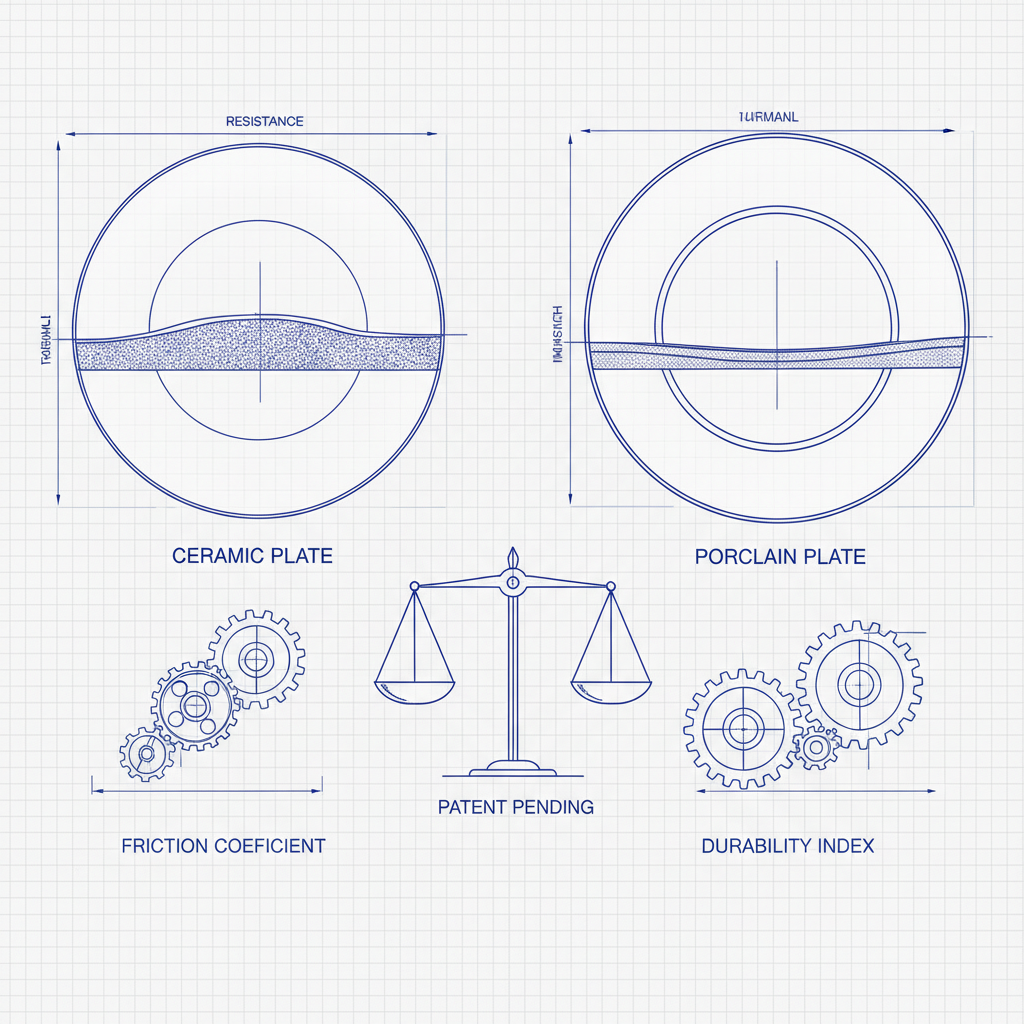
The structural integrity of ceramic eating plates is primarily determined by the firing temperature. High-fire ceramics, such as stoneware and porcelain, undergo a process where the minerals fuse into a glass-like state, significantly reducing porosity and increasing the plate's resistance to chipping and thermal shock.
Another critical factor is the composition of the glaze. Modern industrial glazes are formulated to be lead-free and cadmium-free, ensuring that ceramic eating plates remain chemically inert when in contact with hot or acidic foods, which is a non-negotiable safety standard in global trade.
Lastly, the mechanical strength is enhanced through precise molding and drying techniques. By eliminating internal air bubbles and ensuring uniform wall thickness, manufacturers can produce plates that withstand the rigors of industrial dishwashers and the physical stress of stacking in large commercial quantities.
Practical Applications and Use Cases
The application of ceramic eating plates extends far beyond the home. In the professional catering sector, embossed and decorated plates are used to create "visual narratives," where the plate's design complements the cuisine to enhance the guest's perceived value. In high-turnover environments, reinforced ceramic edges are employed to minimize breakage.
In specialized contexts, such as healthcare facilities or senior living centers, customized ceramic shapes are designed for ergonomics, allowing for easier scooping of food while maintaining a professional appearance. This demonstrates how the industry adapts raw materials to solve specific human challenges through design.
Performance Analysis of Various Ceramic Eating Plates Types
Long-term Value and Sustainability
Investing in high-grade ceramic eating plates offers significant long-term economic value. Unlike plastic or low-grade melamine, which degrade over time and release microplastics into food, ceramics are essentially inert. This longevity reduces the frequency of replacement cycles, leading to lower procurement costs for businesses over a five-to-ten-year horizon.
From a sustainability perspective, the lifecycle of a ceramic plate is far more eco-friendly. When sourced from manufacturers using energy-efficient kilns and sustainable clay deposits, the carbon footprint per use is remarkably low. Furthermore, the timeless nature of ceramic design prevents these products from becoming "fast fashion" waste, promoting a culture of conscious consumption.
Future Innovations in Ceramic Materials
The future of ceramic eating plates is being driven by the integration of nanotechnology. Researchers are developing "self-cleaning" glazes that use photocatalytic properties to break down organic residues, significantly reducing the amount of water and chemical detergents required for cleaning in industrial settings.
Additionally, 3D printing in ceramics is revolutionizing the "decorated" and "embossed" categories. This allows for complex, mathematically derived geometries that were previously impossible with traditional molds, enabling brands to create highly personalized, brand-specific dining experiences with minimal tooling costs.
Digital transformation is also hitting the kiln. Automated temperature control systems using AI can now predict the exact moment of vitrification, reducing energy waste and ensuring that every batch of ceramic eating plates has identical thermal expansion coefficients, virtually eliminating the risk of spontaneous cracking.
Overcoming Manufacturing Challenges
One of the most persistent challenges in the production of ceramic eating plates is the "warping" effect during the firing process. To solve this, leading manufacturers are employing precision-controlled cooling cycles and high-density clay bodies that maintain their shape even under extreme heat, ensuring that plates remain perfectly flat for stable stacking.
Another hurdle is the consistency of color in large-scale decorated orders. By shifting from manual dipping to electrostatic spraying and digital inkjet printing on ceramics, factories can now achieve an exact color match across thousands of units, ensuring brand consistency for global hotel chains.
Finally, addressing the fragility of ceramics is being tackled through the development of alumina-reinforced composites. These "industrial-strength" ceramics maintain the elegant look of traditional porcelain but possess a hardness that rivals tempered glass, making them ideal for high-impact environments.
Comparative Analysis of Ceramic Plate Manufacturing Solutions
| Challenge Type |
Traditional Method |
Innovative Solution |
Efficiency Gain |
| Thermal Warping |
Manual Kiln Venting |
AI-Controlled Cooling |
High (9/10) |
| Color Variance |
Hand-dipped Glaze |
Digital Inkjet Printing |
Very High (10/10) |
| Edge Chipping |
Standard Clay Body |
Alumina Reinforcement |
Moderate (7/10) |
| Energy Waste |
Intermittent Kilns |
Continuous Tunnel Kilns |
High (8/10) |
| Design Complexity |
Plaster Mold Casting |
Ceramic 3D Printing |
Very High (9/10) |
| Lead Contamination |
Traditional Fluxes |
Fritted Lead-Free Glaze |
Critical (10/10) |
FAQS
Yes, most high-quality ceramic eating plates are specifically designed for microwave and dishwasher safety. However, this depends on the glaze and the presence of metallic decorations. Plates with gold or silver rims (metallic luster) should not be microwaved. For industrial use, always check if the plates are "vitrified," as these have the lowest absorption rate and highest resistance to the high-temperature cycles of commercial dishwashers.
Porcelain is fired at higher temperatures, resulting in a denser, more translucent, and typically whiter finish, making it ideal for formal settings. Stoneware is denser and more opaque, often with a slightly coarser texture, which gives it a rustic appeal and excellent heat retention. Both are durable, but porcelain is generally more refined and non-porous, while stoneware is prized for its organic feel and robustness in casual dining.
To prolong the life of your ceramic eating plates, avoid "nesting" them too tightly without protection; using felt or paper dividers between plates when stacking prevents abrasive wear on the glaze. Additionally, avoid extreme thermal shock—such as moving a plate directly from the freezer to a hot oven—which can cause micro-fractures. Opting for reinforced rims during the purchasing phase also significantly reduces the risk of chipping in high-traffic environments.
While embossed designs add artistic value, they can potentially trap food particles if the glaze is uneven. However, professional-grade embossed ceramic eating plates are finished with a high-gloss, seamless glaze that fills the textures, making them just as easy to clean as smooth plates. Using a high-quality dishwasher with proper detergent ensures that the recessed areas of the embossed design remain hygienic.
The most reliable way is to request a Certificate of Analysis (CoA) or a food-safety compliance report from the manufacturer. Look for certifications that adhere to FDA (USA) or EU food contact material standards. Reputable suppliers will clearly state that their glazes are "lead-free" and "cadmium-free." Avoid purchasing unbranded or artisanal ceramics from unregulated sources where traditional lead-based glazes might still be in use.
Absolutely. Most industrial manufacturers offer OEM services where you can specify the shape, size, glaze color, and embossed patterns. Using techniques like pad printing or digital decals, businesses can integrate their logos onto ceramic eating plates. For larger orders, custom molds can be created to produce a completely unique silhouette that aligns with a brand's visual identity, combining functional dinnerware with strategic marketing.
Conclusion
Throughout this exploration, we have seen that ceramic eating plates are much more than simple tools for food consumption; they are engineered products that balance hygiene, durability, and aesthetic appeal. From the technical precision of high-fire vitrification to the innovative application of AI in kiln management, the evolution of ceramics continues to support the global demand for sustainable and safe tableware. By prioritizing material quality and adhering to international safety standards, businesses and homeowners alike can invest in dinnerware that provides lasting value.
Looking forward, the integration of nanotechnology and 3D printing promises a new era of personalization and efficiency in the ceramics industry. As we move toward a circular economy, the durability and non-toxic nature of high-grade ceramics will make them the gold standard for eco-conscious dining. We encourage you to explore the intersection of art and industry to find the perfect dining solutions for your needs. Visit our website for professional guidance and premium sourcing: www.maixin-kitchenware.com