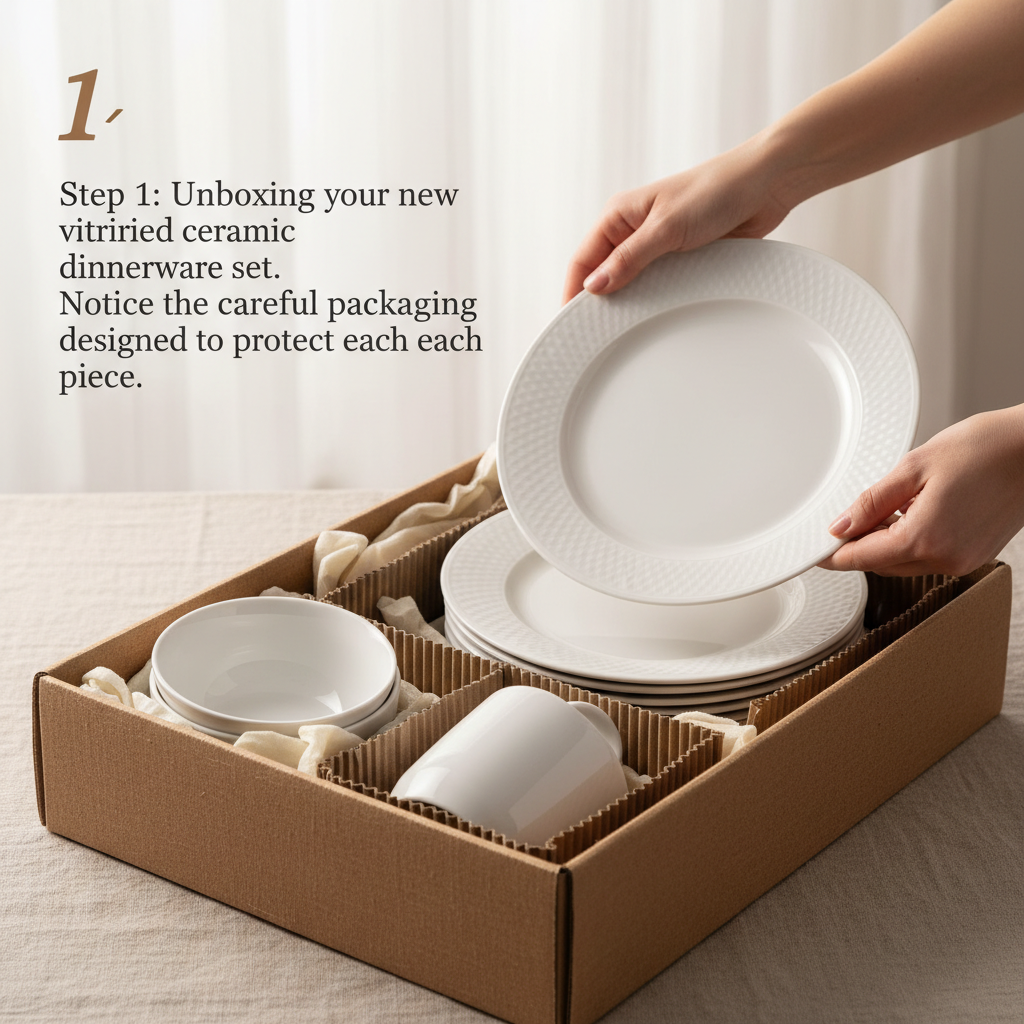
In the competitive world of hospitality and home dining, the choice of tableware can define the entire guest experience. vitrified ceramic dinnerware represents the pinnacle of material engineering, blending the aesthetic elegance of traditional porcelain with an industrial-grade resilience that resists chipping and cracking. Understanding the nuances of this material is essential for procurement managers and homeowners alike who seek a balance between luxury and longevity.
Globally, the shift toward sustainable and durable kitchenware has propelled vitrified ceramics into the spotlight. As the food service industry moves away from disposable options and fragile stoneware, the demand for non-porous, high-fired surfaces has surged. This transition is not merely about aesthetics; it is a strategic move toward reducing replacement costs and improving hygiene standards in high-traffic dining environments.
By delving into the technical properties and practical applications of vitrified ceramic dinnerware, we can uncover why it has become the gold standard for professional kitchens. From its ability to withstand extreme thermal shock to its resistance against chemical erosion from detergents, this material ensures that the visual appeal of a dinner set remains intact even after thousands of commercial wash cycles.
The Science and Definition of Vitrified Ceramics
Vitrification is the process of transforming a substance into a glass-like solid through the application of intense heat. When applied to vitrified ceramic dinnerware, this means the ceramic body is fired at temperatures so high that the silica within the clay melts and fills the pores between the particles. Once cooled, the resulting material is essentially non-porous, creating a dense, impermeable barrier that prevents liquids and bacteria from penetrating the surface.
Unlike standard earthenware or low-fire stoneware, which can absorb moisture and develop odors over time, vitrified ceramics are functionally waterproof. This chemical transformation ensures that the dinnerware is not only stronger but also significantly more hygienic, making it an indispensable asset for any establishment that adheres to strict ISO health and safety regulations.
Core Components of High-Performance Dinnerware
The superior performance of vitrified ceramic dinnerware depends on a precise blend of raw materials, primarily kaolin, feldspar, and quartz. Kaolin provides the plasticity needed for shaping the intricate designs of dinner sets, while feldspar acts as the fluxing agent that lowers the melting point of the silica, facilitating the vitrification process. This synergy allows for a product that is both lightweight and incredibly hard.
Another critical component is the glaze. A high-quality glaze is more than just a decorative layer; it is a fused glass coating that enhances the surface hardness and prevents metal marking—those unsightly grey streaks left by cutlery. In commercial settings, the interaction between the vitrified body and the glaze is what determines the overall lifespan of the plate or bowl.
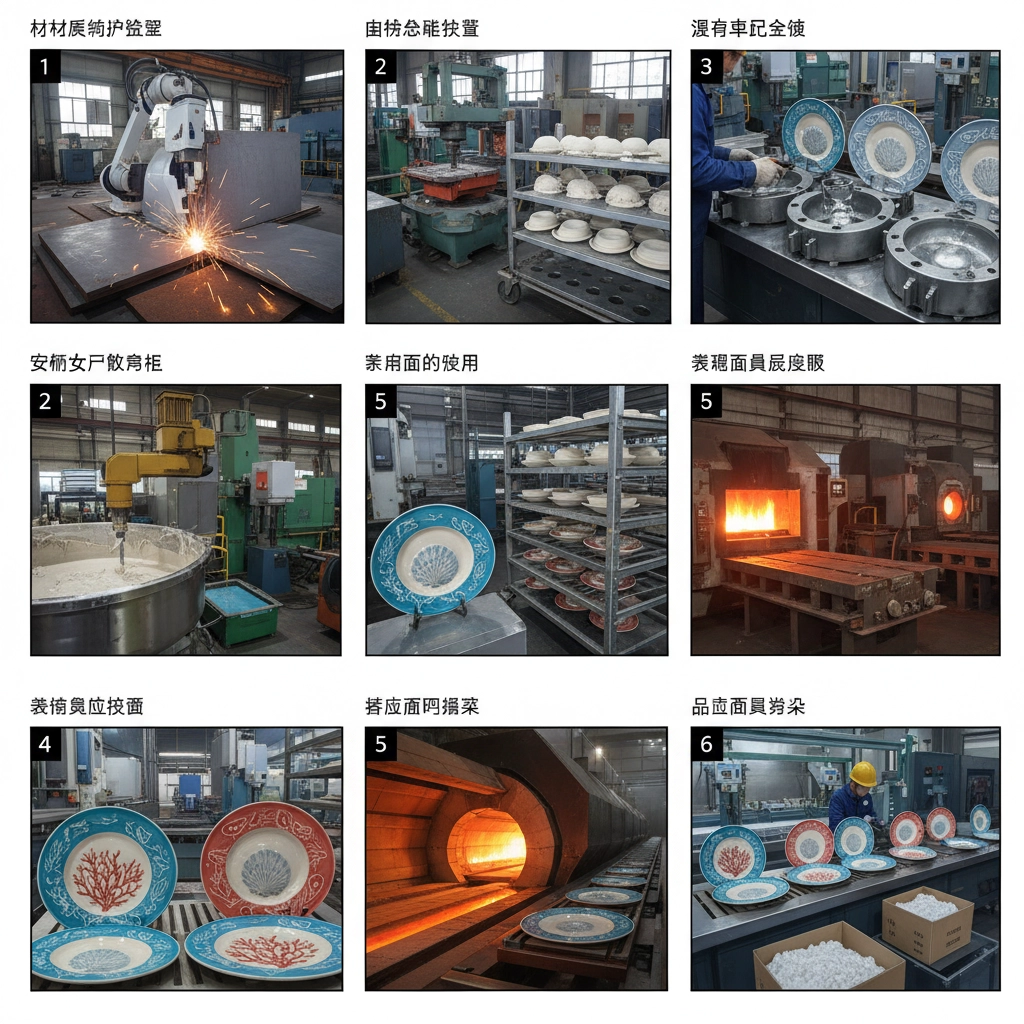
Scalability in production is also achieved through advanced kiln technology. Modern tunnel kilns allow for a controlled cooling process, which prevents internal stresses in the ceramic. This precision ensures that every piece of dinnerware maintains consistent dimensions and strength, regardless of whether it is a simple side plate or a complex embossed serving platter.
Durability and Hygiene Standards in Industry
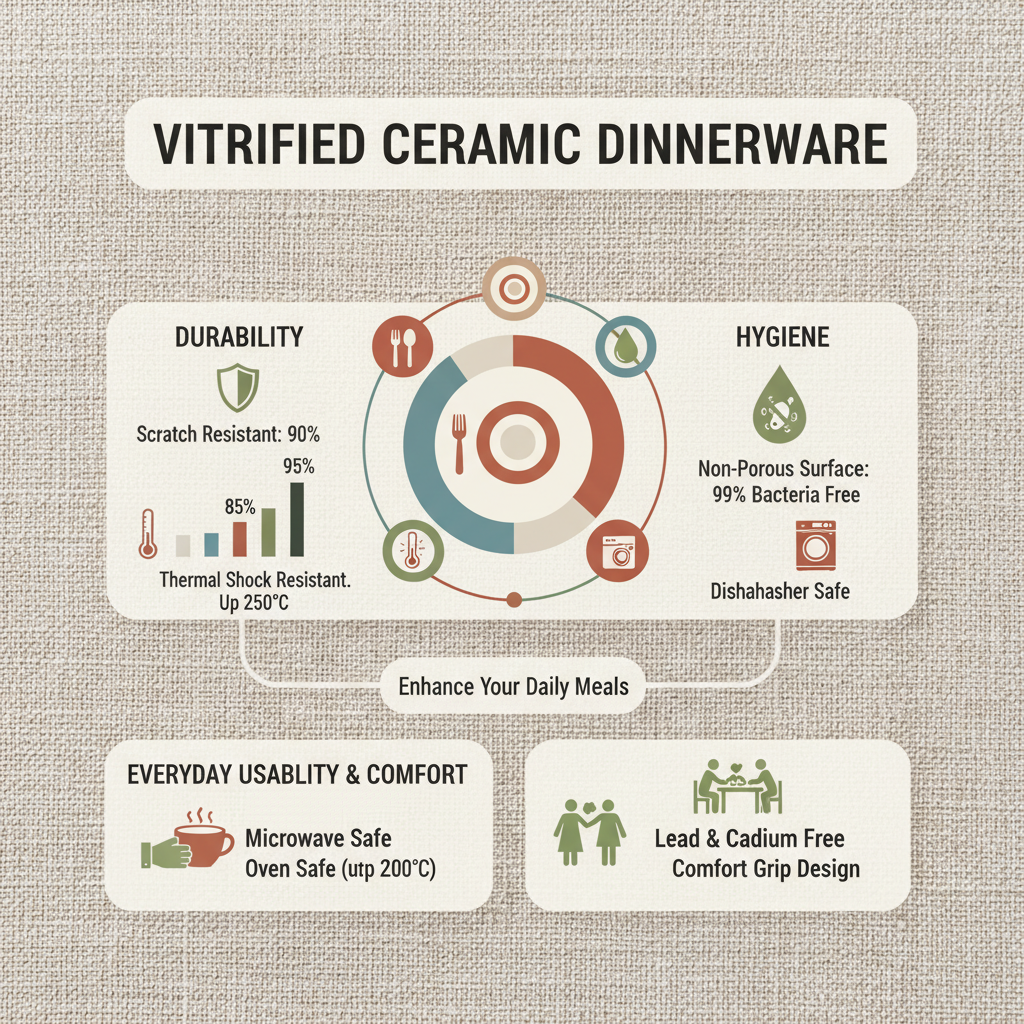
When evaluating the resilience of vitrified ceramic dinnerware, the most important metric is the absorption rate. For a product to be truly vitrified, the water absorption rate must be near zero. This characteristic ensures that the plates do not soak up fats, oils, or food particles, which is a common failure point in cheaper ceramic alternatives.
From a hygiene perspective, the non-porous nature of vitrified ceramic dinnerware is a game-changer. Because there are no open pores for microorganisms to hide in, these surfaces can be sterilized more effectively in high-temperature commercial dishwashers. This reduces the risk of cross-contamination in professional kitchens, aligning with global food safety standards.
Furthermore, the mechanical strength of these ceramics allows them to withstand "thermal shock"—the rapid change in temperature that occurs when a cold plate is placed under a hot heat lamp or when hot food is served on a room-temperature dish. This thermal stability prevents the microscopic fractures that eventually lead to catastrophic failure.
Comparative Analysis of Ceramic Material Performance
Selecting the right material requires a side-by-side comparison of how different ceramic types handle the rigors of daily use. While porcelain is known for its translucency and elegance, vitrified ceramics are specifically engineered for the "abuse" of the commercial environment. The focus here is on the trade-off between delicate aesthetics and rugged functionality.
To better understand the value proposition, we can analyze the performance ratings across several key metrics. Vitrified options typically outperform traditional stoneware in terms of chip resistance and porosity, though they may differ in raw material cost during the initial manufacturing phase.
Performance Ratings of Vitrified Ceramic Dinnerware Variants
Global Applications Across Hospitality Sectors
The versatility of vitrified ceramic dinnerware makes it the preferred choice for a wide array of global industries. In luxury hotels across Europe and North America, these sets are used to maintain a high-end visual standard while surviving the relentless cycle of industrial dishwashing. The ability to produce embossed and decorated patterns allows these establishments to reflect their unique brand identity without sacrificing durability.
Beyond luxury, we see significant adoption in high-volume catering and cruise lines. In these environments, where space is limited and the risk of breakage is high due to ship movement, the impact resistance of vitrified ceramics reduces waste and ensures passenger safety. Whether it is used in a bustling Tokyo bistro or a remote resort in the Maldives, the material provides a reliable foundation for food presentation.
Long-Term Economic and Environmental Value
From a financial perspective, the initial higher investment in vitrified ceramic dinnerware is quickly offset by the lower replacement rate. In a standard restaurant setting, the "cost per use" is significantly lower than that of porcelain or stoneware. This economic efficiency allows business owners to allocate budgets toward food quality and service rather than constantly replenishing broken plates.
Sustainability is another critical angle. The longevity of vitrified products means fewer items end up in landfills. Furthermore, because they are non-porous, they require fewer harsh chemical detergents for cleaning, reducing the environmental footprint of the facility's wastewater. This alignment with "green" business practices is increasingly important for modern consumers.
There is also an emotional value tied to reliability. For a chef, knowing that their plating will not be marred by a chipped edge or a sudden crack provides peace of mind. This trust in the equipment allows for more creative expression in food presentation, enhancing the overall dignity and professionalism of the dining experience.
Future Innovations in Vitrified Glass-Ceramics
The future of vitrified ceramic dinnerware lies in the integration of smart materials and additive manufacturing. Researchers are currently exploring "self-healing" glazes that can fill in microscopic scratches automatically, further extending the life of the product. Additionally, 3D printing of ceramic bodies is allowing for complex geometries that were previously impossible with traditional molds.
Digital transformation is also hitting the factory floor. Automated quality control systems using AI-driven vision sensors can now detect internal voids or imperfections in the vitrification process that the human eye would miss. This ensures a 100% consistency rate, virtually eliminating "weak spots" in the dinnerware.
Sustainability will drive the next wave of material science, with a focus on reducing the carbon emissions associated with high-temperature kilns. The move toward hydrogen-powered furnaces and recycled mineral fillers will make the production of vitrified ceramics as eco-friendly as the products themselves.
Comparative Analysis of Vitrified Ceramic Technical Specifications
| Material Variant |
Porosity Level |
Thermal Resistance |
Lifespan (Est. Years) |
| Premium Vitrified |
< 0.1% |
Excellent |
10-15 |
| Commercial Grade |
0.1% - 0.3% |
High |
7-10 |
| Standard Porcelain |
0.3% - 0.5% |
Moderate |
4-6 |
| Glazed Stoneware |
0.5% - 1.5% |
Moderate |
3-5 |
| Fine Bone China |
< 0.2% |
Low (Fragile) |
5-8 |
| Earthenware |
3% - 10% |
Low |
1-3 |
FAQS
The primary difference lies in the firing temperature and the resulting porosity. Vitrified ceramics are fired at much higher temperatures, causing the silica to melt and fill all internal pores. This makes the material non-porous and glass-like, whereas regular ceramics remain porous, making them more susceptible to chipping, staining, and bacterial growth.
Yes, it is specifically designed for these environments. Its high-density structure allows it to withstand the rapid heating of a microwave and the intense thermal and chemical stress of a commercial dishwasher without cracking or losing its glaze. Always check for metallic decorations, which can react in microwaves.
Absolutely. In fact, they are the industry standard for high-volume kitchens. Due to their extreme chip resistance and hygienic properties, they significantly reduce replacement costs and help establishments meet strict health codes, making them far more cost-effective than standard porcelain over time.
While it's hard to tell by sight, you can look for the "water absorption" specification in the technical data sheet. A vitrified product will have an absorption rate of nearly 0%. Additionally, they often feel denser and heavier relative to their size compared to earthenware, and they typically have a more resonant "ring" when lightly tapped.
Yes, significantly. While the production requires high energy, the longevity of vitrified ceramic dinnerware means you aren't replacing them every year. Unlike plastics, they don't leach chemicals into food and are made from natural minerals, reducing the long-term plastic waste in the hospitality industry.
On the contrary, they are the most stain-resistant option. Because the body is non-porous and the glaze is chemically fused to the surface, liquids and pigments cannot penetrate the material. This ensures that red sauces or strong dyes do not leave permanent marks on the plate.
Conclusion
In summary, vitrified ceramic dinnerware represents a perfect fusion of art and engineering. By eliminating porosity through high-temperature firing, this material provides an unmatched level of durability, hygiene, and economic value. From the reduction of replacement overheads to the guarantee of food safety, the advantages of choosing vitrified ceramics over traditional stoneware or porcelain are clear and quantifiable.
As the hospitality industry continues to evolve toward a more sustainable and efficient future, investing in high-performance tableware is no longer optional—it is a strategic necessity. We recommend that procurement officers and business owners prioritize vitrified materials to ensure long-term operational stability and guest satisfaction. To explore our full range of professional-grade solutions, visit our website: www.maixin-kitchenware.com.