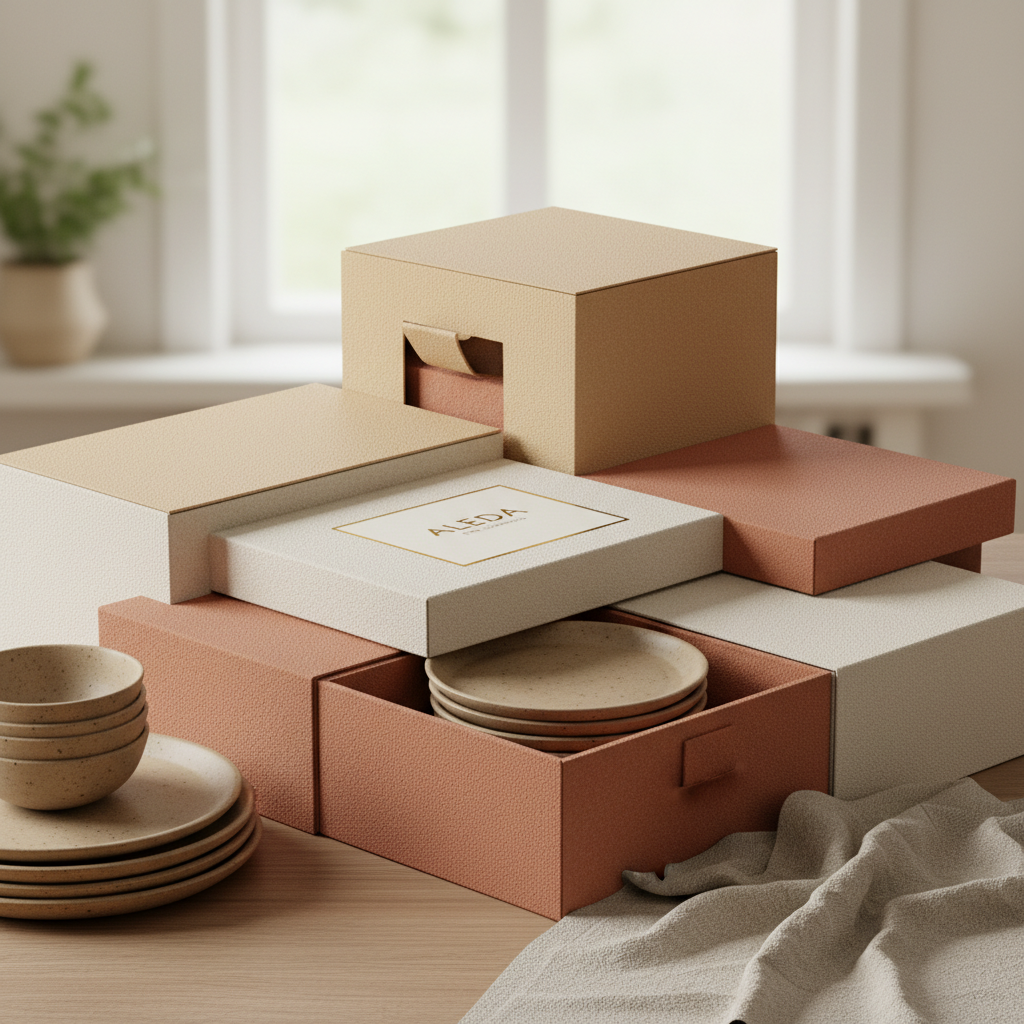
When it comes to elevating the dining experience, ceramica dinnerware stands as a timeless intersection of artistic expression and functional utility. From the minimalist lines of modern stoneware to the opulent details of embossed porcelain, these pieces do more than hold food; they curate the atmosphere of a home and reflect the cultural heritage of hospitality across the globe.
The global shift toward sustainable living and mindful consumption has reinvigorated the demand for high-quality ceramics. Unlike disposable alternatives, professional-grade dinnerware offers a longevity that reduces environmental waste while providing a sensory experience—the weight of the plate, the smoothness of the glaze—that plastic or melamine simply cannot replicate.
Understanding the nuances of materials, from high borosilicate glass accents to glazed ceramic bodies, allows consumers and wholesalers to make informed decisions. Whether for a high-traffic restaurant or a curated home collection, the right choice in tableware impacts everything from heat retention and food presentation to the overall durability of the investment.
Global Market Context of Ceramica Dinnerware
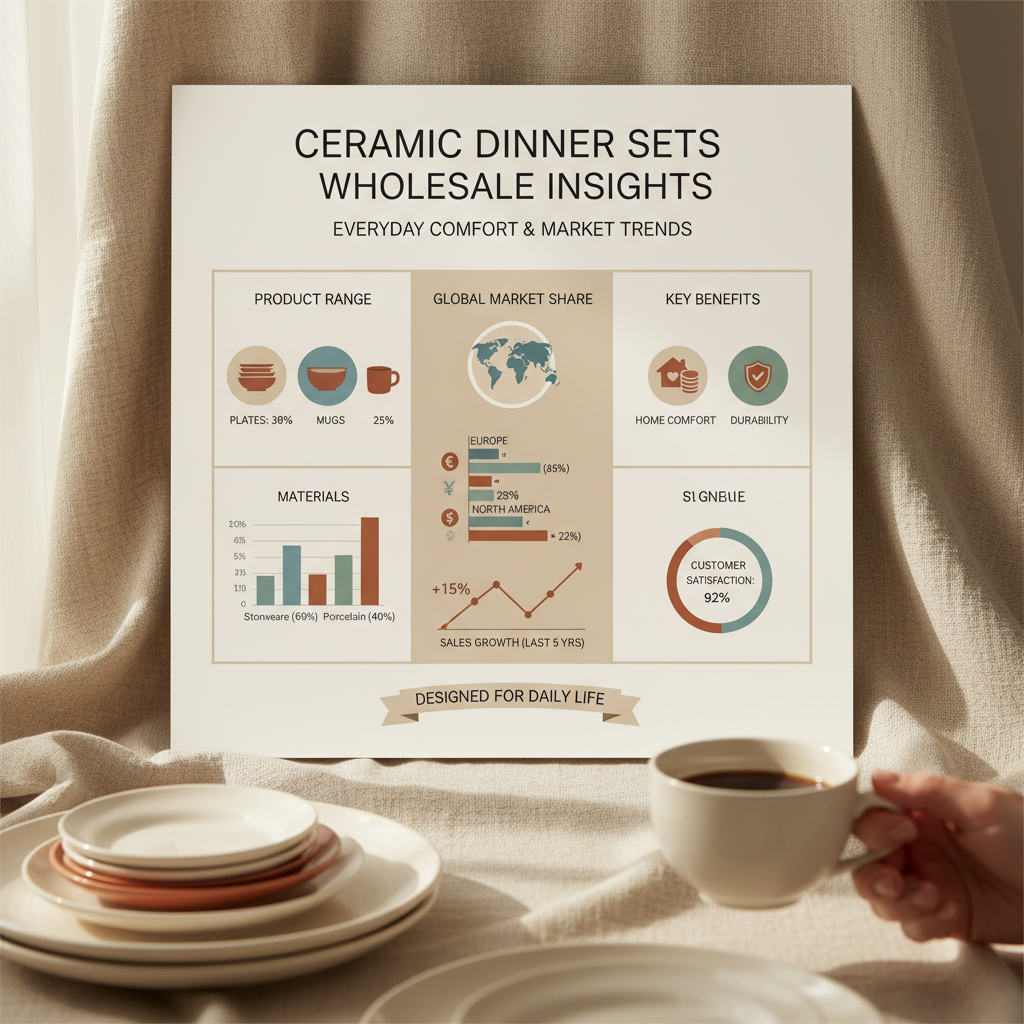
The global tableware market has witnessed a significant transformation, with ceramica dinnerware remaining a cornerstone of the industry. According to international trade data and ISO standards for ceramic products, there is an increasing trend toward "hybrid" sets that combine traditional glazed ceramics with high borosilicate glass. This shift is driven by a growing middle class in Asia and Latin America, where dining is viewed as a central social ritual.
However, the industry faces the challenge of balancing mass production with the demand for unique, artisanal aesthetics. The rise of "fast homeware" has led to a saturation of low-quality imports that lack thermal shock resistance and chip-resistance, creating a market gap for professional-grade, embossed, and decorated pieces that offer both beauty and industrial-strength longevity.
Defining the Essence of Ceramica Dinnerware
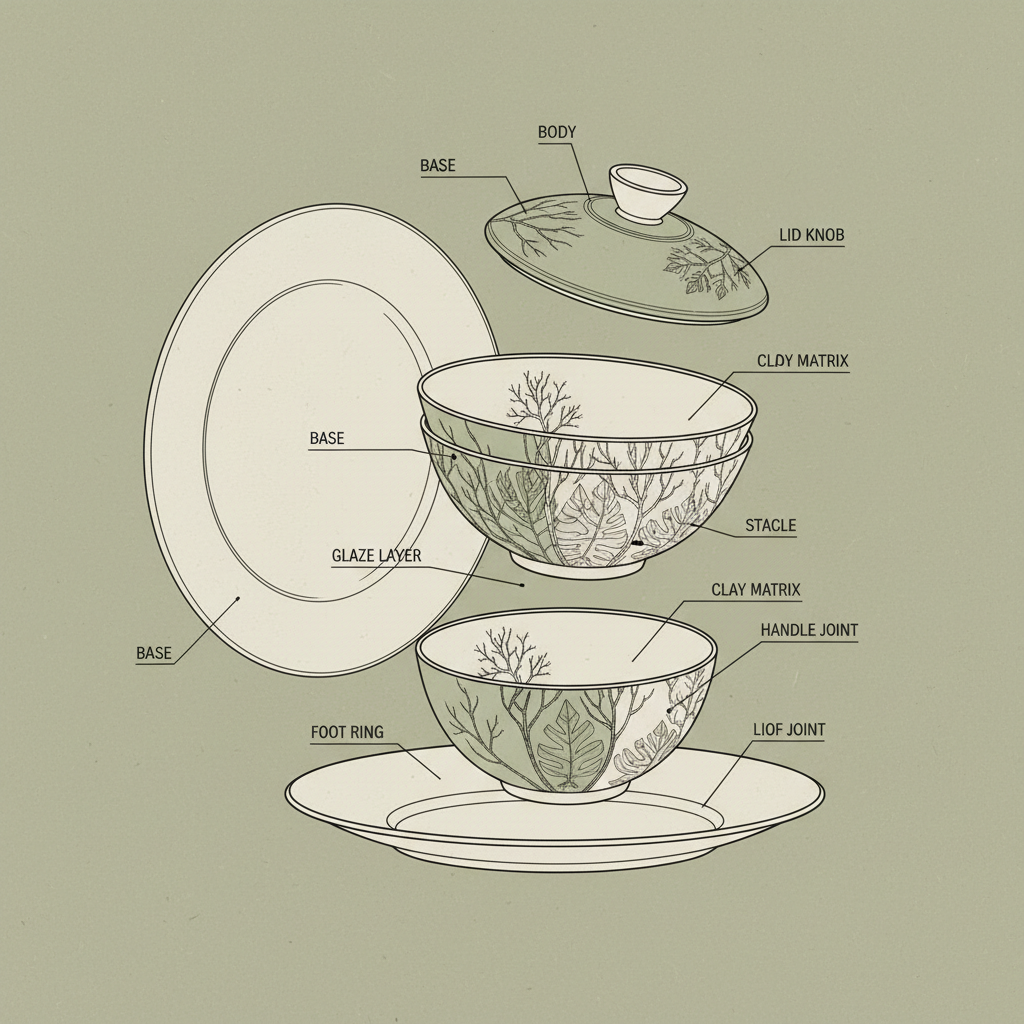
In simple terms, ceramica dinnerware refers to a broad category of eating and serving vessels made from inorganic, non-metallic materials shaped and then hardened by heat. This includes everything from earthy stoneware and refined porcelain to specialized glazed ceramics and high-transparency borosilicate glass complements like tea pots and storage jars.
Beyond the material, this industry is deeply connected to modern humanitarian and social needs. The ability to produce food-safe, non-toxic surfaces is paramount. In the context of modern health standards, the use of lead-free glazes and cadmium-free pigments ensures that the interaction between the food and the vessel remains chemically inert, safeguarding the health of millions of users daily.
Furthermore, the definition has expanded to include "functional art." Today, ceramica dinnerware is not just about utility but about psychological well-being. The tactile experience of embossed patterns and the visual harmony of a coordinated dinner set contribute to a slower, more mindful dining experience, combating the stresses of a fast-paced digital world.
Core Components of High-Quality Tableware
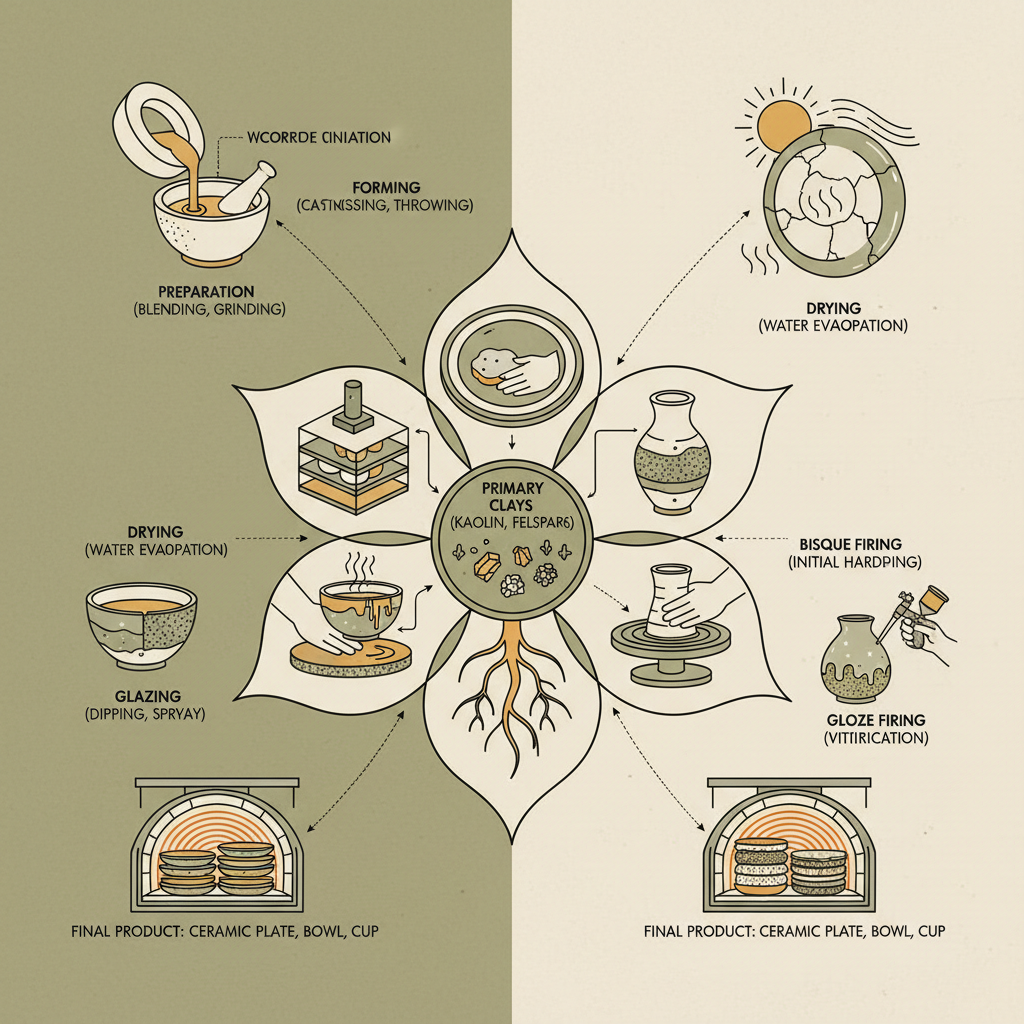
Durability is the primary benchmark for any professional ceramica dinnerware collection. This is achieved through precise kiln temperature control and the selection of raw clays. High-fired ceramics exhibit lower porosity, making them resistant to liquid absorption and bacterial growth, which is critical for both home kitchens and commercial hospitality environments.
Thermal stability is another key factor, particularly when integrating high borosilicate glass elements like glass pitchers or tea pots into a set. The ability of the material to withstand rapid temperature changes—from a cold fridge to a hot microwave—prevents cracking and ensures a longer lifecycle for the dinnerware, reducing the frequency of replacement.
Finally, the aesthetic versatility provided by decoration techniques, such as pad printing, glazing, and embossing, allows these products to scale across different market segments. Whether it is a minimalist matte finish for a boutique hotel or a richly decorated pattern for a luxury home, the versatility of the ceramic medium allows for endless customization.
Performance Metrics and Durability Analysis
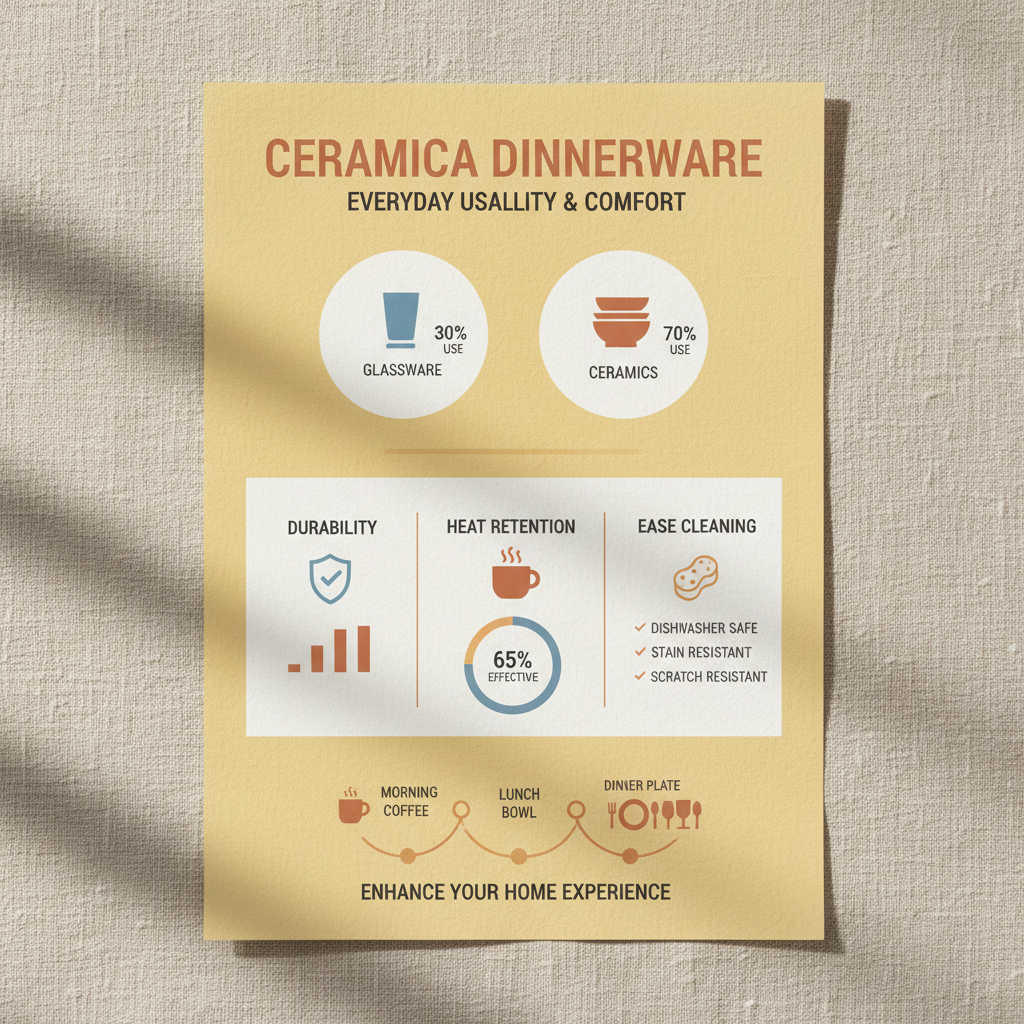
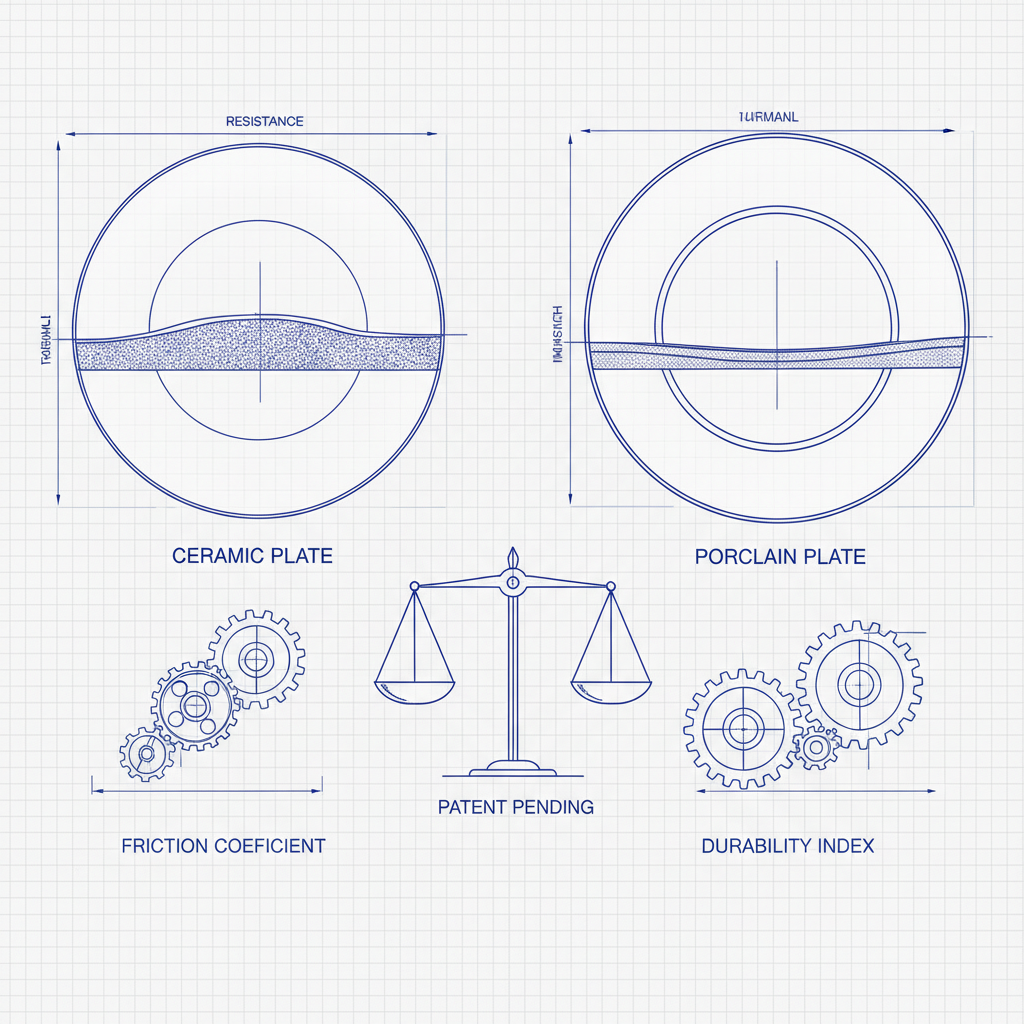
To evaluate the quality of ceramica dinnerware, industry experts look at several key performance indicators (KPIs). These include the "chip-resistance" score, the glaze hardness (measured via the Mohs scale), and the thermal expansion coefficient. A superior product maintains its structural integrity even after thousands of dishwasher cycles and rigorous handling.
When comparing different manufacturing methods, it becomes clear that the balance between weight and strength is the ultimate goal. High-density ceramics provide a premium feel and better heat retention, while specialized glass components offer the clarity and lightweight nature required for storage and serving.
Comparative Performance Ratings of Dinnerware Materials
Global Applications and Diversified Use Cases
The application of ceramica dinnerware extends far beyond the domestic dining table. In the high-end hospitality sector across Europe and North America, embossed and decorated sets are used to create a "signature" brand identity for luxury hotels, where the plate serves as a canvas for gastronomic art.
In emerging markets, we see a rise in "modular" kitchenware sets that include high borosilicate glass storage jars and oil pots alongside ceramic plates. This integrated approach allows users in urban apartments to transition seamlessly from food storage to preparation and serving, maximizing space and efficiency.
Long-Term Value and Sustainable Advantages
Investing in premium ceramica dinnerware provides a logical economic advantage over time. While the initial cost may be higher than plastic or low-grade earthenware, the lifespan of high-fired, glazed ceramics is measured in decades, not years. This durability drastically reduces the "cost per use" and minimizes the environmental footprint associated with landfill waste.
From an emotional perspective, there is a profound sense of dignity and stability associated with ceramic tableware. In many cultures, passing down a set of high-quality dinnerware is a tradition that signifies familial continuity and heritage. The reliability of a piece that does not warp under heat or stain over time builds a deep trust between the manufacturer and the end-user.
Furthermore, the move toward eco-friendly glazing processes—reducing the use of heavy metals and optimizing kiln energy consumption—means that modern ceramics are becoming as sustainable in their production as they are in their utility.
Future Innovations in Ceramic Manufacturing
The future of ceramica dinnerware is being shaped by the digital transformation of the manufacturing floor. 3D printing of ceramic molds is allowing for complex, organic shapes that were previously impossible to achieve with traditional casting. This enables a new era of "generative design," where plates and bowls can be mathematically optimized for weight and strength.
Automation in the glazing and pad-printing processes is also reducing human error, ensuring that every piece in a 100-piece set is identical in color and finish. Moreover, the integration of "smart" materials—such as ceramics with enhanced thermal retention properties—is beginning to appear in professional catering equipment.
As the world moves toward a circular economy, we expect to see a rise in "recycled ceramic" composites, where waste from the manufacturing process is repurposed into new, high-strength dinnerware, closing the loop on industrial waste.
Comparative Analysis of Ceramic Production Technologies
| Technology Type |
Durability Score |
Production Speed |
Eco-Impact |
| Traditional Wheel-Thrown |
7/10 |
Low |
Very Low |
| Industrial Press-Molding |
9/10 |
High |
Medium |
| 3D Ceramic Printing |
8/10 |
Medium |
Low |
| Automated Glazing Line |
10/10 |
Very High |
Medium |
| Hand-Embossed Artisanal |
7/10 |
Very Low |
Very Low |
| Hybrid Glass-Ceramic |
9/10 |
Medium |
Low |
FAQS
Stoneware is typically thicker, more opaque, and has a rustic feel, making it ideal for casual, everyday use. Porcelain is fired at higher temperatures, resulting in a more vitrified, translucent, and delicate appearance. While stoneware is praised for its hearty durability, porcelain is often preferred for formal settings due to its refined finish and strength-to-weight ratio.
Not if they are glazed correctly. High-quality embossed ceramica dinnerware features a smooth, non-porous glaze that covers the recessed areas of the design. This prevents food particles from trapping and allows the pieces to be dishwasher-safe. We recommend using a soft sponge to avoid abrasive damage to the glaze over many years of use.
Yes, borosilicate glass contains boron trioxide, which significantly lowers its coefficient of thermal expansion. This means it is far less likely to crack when exposed to sudden temperature changes (thermal shock), such as pouring boiling water into a glass pitcher. This makes it the gold standard for tea pots and storage jars within a premium set.
The most reliable way is to check for certifications like FDA, LFGB, or ISO compliance from the manufacturer. Reputable suppliers provide Material Safety Data Sheets (MSDS) confirming that their glazes and pigments are lead-free and cadmium-free. Avoid unbranded, low-cost ceramics with overly bright, "bleeding" colors, as these may contain unstable pigments.
Most modern glazed ceramics are microwave-safe. However, you must be cautious with "decorated" pieces that use metallic luster or gold/silver rims, as these metals can cause arcing (sparking) in a microwave. Always check the "Microwave Safe" label on the bottom of the piece before heating.
Prevention starts with selecting "reinforced" or "industrial-grade" ceramics. Avoid stacking plates too high without protective dividers, and ensure that the surfaces they are placed on are not abrasive. Using professional-grade ceramica dinnerware with reinforced rims can significantly reduce the rate of chipping in high-traffic restaurants.
Conclusion
In summary, ceramica dinnerware is much more than a household utility; it is a sophisticated blend of material science, industrial engineering, and artistic design. By prioritizing factors like thermal stability, lead-free glazing, and chip-resistance, manufacturers can provide products that offer immense long-term value, sustainability, and an elevated dining experience for users worldwide.
As we look toward the future, the integration of 3D printing and eco-friendly manufacturing will only enhance the accessibility and beauty of these essential items. Whether you are a business owner looking to brand your dining space or a homeowner seeking timeless quality, investing in high-standard ceramic and glass tableware is a commitment to both style and substance. For premium solutions, visit our website: www.maixin-kitchenware.com